
Serving The Triangle Area Since 1990!
Little River Wildlife Removal
Are you in need of Little River wildlife removal? Triangle Wildlife Removal & Pest Control, Inc. has handled Little River’s nuisance animal removal needs since 1990. Owned and operated by Tad Bassett, who holds a B.S. in Fisheries and Wildlife Management from NC State University and a NC Wildlife Control Agent Permit #DCA25000312. Our team includes licensed wildlife control operators, a staff zoologist, and field operators with decades of experience in the Triangle area of North Carolina. We maintain a 4.7+ rating across 400+ Google reviews, a 4.9 star Angi rating, 150+ Nextdoor Favs and a BBB A+ rating with zero complaints.
Every animal proofing and wildlife exclusion job comes with a limited lifetime warranty on workmanship and materials. If animals return to a sealed entry point, we come back to fix it.
Triangle Wildlife Removal & Pest Control, Inc.
1913 Lost Cove Ln, Raleigh, NC 27603
Phone: (919) 661-0722
Hours: Monday - Sunday, 7:00 AM - 5:00 PM | 24/7 Emergency Service
NC WCA Permit #DCA25000312 | NC Pest Control License #1778 PW

Schedule An Inspection!
Click To Contact
FREE INSPECTIONS FOR FLYING SQUIRRELS AND BATS
Our Little River Wildlife Control Services
Little River is a rural community spanning northern Durham County and Orange County, situated within the Little River reservoir watershed. Scattered residential properties along winding rural roads are surrounded by heavily forested land with extensive hardwood and pine habitat. That surrounding forest provides year-round cover for bats, raccoons, squirrels and snakes, all of which readily move into nearby homes when opportunity presents itself.
If you have been hearing scratching sounds in your attic, rumbling and tussling at night or have noticed exterior damage to your soffits or roof, you may have nuisance wildlife in your attic. In Little River, North Carolina homes across the area experience animals in the attic ranging from bats and birds, to rats and squirrels and animals as large and powerful as raccoons. Animals in the attic can present problems such as the introduction of parasites and disease into your home, along with the obvious threat of physical damage to your home’s exterior like shingles, fascia, vents and soffits to the interior of your home such as crushing attic insulation, damaging drywall with urine and feces and numerous other interior damage. We safely and humanely get rid of animals in the attic, provide full services for clean up, damage repair and wildlife exclusion.
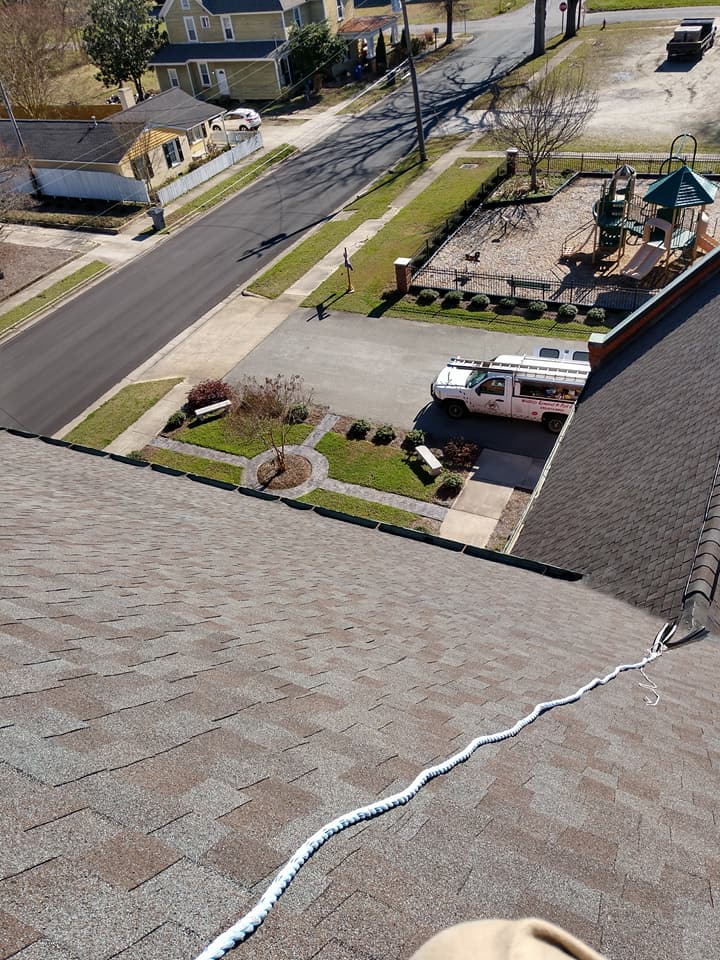
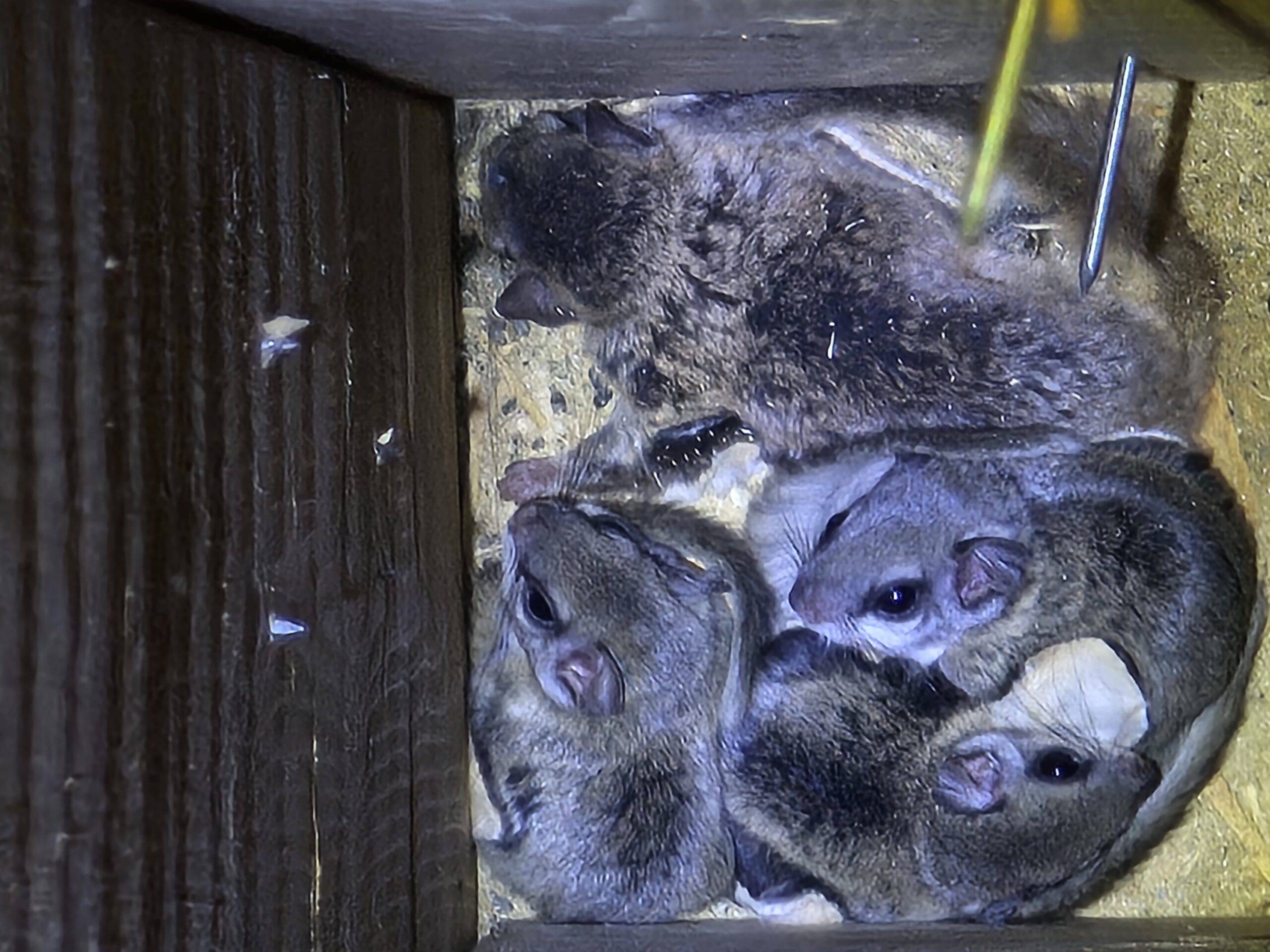
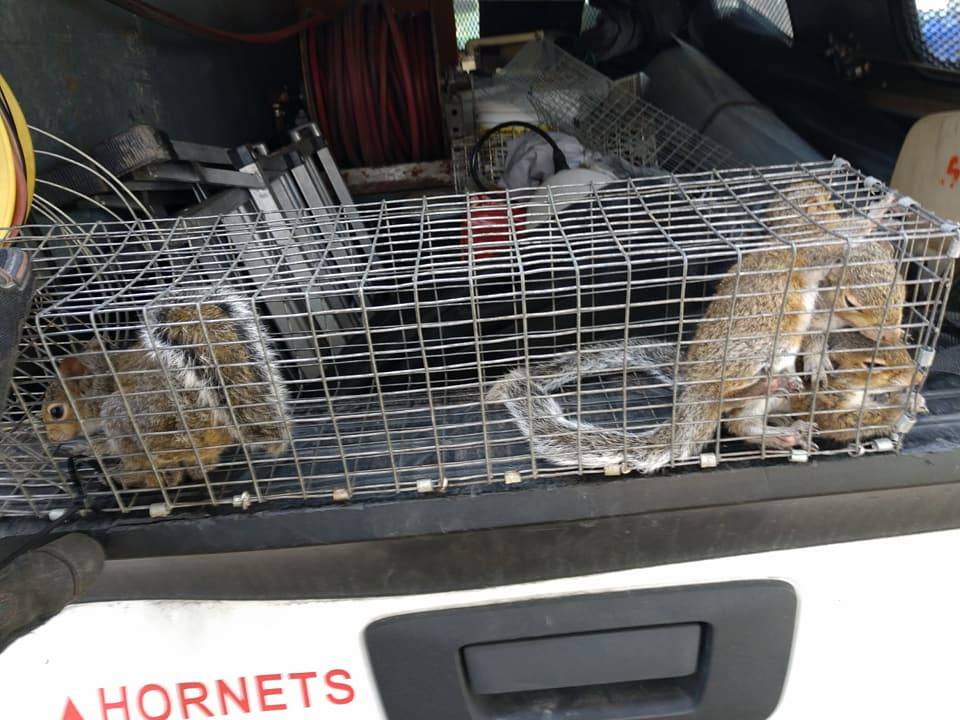
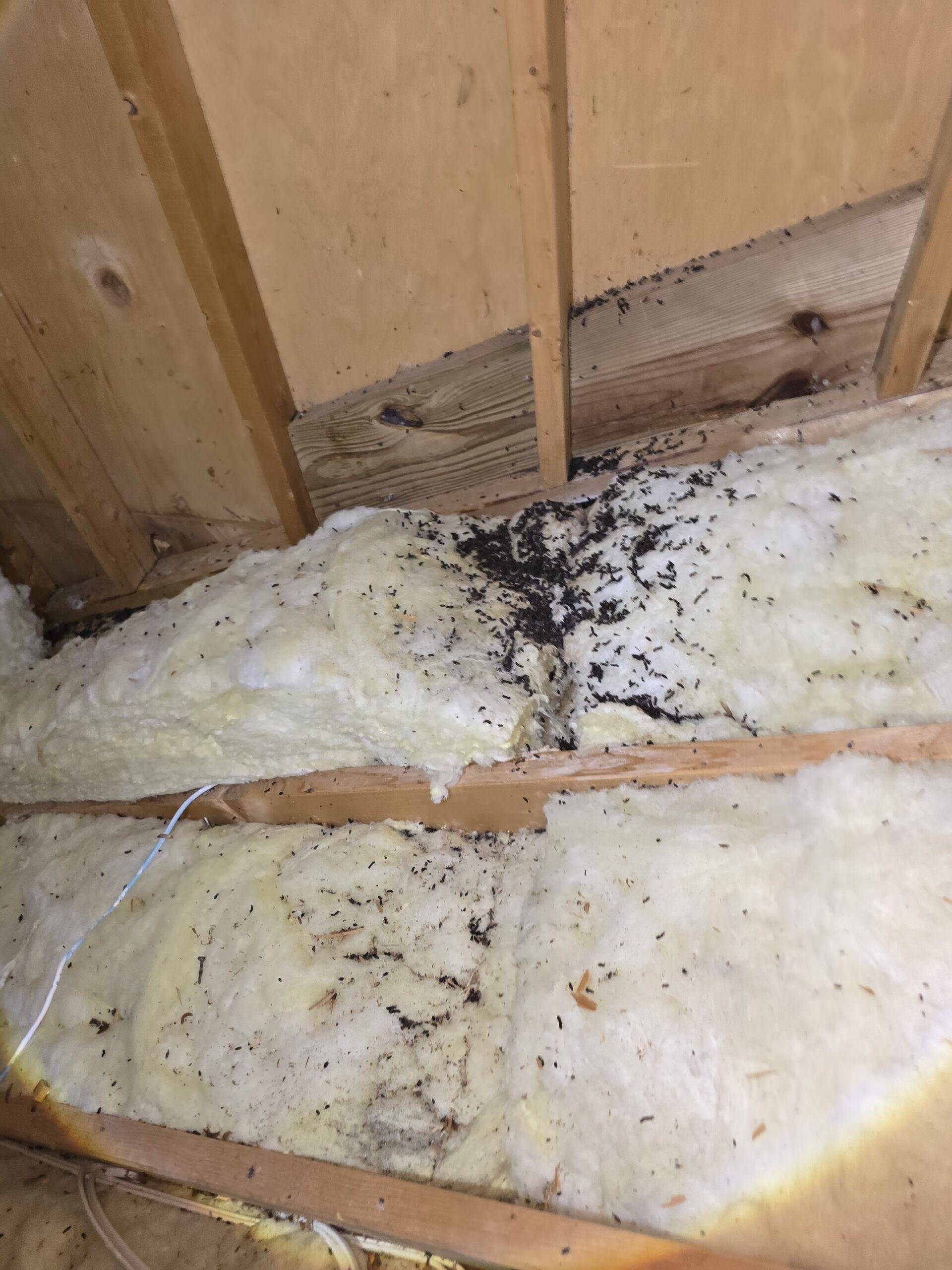
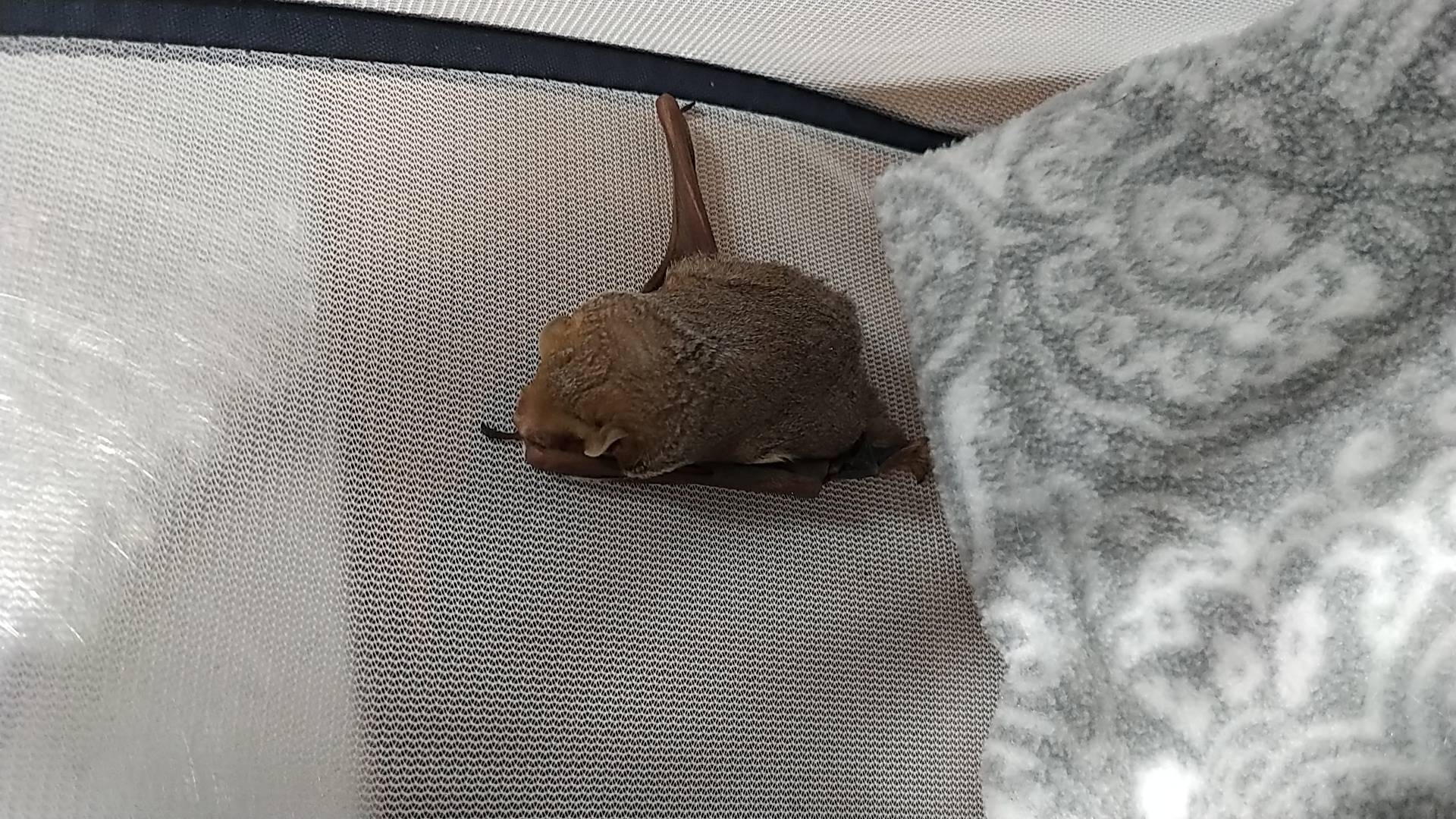
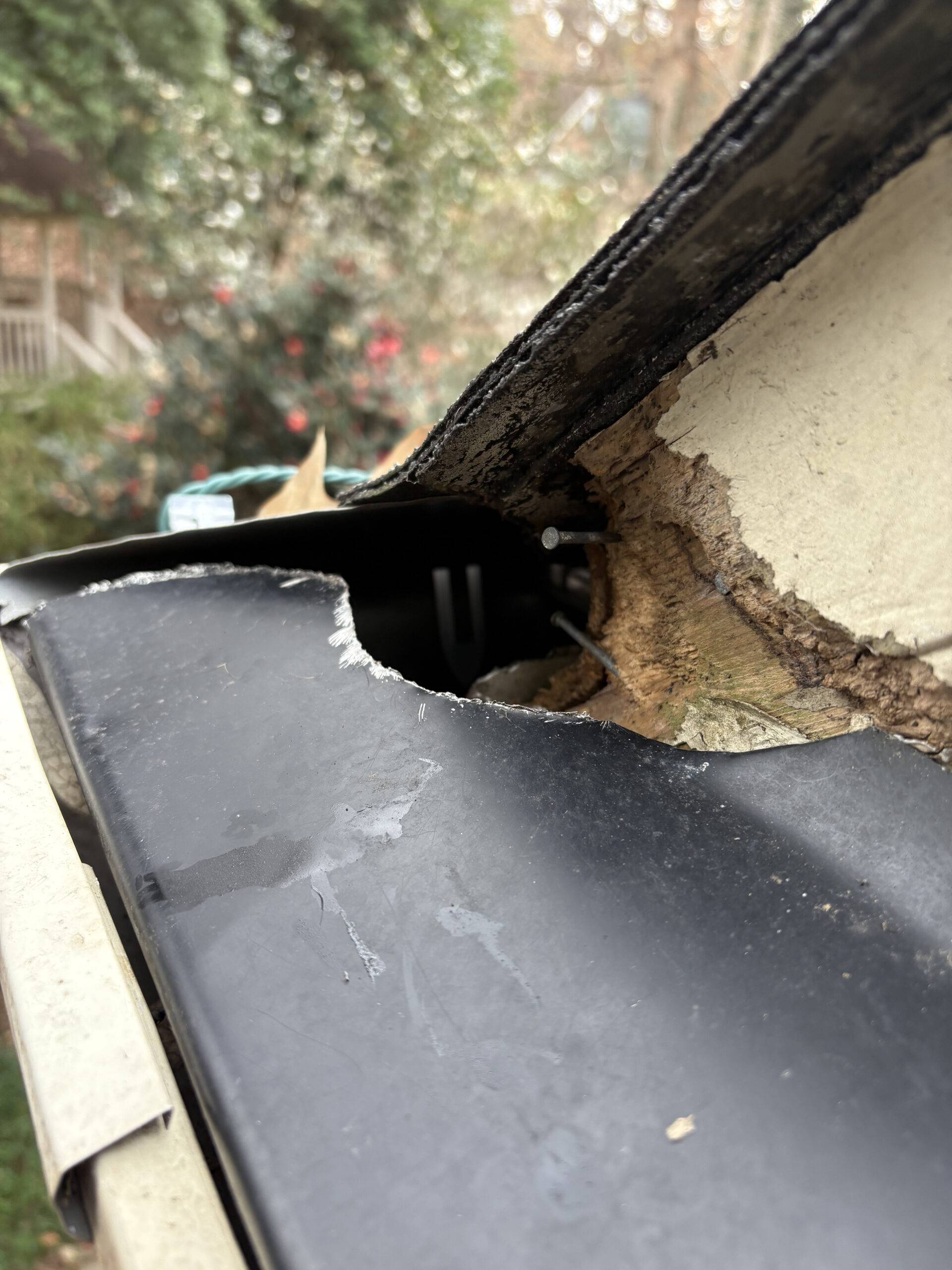
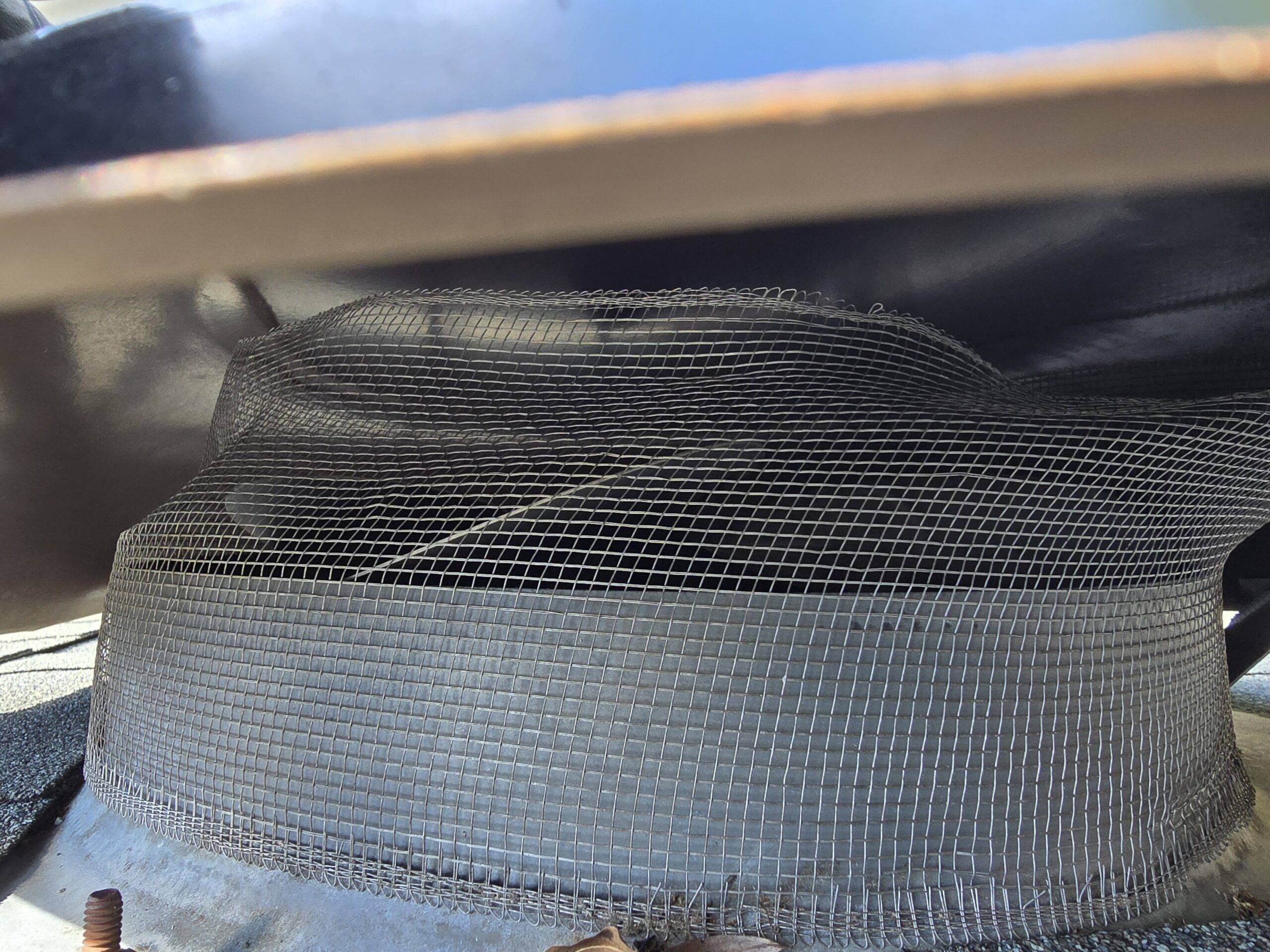
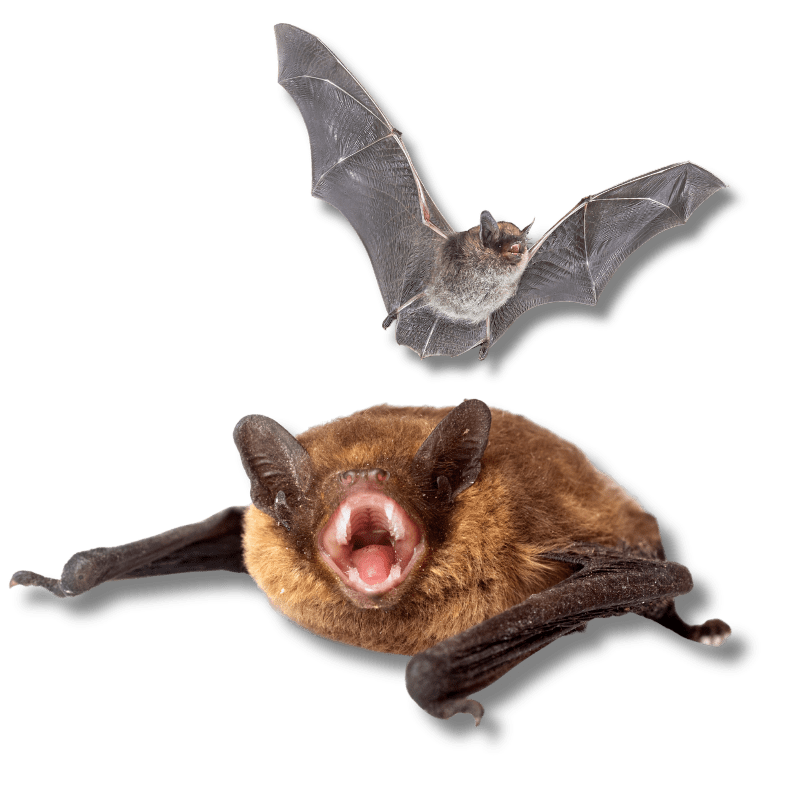
Little River Bat Removal Services
Bats target attics because they provide dark, warm roosts that mimic natural cave conditions. They enter through gaps in mortar, around vents, and where soffit panels meet fascia boards.
A single colony can deposit inches of guano on attic insulation, creating ammonia odors and health hazards. Little River bat removal uses bat exclusion devices that let them leave at dusk without re-entering.
- Entry points: soffit gaps, ridge vent openings, chimney flashing, and cracks in brick mortar
- Damage: guano saturates insulation and creates persistent ammonia odors in living spaces
- Health risk: disturbing bat droppings releases histoplasmosis spores that cause lung infections
- Removal method: exclusion devices installed at primary entry points during legal removal windows
- Prevention: all gaps sealed with metal flashing and rigid barriers after the colony departs
Bat guano left in attics creates long-term health hazards that worsen with every season the colony remains – the CDC histoplasmosis prevention outlines the respiratory risks homeowners face during cleanup.
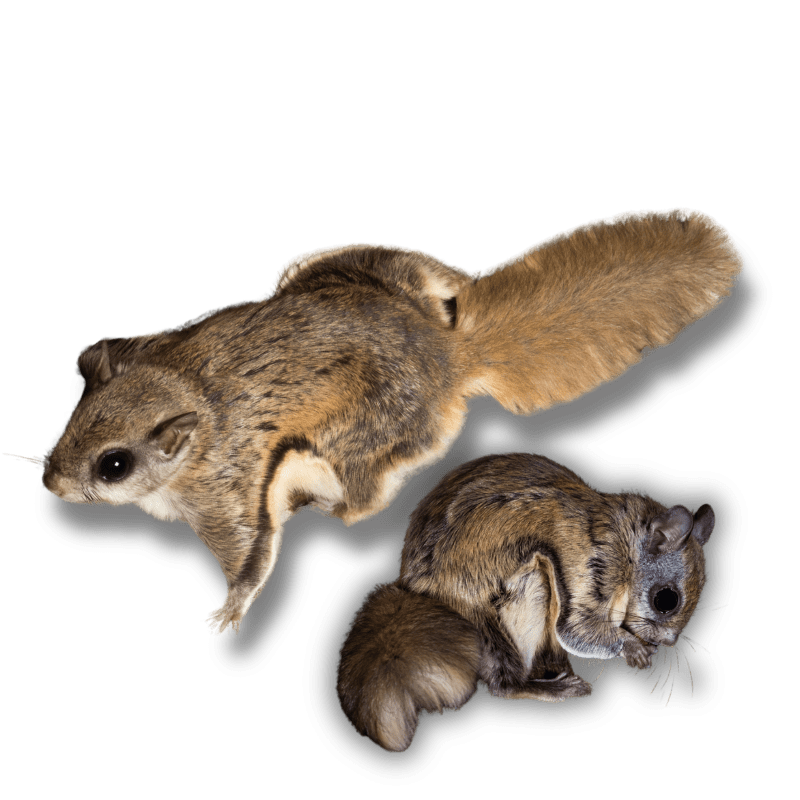
Flying Squirrel Removal in Little River
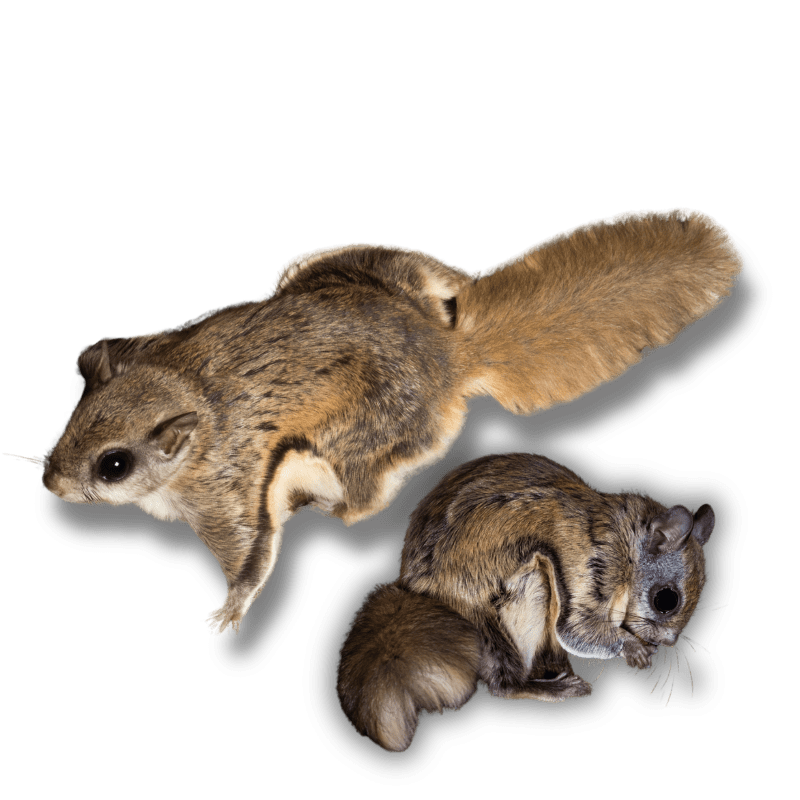
Flying squirrels don’t actually fly – they glide from tall trees using skin flaps between their legs, covering distances over 150 feet. They target attics for warmth and nest communally, meaning one entry point can lead to a colony of 15 or more.
Little River flying squirrel removal requires finding every entry point because these critters squeeze through gaps barely half an inch wide.
- Entry points: roof vents, gable openings, and gaps where utilities enter your home
- Damage: gnawed wood, shredded insulation, and urine contamination throughout nesting areas
- Colony behavior: these animals den together, so infestations grow quickly once established
- Removal: humane eviction techniques and one-way doors clear nesting areas safely
- Exclusion: permanent sealing of all potential entry points protects your home long-term
Flying squirrels can glide over 150 feet from a tall tree to your roof – the National Park Service flying squirrel species profile covers the communal denning behavior that makes attic colonies grow fast.
Little River, NC Squirrel Removal
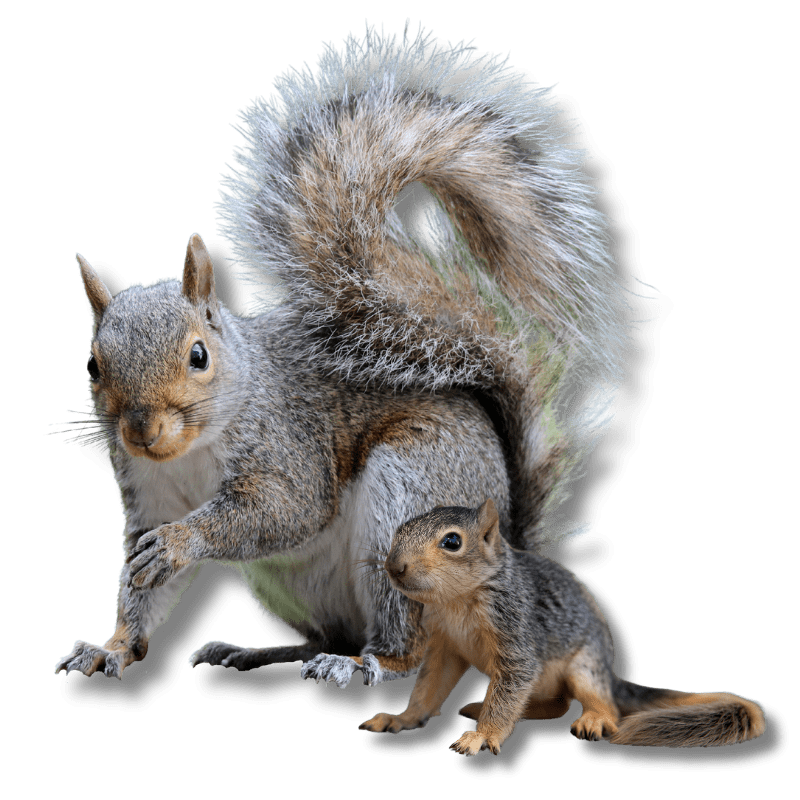
Gray squirrels are persistent and resourceful. If they find a weak spot in your fascia or soffit, they’ll gnaw it open in hours. Once inside your attic, they shred insulation for nesting and chew wiring down to bare copper.
Professional Little River squirrel removal addresses both the animals and the damage they leave behind.
- Entry points: chewing enlarges small gaps in roof lines, fascia, and soffit overhangs into access routes
- Damage: attic insulation, electrical wiring, and wooden structural members all suffer from gnawing
- Health risk: squirrel droppings contaminate attic spaces and create unpleasant odors
- Trapping: we humanely trap squirrels and relocate them away from residential areas
- Exclusion: steel flashing and hardware cloth permanently block access while maintaining ventilation
Squirrels breed twice yearly, meaning a single pair becomes a recurring pest problem quickly – the NC State Extension guide to eastern gray squirrels explains the persistent chewing behavior that makes these rodents so destructive.
Raccoon Removal in Little River, NC
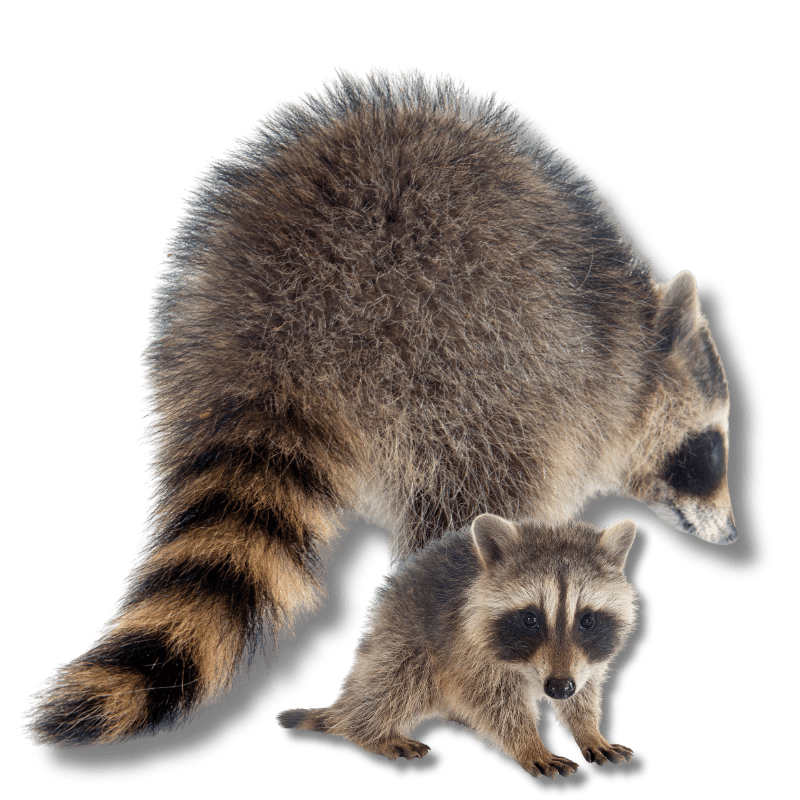
Raccoons target homes offering shelter combined with nearby food sources. They climb onto roofs using downspouts and overhanging branches, then tear through weak spots in fascia and soffits.
Little River raccoon removal is necessary once a family establishes itself, because they contaminate insulation with feces and create genuine health hazards.
- Entry points: soffits, ridge vents, chimney gaps, gable vents, and damaged fascia boards
- Damage: shredded insulation, crushed ductwork, and widened structural openings
- Health risk: Baylisascaris roundworm in raccoon feces poses serious neurological risks to humans
- Removal: one-way doors and cage traps deployed by trained wildlife control operators
- Exclusion: heavy-duty barriers at all access points, backed by our workmanship guarantee
Raccoon waste in attics creates serious health hazards that require professional remediation – the CDC on how Baylisascaris spreads outlines the risks homeowners face during cleanup.
Little River Rodent Removal Services
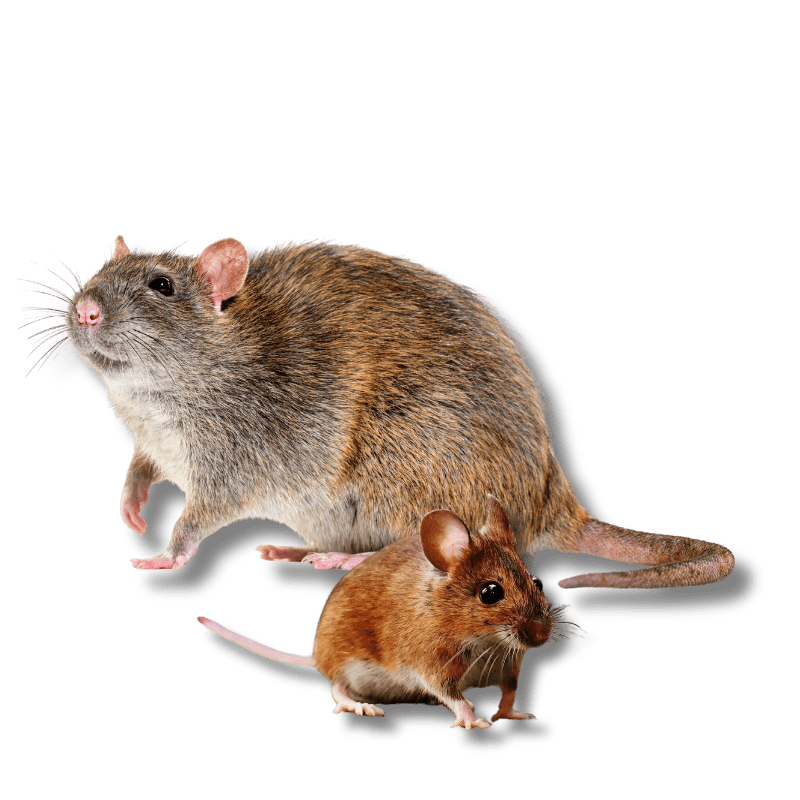
Rats and mice are the most persistent pests we deal with in Little River. They need only a dime-sized opening to enter your home, and once inside they breed rapidly.
Rodent droppings contaminate insulation and food storage areas. Gnawed wiring creates fire hazards inside walls where you can’t see the damage.
- Entry points: foundation cracks, pipe gaps, damaged weatherstripping, and uncapped utility penetrations
- Contamination: rodent droppings and urine spread disease throughout attic and wall cavities
- Structural damage: rats chew through wiring, insulation, and wood framing inside walls
- Removal: traps placed at active runways and entry points, monitored by trained technicians
- Prevention: complete exclusion sealing of all gaps larger than a quarter inch
Rodent infestations grow exponentially because females produce litters every few weeks – the EPA guide to identifying and preventing rodent infestations explains the integrated approach we use to eliminate infestations.
Snake Removal in Little River
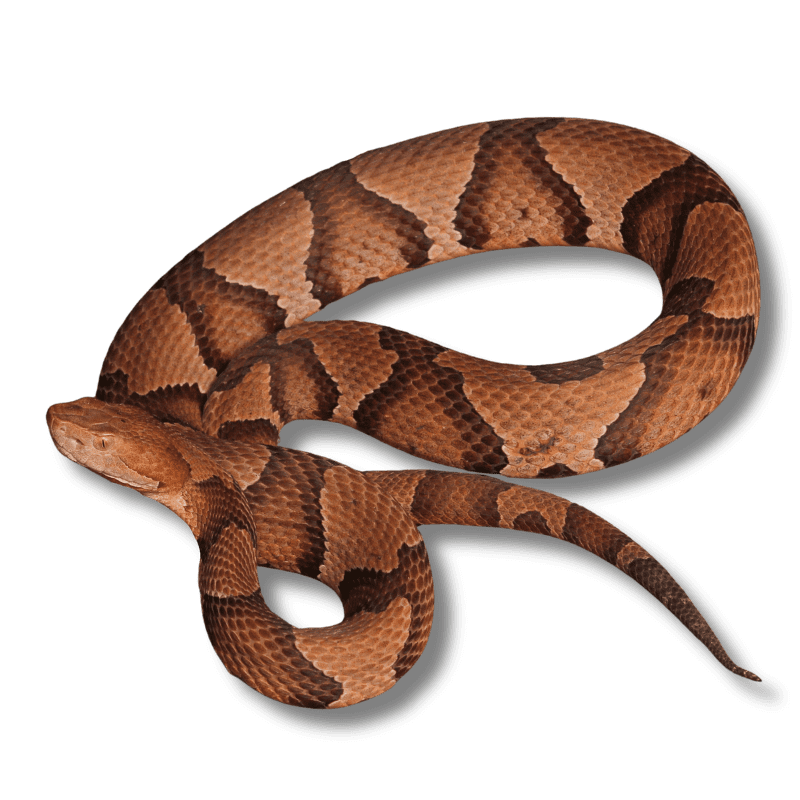
Snakes are attracted to homes that have active rodent populations. They enter through foundation cracks, gaps around utility pipes, and openings under doors in Little River properties.
Removal requires careful identification because North Carolina is home to both venomous and non-venomous species that look similar to untrained eyes.
- Entry points: foundation cracks, basement window wells, gaps around utility penetrations, and damaged vents
- Why they’re inside: snakes follow rodent populations into homes seeking prey
- Identification: proper species ID determines the correct handling and relocation approach
- Removal: technicians safely capture and relocate snakes to natural habitat away from homes
- Prevention: sealing foundation cracks and eliminating rodent populations stops snake entry
Snake encounters increase in spring and fall when these reptiles move between summer and winter habitat – the Herps of NC snake species database provides identification information for species found in our region.
Wildlife Exclusion and Damage Repair
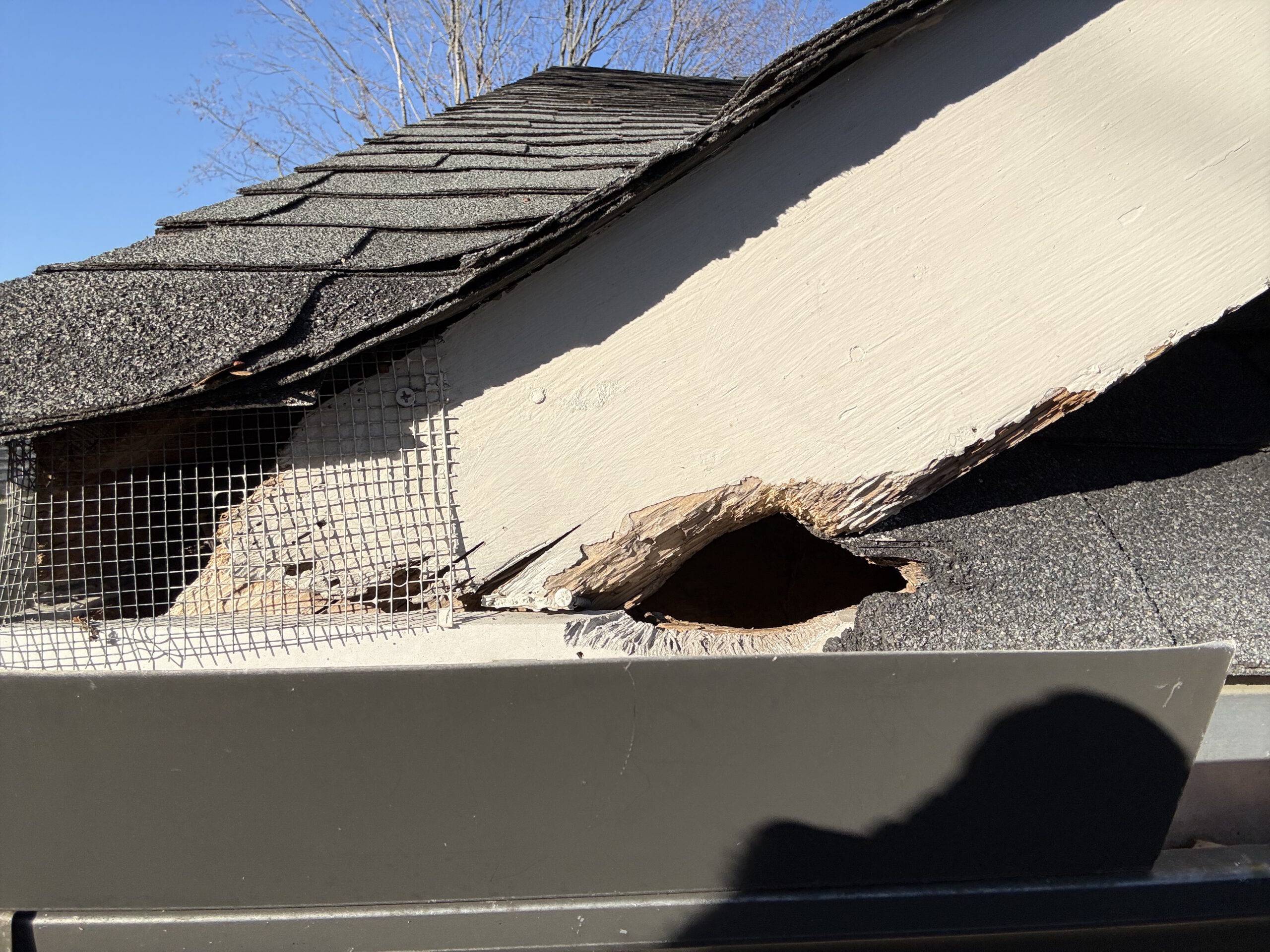
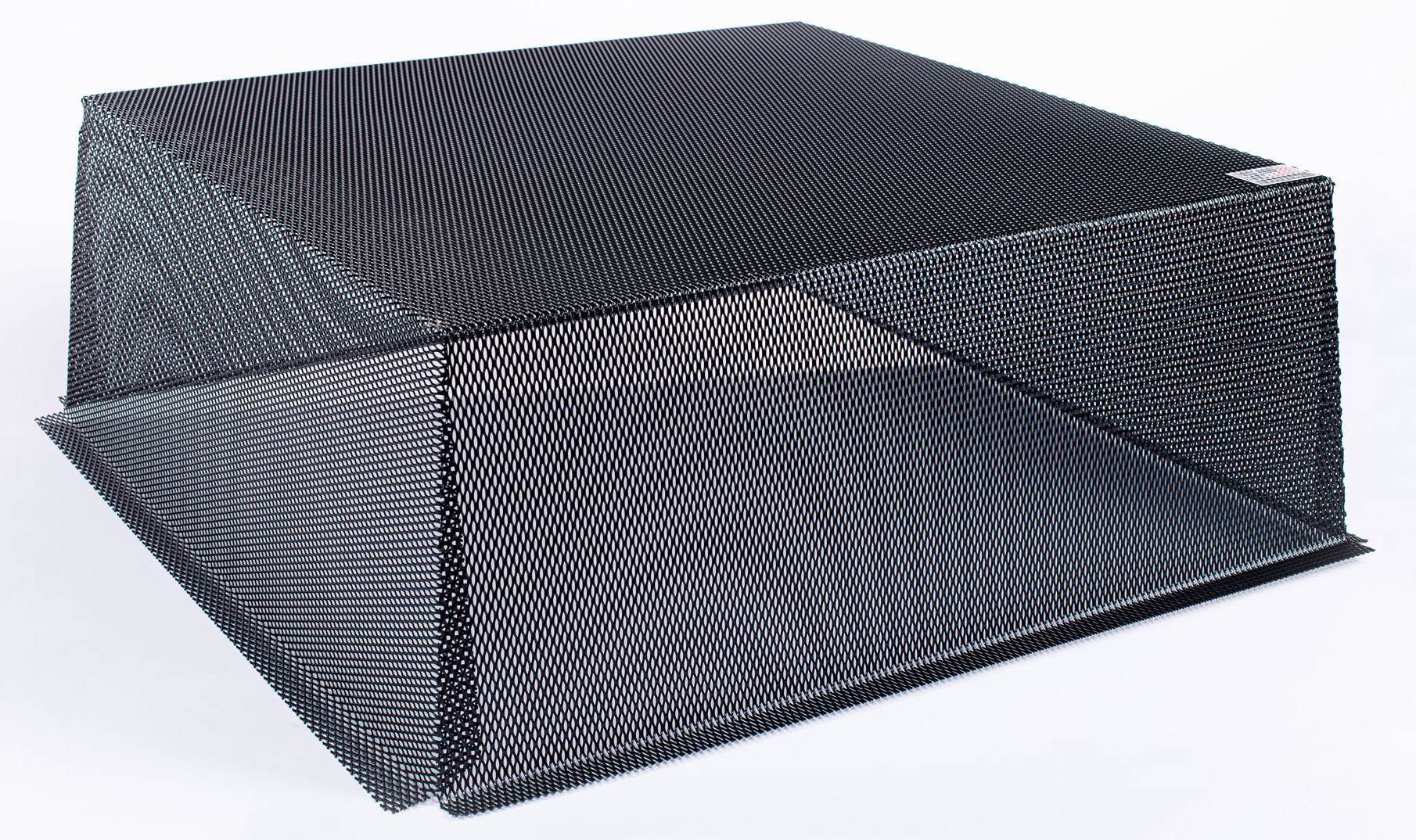
Wildlife exclusion is the most important step in solving an animal problem permanently. Our licensed and insured technicians inspect every inch of your roofline, foundation, and vents to find gaps that critters exploit.
We install chimney caps, ridge guard systems, and vent screening built to withstand chewing, clawing, and weather exposure. Foundation gaps get sealed with steel mesh and concrete patches that last for years.
- Roof work: ridge guard installation, chimney caps, gable vent screening, and fascia board replacement
- Foundation: steel mesh over weep holes, concrete patching, and pipe penetration sealing
- Insulation: contaminated material removed, attic sanitized, and new insulation installed
- Structural repair: damaged soffits, fascia boards, roofing, and siding restored to working condition
Humane wildlife control means every exclusion job includes a thorough inspection, professional sealing, and structural repair. We handle animals humanely and stand behind our work so the wildlife problem stays solved.
Our Wildlife Removal Services
Triangle Wildlife Removal handles every step from inspection through removal, exclusion, damage repair, and attic restoration. Below are the most common wildlife problems we solve in Raleigh homes.
Bat Removal
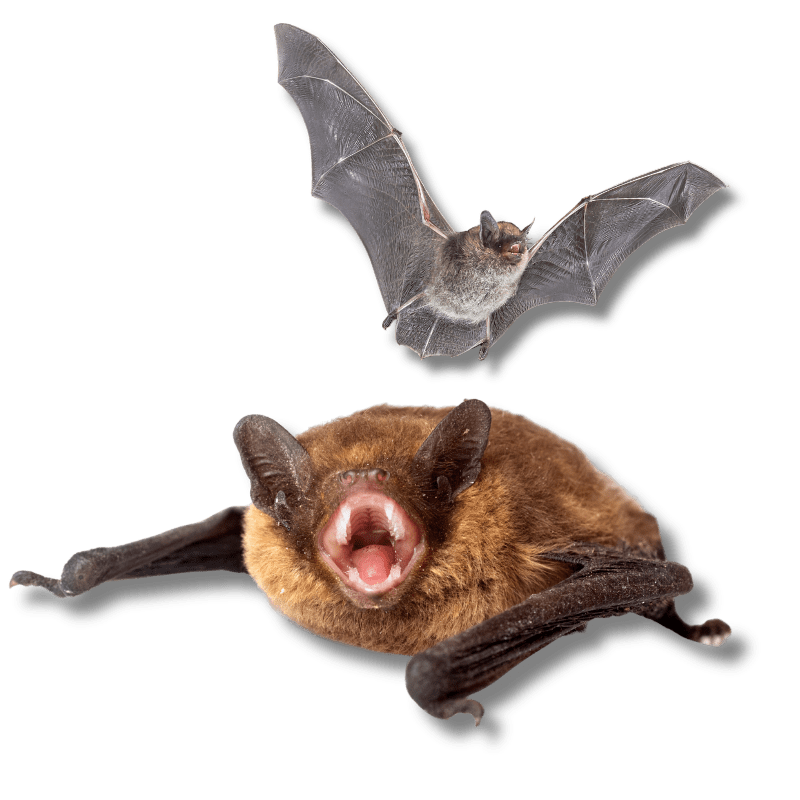
Bats in your attic create health hazards from guano buildup and carry rabies risk. We perform full exclusion using one-way doors during the legal window of August through April, then seal every entry point on the structure.
Flying Squirrel Removal
Flying squirrels enter attics through gaps as small as a quarter and are most active at night during cold months. We trap, remove, and seal every construction gap at the roofline to keep them out permanently.
Squirrel Removal
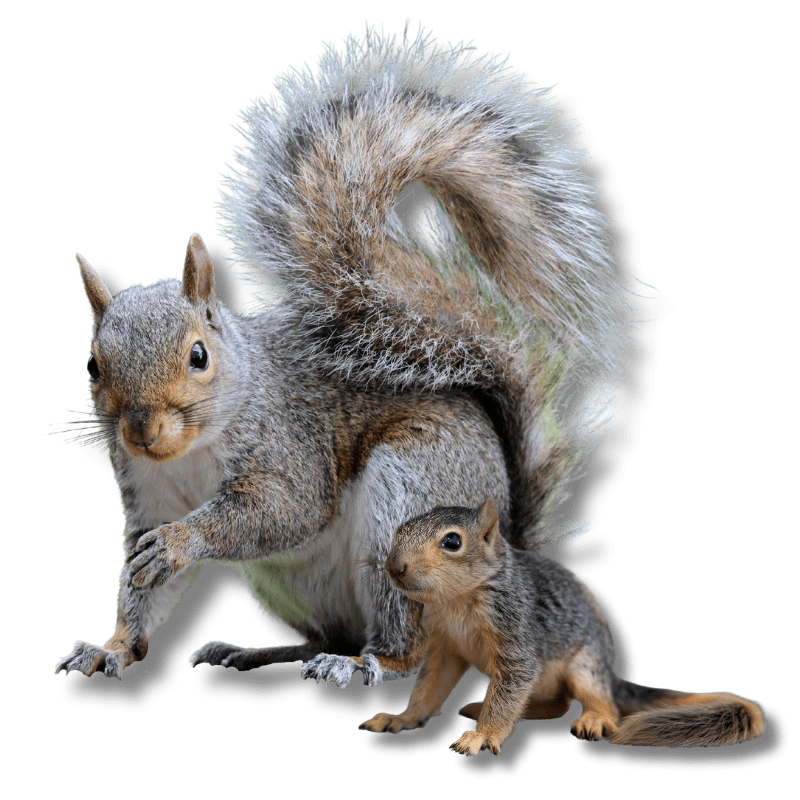
Gray squirrels chew through fascia, soffits, and wiring to nest in attics, creating fire hazards and structural damage. We remove active squirrels with live traps and exclude them by sealing every entry point on the structure.
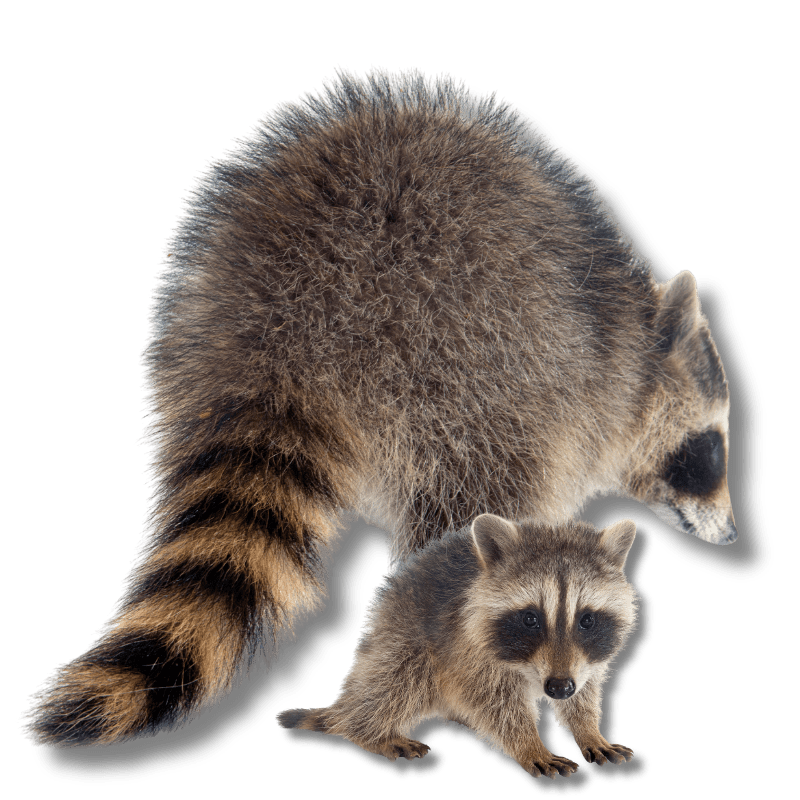
Raccoon Removal
Raccoons tear open soffits, rip through roof decking, and contaminate attic insulation with feces carrying raccoon roundworm. We trap and remove raccoons humanely, repair the damage they caused, and seal the structure to prevent re-entry.
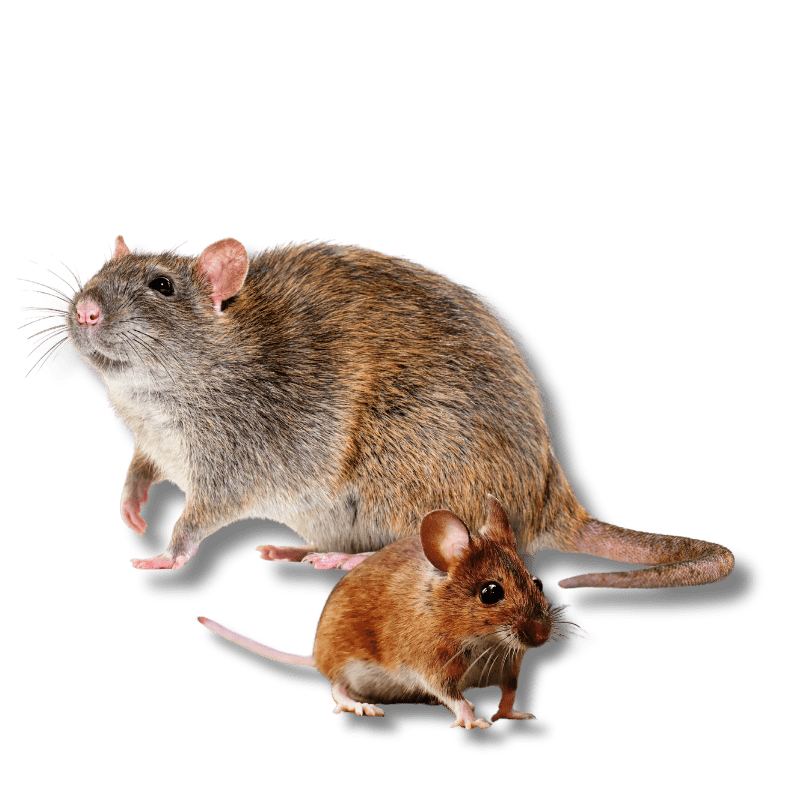
Rodent Control
Rats and mice enter through pipe chases, A/C line penetrations, and foundation vents, contaminating insulation and chewing wiring. We trap and remove active rodents inside the structure and seal every exterior entry point to stop the cycle.
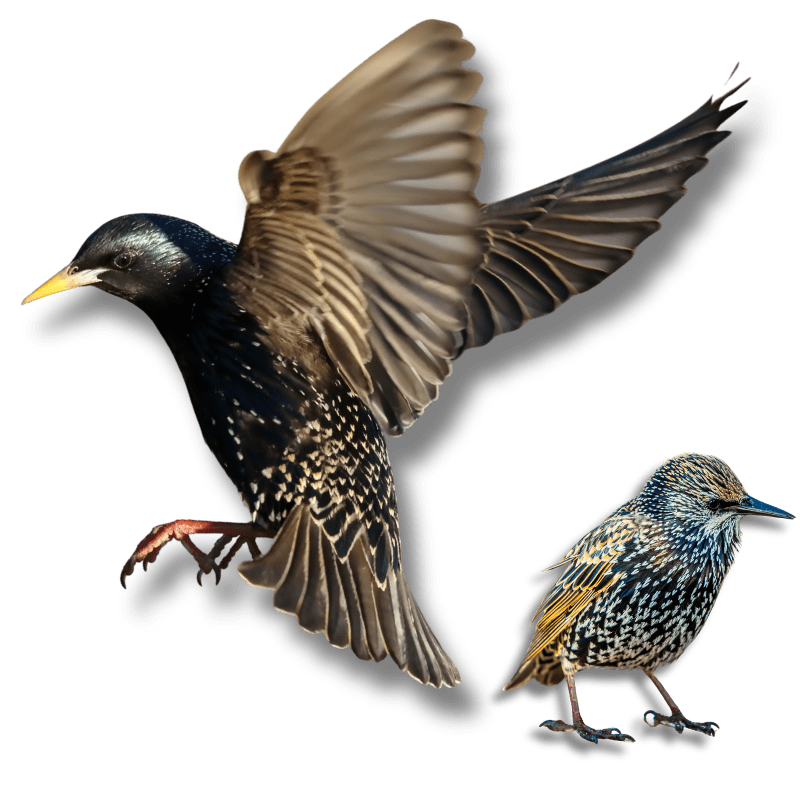
Bird Control
European starlings and house sparrows nest inside exhaust vents, dryer vents, and attic spaces, blocking airflow and creating fire hazards. We remove nesting material, install bird-proof vent covers, and clean contaminated ductwork.
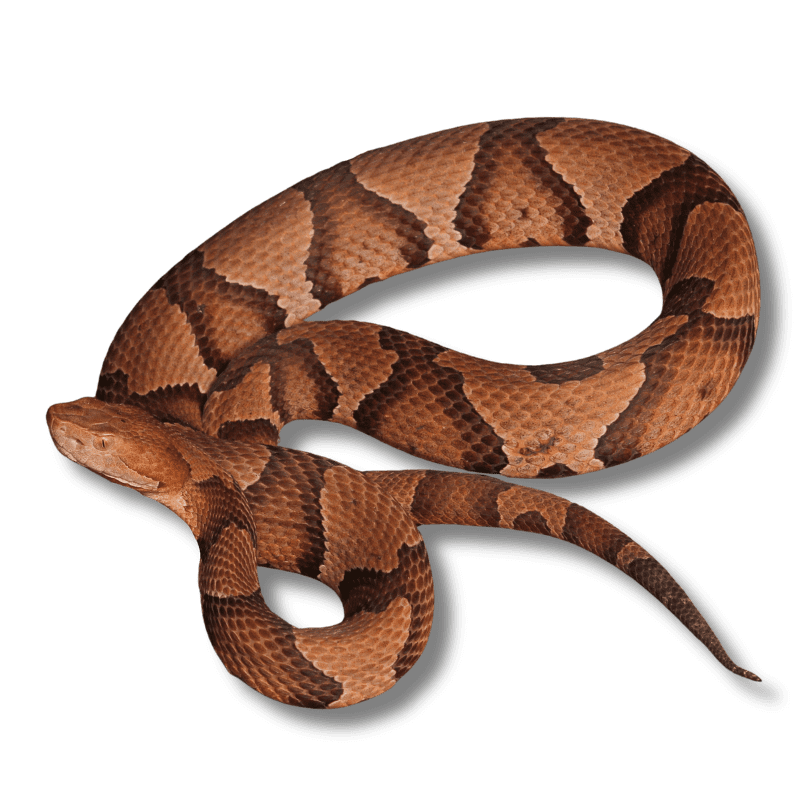
Snake Removal
Snakes enter crawlspaces, garages, and basements through foundation gaps and pipe penetrations. We safely remove the snake, identify the species, and seal entry points to keep them from coming back.
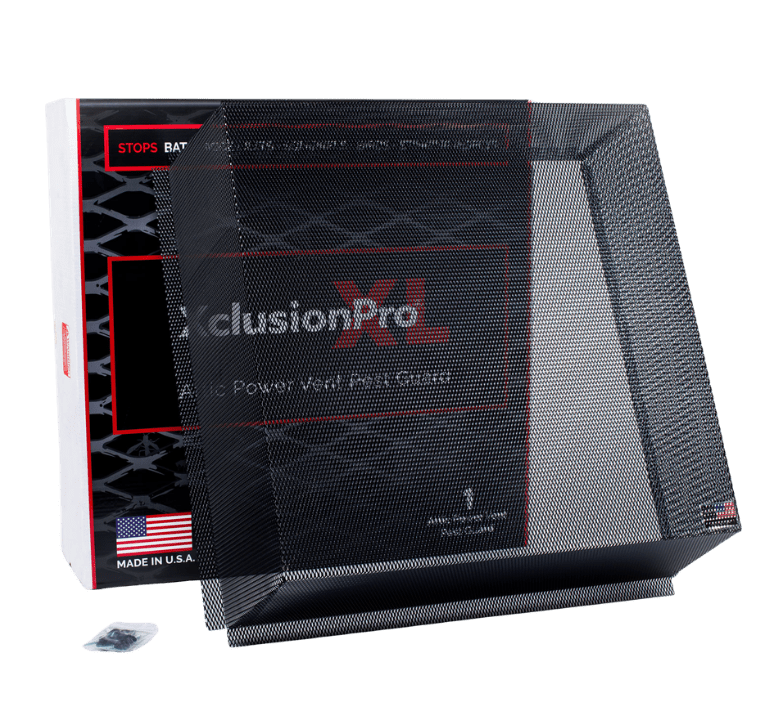
Wildlife Exclusion
Wildlife exclusion seals every vulnerable opening on your home to prevent animals from getting in. We inspect the full structure, identify active entries and potential weak points, and install commercial-grade barriers backed by a limited lifetime warranty.
Why Homeowners Choose Triangle Wildlife Removal
Wildlife removal is what we've done every day for over three decades. Tad Bassett founded this company in 1990 and has been running it full-time since January 1996. He still answers the phone himself. That kind of continuity is rare in this industry, and it's a big part of why customers keep calling back. In a detailed expert interview published by the Regency Park Partnership, a community resource serving over 244,000 Nextdoor neighbors across the Triangle, Tad covered everything from seasonal wildlife behavior and NC regulatory requirements to disease risks and homeowner prevention tips.
All technicians on our team are Ridge-Guard Certified, Bird Barrier Certified, and certified in advanced metal fabrication for wildlife exclusion and damage repairs. Triangle Wildlife Removal is the largest installer of Ridge-Guard on the East Coast, a distinction the company has held for approximately five years. Every exclusion job is backed by a limited lifetime warranty - if animals get back through a sealed entry point, we come back to address it at no charge.
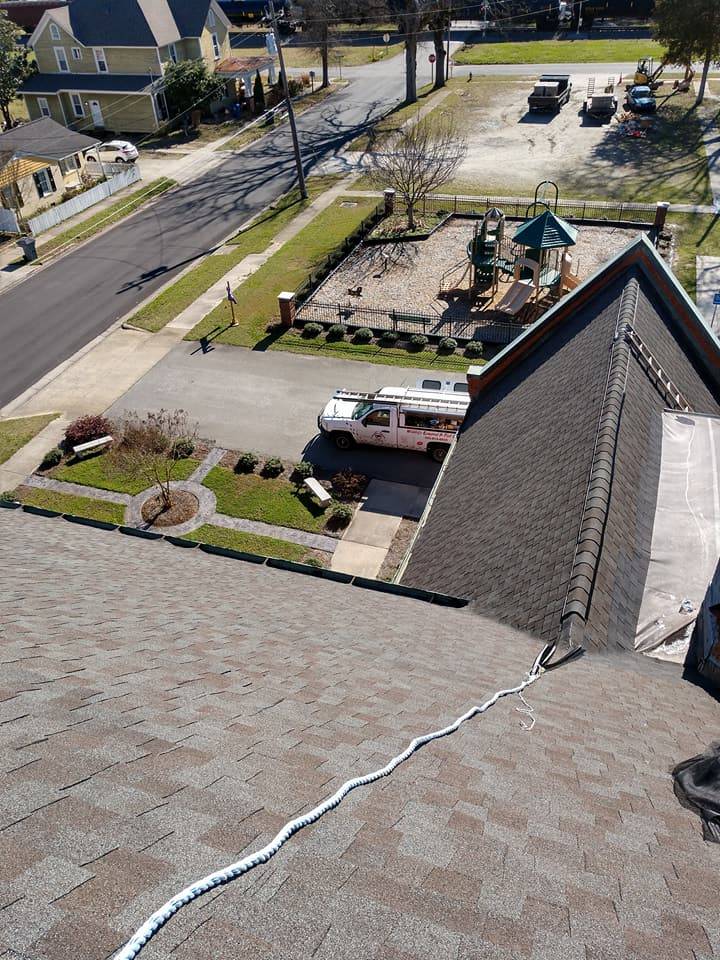
Our Little River Service Areas
We service the entire Triangle area of North Carolina
We service all of Little River, North Carolina in northern Durham and Orange County. The Little River reservoir watershed is heavily forested, and scattered residential properties sit directly against hardwood and pine habitat that supports raccoons, bats, squirrels, and roof rats. Low housing density means wildlife populations face little displacement and move freely into the homes that are here. We also serve Rougemont, Hurdle Mills, Braggtown, Durham, and Eno.
Our Industry Credentials
Triangle Wildlife Removal operates under NC Wildlife Control Agent Permit #DCA25000312, verifiable through the NC Wildlife Resources Commission WCA directory, and NC Pest Control License #1778 PW, verifiable through the NC Department of Agriculture license search. The company is an active member of the National Wildlife Control Operators Association and holds NWCOA Bat Standards Certification, the wildlife control industry's professional standard for bat exclusion work. All technicians are Ridge-Guard Certified Installers and Bird Barrier Certified, with additional certification in advanced metal fabrication for wildlife exclusion and structural damage repairs.
Homeowners can read field-level reviews of our Raleigh wildlife removal work on Yelp. Every employee passes a background check before hiring, with annual criminal and sexual predator screenings standard across the company.
Customer Testimonials


John T.
Vickie B.
Stephanie B


Triangle Wildlife Removal received an average rating of 4.7 out of 5 stars

based on 199+ reviews.
Ready For FastSafeEfficent Bat Control?
You do not have to live with bats in your attic or home. Triangle Wildlife Removal offers same-day and 24/7 emergency service across the Triangle with a limited lifetime warranty on all exclusion work.
4.8 stars across 400+ reviews | NWCOA Bat Standards Certified | Guaranteed Wildlife Exclusion