
Durham, North Carolina – General Information
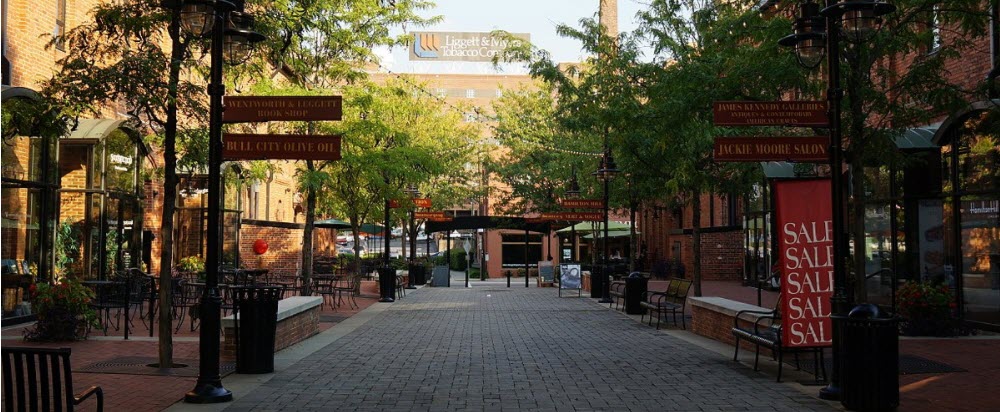
About Durham, North Carolina
Durham is a dynamic city serving as the county seat of Durham County. With a population of approximately 307,000 as of 2025, Durham is the fourth most populous city in North Carolina, along with nearby communities like Garner, NC. As a key component of the Research Triangle, Durham is nationally recognized as a leader in health care, medical research, and technology innovation. The city ranks among the top college towns in the United States and is home to prestigious Duke University.
Durham is conveniently accessible via major highways including Interstate 85, Interstate 40, NC Highway 147 (the Durham Freeway), and US Highway 15-501. These corridors connect residents to Raleigh, Chapel Hill, Research Triangle Park, and Raleigh-Durham International Airport (RDU).
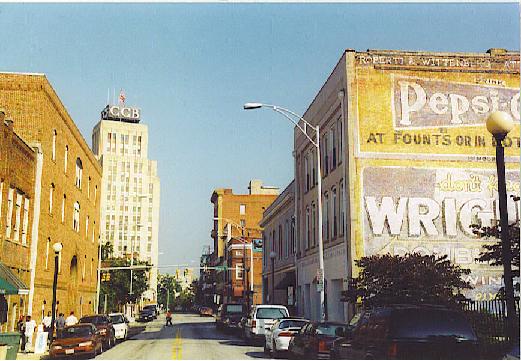
The History of Durham
Durham has grown from a small village with fewer than a hundred residents to one of North Carolina’s largest cities. Durham North Carolina was originally called home by the Eno and Occaneechi tribes, who established the Adshusheer village in the area. The city was officially incorporated in 1869, though its official birthday follows the establishment of the U.S. Post Office on April 26, 1853. Durham sits in close proximity to Apex, North Carolina and other Triangle communities.
The city received its name from Dr. Bartlett Snipes Durham after he donated four acres to the North Carolina Railroad, where a station named Durhamville was built. During the 1800s, Durham earned the nickname “Bull City” after the bestselling product of the Blackwell Tobacco Company. The city became known not only as a tobacco center but also as a banking hub as both industries flourished. We offer nuisance animal removal in Durham NC throughout the entire metro area.
Durham became recognized as an education center in the 1900s with the establishment of North Carolina Central University and Duke University. Its inclusion in Research Triangle Park (RTP) has made Durham a center for medicine, pharmaceuticals, biotechnology, and information technology.
Current Demographics and Community Profile
The average household income in Durham is $108,538 with a poverty rate of 12.2%, and the median age is 34.8 years. The median household income is $79,234, reflecting the city’s diverse economic landscape.
The racial composition includes 43.95% White, 34.43% Black or African American, 6.84% other races, 5.57% Asian, and smaller percentages for Native American, Native Hawaiian or Pacific Islander, and multiracial populations. The population density stands at approximately 2,400 people per square mile across Durham’s 108 square miles.
Durham’s economy is anchored by major employers including Duke University and Duke Health, which operate one of the nation’s leading academic medical centers. The city also hosts major technology companies and serves as a hub for startups and innovation within Research Triangle Park.
Comprehensive Wildlife Control Services
Our team provides professional wildlife management solutions throughout Durham neighborhoods, from historic communities like Trinity Park and Duke Park to newer developments in Hope Valley, Southpoint, and Woodcroft. We serve properties near major corridors including the Durham Freeway (NC 147), Roxboro Street, Hillsborough Road, and Fayetteville Road.
Services Available in Durham, North Carolina:
- Durham NC Squirrel Trapping Services
- Durham NC Raccoon Extermination Company
- Durham NC Bat Control Company
- Durham NC Rat Removal Service
- Durham NC Snake Removal Companies
- Durham NC Wildlife Removal Service
- Durham NC Opossum Control Company
Wildlife activity is common throughout Durham due to the city’s extensive tree canopy, proximity to the Eno River, and rapid development. Animals including raccoons, squirrels, bats, and snakes frequently seek shelter in homes and businesses, particularly in older neighborhoods with mature landscaping and areas near Duke Forest.
Whether you live in North Durham near Northgate Park, South Durham in communities like Chancellors Ridge, West Durham near Old West Durham and Croasdaile, or East Durham, we provide prompt, professional wildlife solutions. Our experienced technicians understand local wildlife behavior and deliver humane, effective removal services throughout Durham County.
Notable Durham Neighborhoods
Durham features diverse neighborhoods, each offering unique character and appeal:
Trinity Park is a stunning 40-block historic neighborhood featuring tree-lined streets and beautiful homes from the early 1900s. The neighborhood earned a spot on the National Register of Historic Places and is one of the most walkable areas in Durham. Trinity Park sits adjacent to Duke University’s East Campus and provides easy access to Downtown Durham.
Hope Valley was established in the 1920s as Durham’s first country club community. The prestigious neighborhood features generous, tree-filled lots surrounding a classic Donald Ross championship golf course at Hope Valley Country Club. Home prices range from the mid-$200,000s for townhouses to over $1 million for estates with golf course views. Hope Valley sits less than five miles from downtown Durham and near Research Triangle Park.
Southpoint is anchored by The Streets at Southpoint, an upscale shopping mall featuring over 150 stores, movie theaters, and restaurants. The neighborhood is one of the safest in Durham and provides easy access to Interstate 40. The American Tobacco Trail runs through the area, offering biking and walking opportunities.
Duke Park is one of Durham’s oldest neighborhoods, known for beautiful 1920s-style homes built around an open green space. The park itself features a playground, walking trails, picnic tables, and a dog run, making it popular with families.
Old North Durham is one of the city’s oldest neighborhoods, transitioning from farmland to residential in the early 1900s when the downtown streetcar line expanded north. Today, Old North Durham features energetically renovated historic homes on tree-lined streets with close proximity to a revitalized downtown.
Woodcroft is a planned community south of Hope Valley, just off Interstate 40. The neighborhood offers wooded trails, diverse housing options, and access to the Woodcroft Club. Charles E. Jordan High School, which serves the area, is highly rated.
Downtown Durham blends high-rise condos with early 20th-century homes. Durham Central Park hosts events and a weekly farmers’ market. The area includes Bulls Athletic Park, the Durham Performing Arts Center, and the American Tobacco Historic District, all within walking distance.
Walltown is a historically significant African-American neighborhood north of Duke University’s East Campus with strong community ties. The neighborhood was named after George Wall, an African American man who purchased the land in the late 19th century.
Forest Hills features diverse homes from bungalows to estates. Residents enjoy Forest Hills Park and access to the American Tobacco Trail. The neighborhood has highly rated schools and sits close to downtown Durham along US 15-501.
Famous Attractions and Points of Interest
Eno River State Park
The 4,200-acre Eno River State Park in Orange and Durham Counties provides extensive land for hiking, canoe launches, picnic areas, and historic trails. Visitors interested in learning about the Native American tribes that once lived in Durham should visit the park, as these tribes lived along the Eno River. The state park was established through the efforts of concerned citizens working to protect the area from development.
Falls Lake State Recreation Area
Falls Lake State Recreation Area is a popular destination depicted in “Crisis Four,” a spy thriller novel by Andy McNab. The US Army Corps of Engineers developed the Falls Lake Project as a flood control solution. The dam, completed in 1981, provides not only recreation for visitors but also water supply, fisheries, and water quality control for the area.
Duke University
Duke University has always attracted attention as an academic center and for its Gothic-inspired architecture, which has made it one of the most beautiful universities in North Carolina. The 8,600-acre campus is often called the Harvard of the South and serves as home to 14,000 graduate and undergraduate students. The campus features the Sarah P. Duke Gardens, a stunning 55-acre public botanical garden with ponds and walking paths.
The Museum of Life and Science
The Museum of Life and Science is known for its exhibit on NASA’s space program. Called Aerospace, the exhibit includes artifacts related to Project Apollo, including Neil Armstrong’s dosimeter, a Lunar Module mockup, a moon rock, and an Apollo command module test vehicle. The 80-acre property also features the Sprout Cafe, Catch the Wind, Safari Express Train Ride, Dinosaur Trail, and the Butterfly House.
Duke Homestead State Historic Site
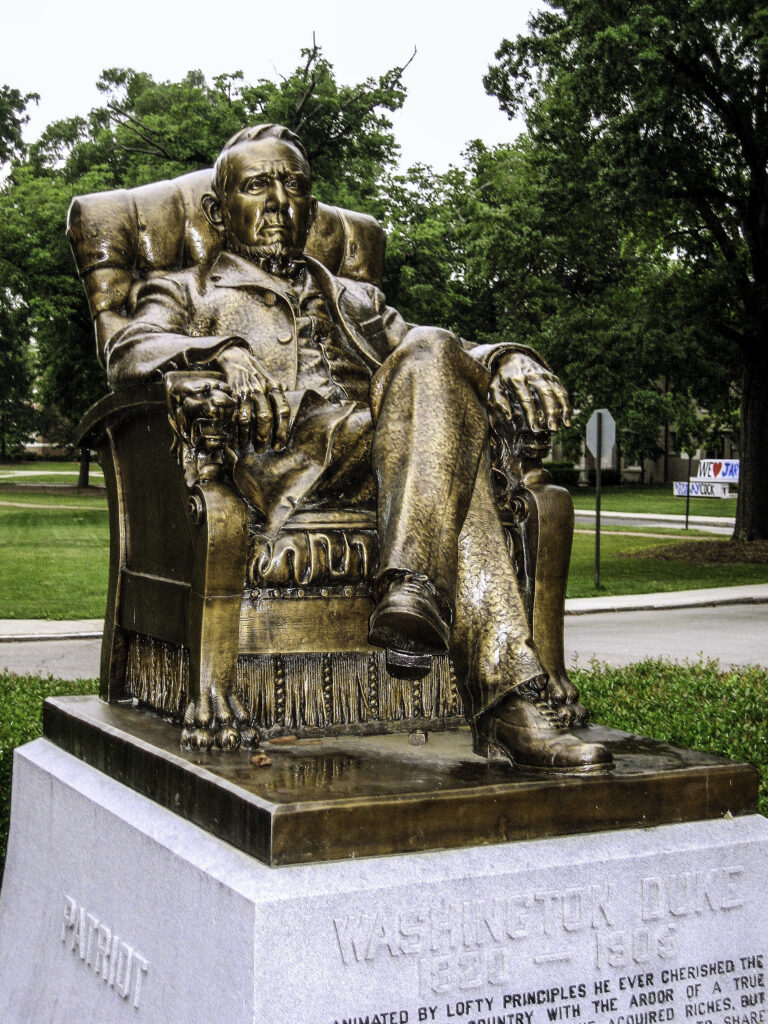
Visitors wanting to learn about the largest tobacco company in the early 20th century should visit this historical site. Washington Duke built the American Tobacco Company here. The over 40-acre property is designated as a National Historic Landmark. It features barn-like structures where the company processed and packed tobacco products, providing insight into Durham’s industrial heritage.
Durham Bulls Athletic Park
Durham Bulls Athletic Park, home to the Durham Bulls minor league baseball team, sits near downtown Durham. The stadium gained national recognition after appearing in the 1988 film “Bull Durham.” The modern facility opened in 1995 and continues to draw baseball fans throughout the season.
American Tobacco Historic District
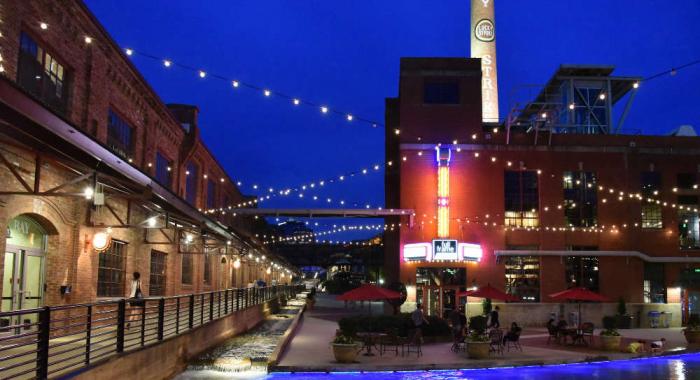
The American Tobacco Historic District represents a stunning example of adaptive reuse. The former tobacco warehouses and factories have been transformed into offices, restaurants, shops, and entertainment venues. The district connects to downtown Durham via walking paths and features public art installations throughout.
Wildlife Management Needs in Durham
The mature tree canopy, proximity to the Eno River and Duke Forest, and extensive development throughout Durham create frequent interactions between wildlife and residents. Common wildlife concerns include:
Raccoons frequently nest in attics and crawl spaces throughout Durham neighborhoods, particularly in older homes near Trinity Park, Forest Hills, and Duke Park. These animals can carry rabies and raccoon roundworm (Baylisascaris), creating serious health risks for families and pets. Professional removal and exclusion protect homes from these threats.
Bats often roost in attic spaces and wall voids, especially in historic buildings throughout Old North Durham, Walltown, and near Duke University. Accumulated bat droppings can harbor Histoplasma capsulatum, the fungus that causes histoplasmosis. Professional bat exclusion ensures safe removal while preventing future entry.
Squirrels cause significant damage when they nest in attic spaces, chewing through wiring, insulation, and structural components. These animals are especially active in neighborhoods with mature trees like those found throughout Hope Valley, Croasdaile, and areas near Duke Forest.
Snakes, while generally beneficial for controlling rodent populations, can alarm property owners when discovered near homes or in garages. Most snake species in the Durham area are non-venomous, but professional identification and removal provide peace of mind.
Rodents including rats and mice enter homes seeking food and shelter, particularly during colder months. These animals can contaminate food, damage property, and spread diseases through their droppings and urine. Professional rodent control eliminates existing populations and prevents future activity.
Our team serves all Durham communities, from North Durham neighborhoods along NC 55 and Roxboro Street to South Durham areas near Fayetteville Road and I-40, and West Durham along US 15-501. We provide comprehensive inspection, removal, exclusion, and repair services to protect residential and commercial properties throughout Durham County.
Notable People from Durham
One of the most significant personalities from Durham is James Buchanan Duke, founder of Duke University. Born near Durham, he named the university after his family and transformed both the tobacco industry and higher education in North Carolina. Other famous people from Durham include artist and painter Ernie Barnes, NFL player Michael Brooks, blues musician Bull City Red, Matt and Ross Duffer (creators of the Netflix series Stranger Things), and Roger Lee Craig, the renowned Major League Baseball pitcher.
Durham represents an interesting place to visit not just for those interested in academic centers, but also for those wanting to experience history firsthand. Tobacco played a major role in the city’s development, and visiting the places where it all started provides an up-close and personal experience of that important period in North Carolina history.