
Serving The Triangle Area Since 1990!
Wake County Bat Removal
Triangle Wildlife Removal provides Wake County bat removal for homes and businesses and has done so since 1990. Owned and operated by Tad Bassett, who holds a B.S. in Fisheries and Wildlife Management from NC State University and a NC Wildlife Control Agent Permit #DCA25000312. Our team includes licensed wildlife control operators, a staff zoologist, and field technicians with decades of hands-on bat exclusion experience in the Triangle area of North Carolina.
We maintain a 4.7+ rating across 400+ online reviews including 199+ Google reviews, a 4.9 star Angi rating, 150+ Nextdoor Favs, and a BBB A+ rating with zero complaints.
Every bat exclusion job comes with a limited lifetime warranty on workmanship and materials. If bats return to a sealed entry point, we come back to fix it.
Triangle Wildlife Removal & Pest Control, Inc.
1913 Lost Cove Ln, Raleigh, NC 27603
Phone: (919) 661-0722
Hours: Monday - Sunday, 7:00 AM - 5:00 PM | 24/7 Emergency Service
NC WCA Permit #DCA25000312 | NC Pest Control License #1778 PW

Schedule An Inspection!
Click To Contact
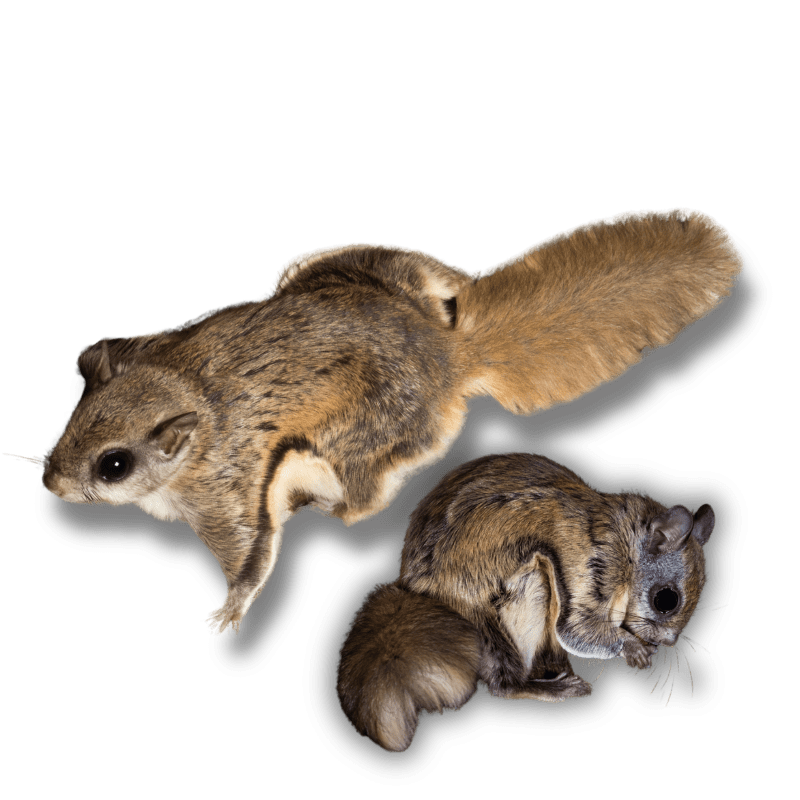
FREE INSPECTIONS FOR FLYING SQUIRRELS AND BATS
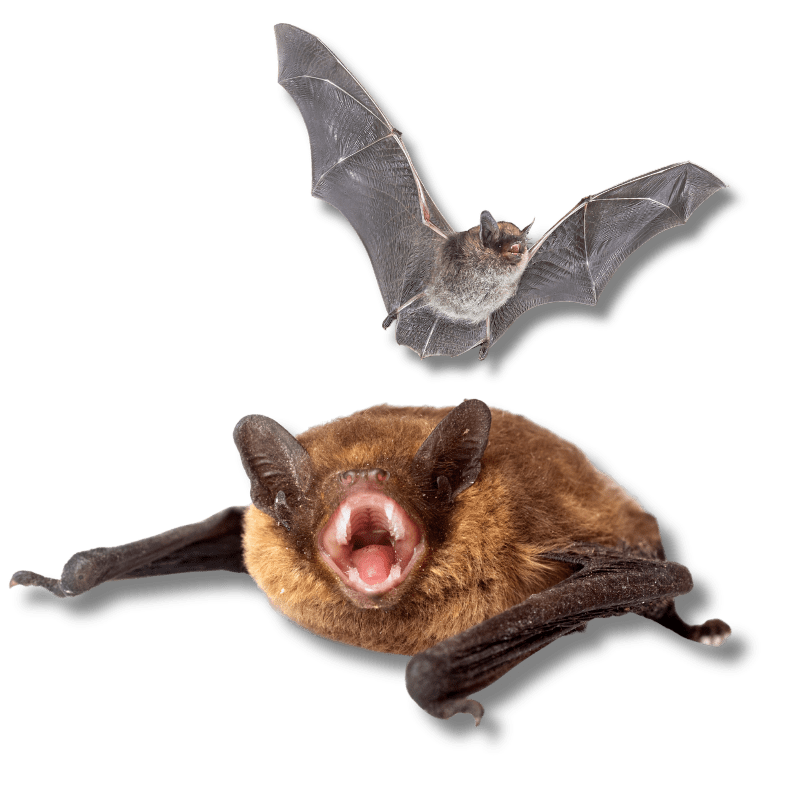
Our Wake County, NC Bat Control Services
Triangle Wildlife Removal & Pest Control, Inc. provides bat exclusion, guano cleanup, attic sanitization, and bat house installation for homes throughout Wake County, North Carolina. Our one-way exclusion devices allow bats to exit your home naturally, and we seal every gap so they stay out for good.
North Carolina regulates bats more heavily than any other nuisance wildlife species. Trapping, killing, or poisoning bats is illegal in the state. Exclusion is the only legal removal method, and state law prohibits exclusions between May 1 and July 31 to protect flightless pups during maternity season. All of our bat work follows these regulations and NWCOA Bat Standards.
Our Wake County wildlife removal services cover the entire county, and we offer free bat inspections for Wake County homeowners. The Neuse River, Falls Lake, and Crabtree Creek put prime bat foraging habitat close to rooftops across the largest county in the Triangle, and the mix of older homes and newer subdivisions gives bats no shortage of entry points.
Triangle Wildlife Removal is a licensed and insured wildlife control company carrying $5 million in general liability coverage. We are NWCOA members and the exclusive animal removal provider endorsed by Wildlife Welfare Inc., a 501(c)(3) based in Apex, North Carolina.
Health Risks From Bats in Wake County
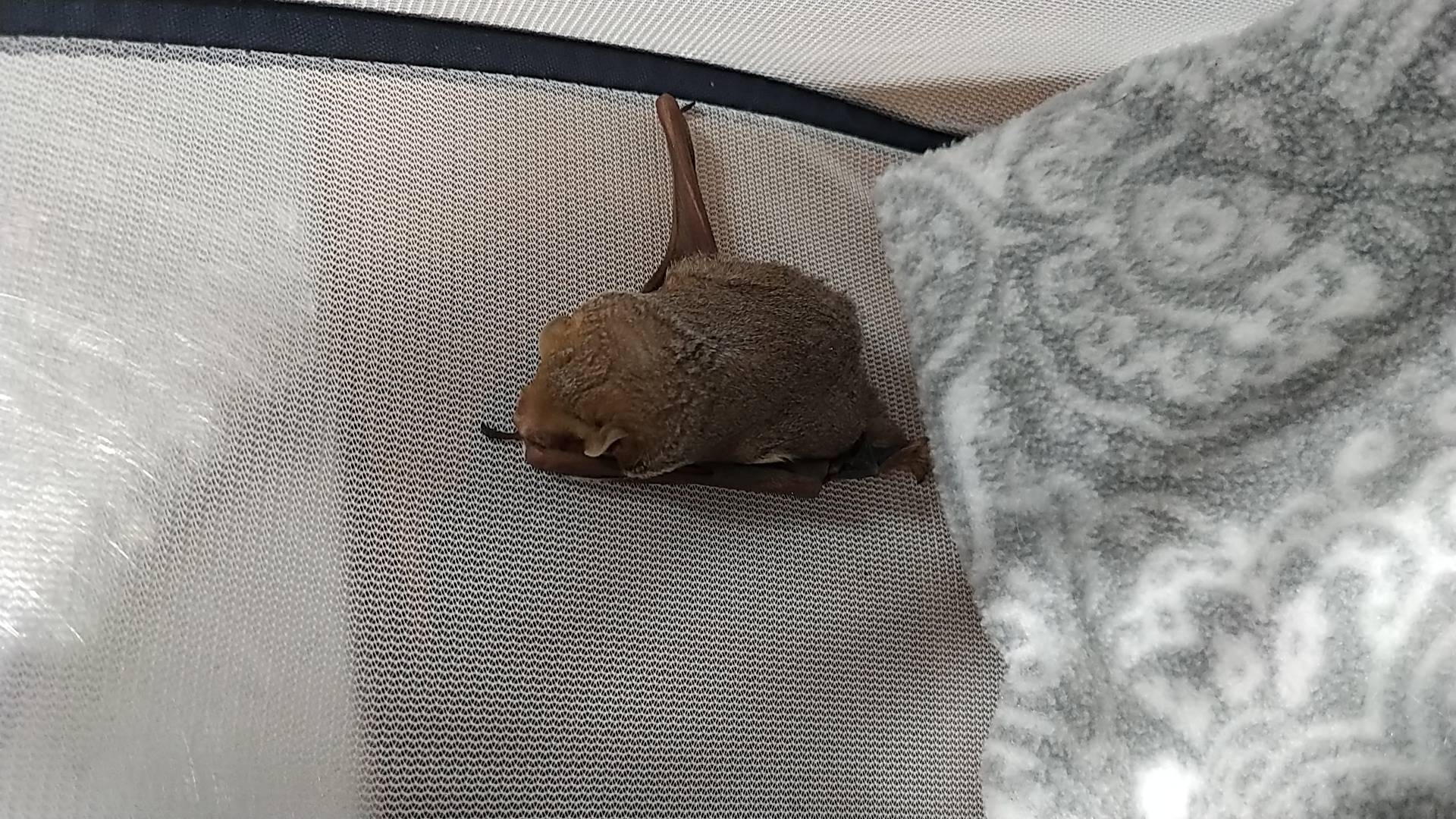
Rabies is the most serious health threat bats pose. A bite is not the only way exposure happens. Simply finding a bat in a bedroom where someone slept qualifies as a potential exposure. The CDC guidance on rabies prevention and bats outlines why any direct contact with a bat warrants medical evaluation.
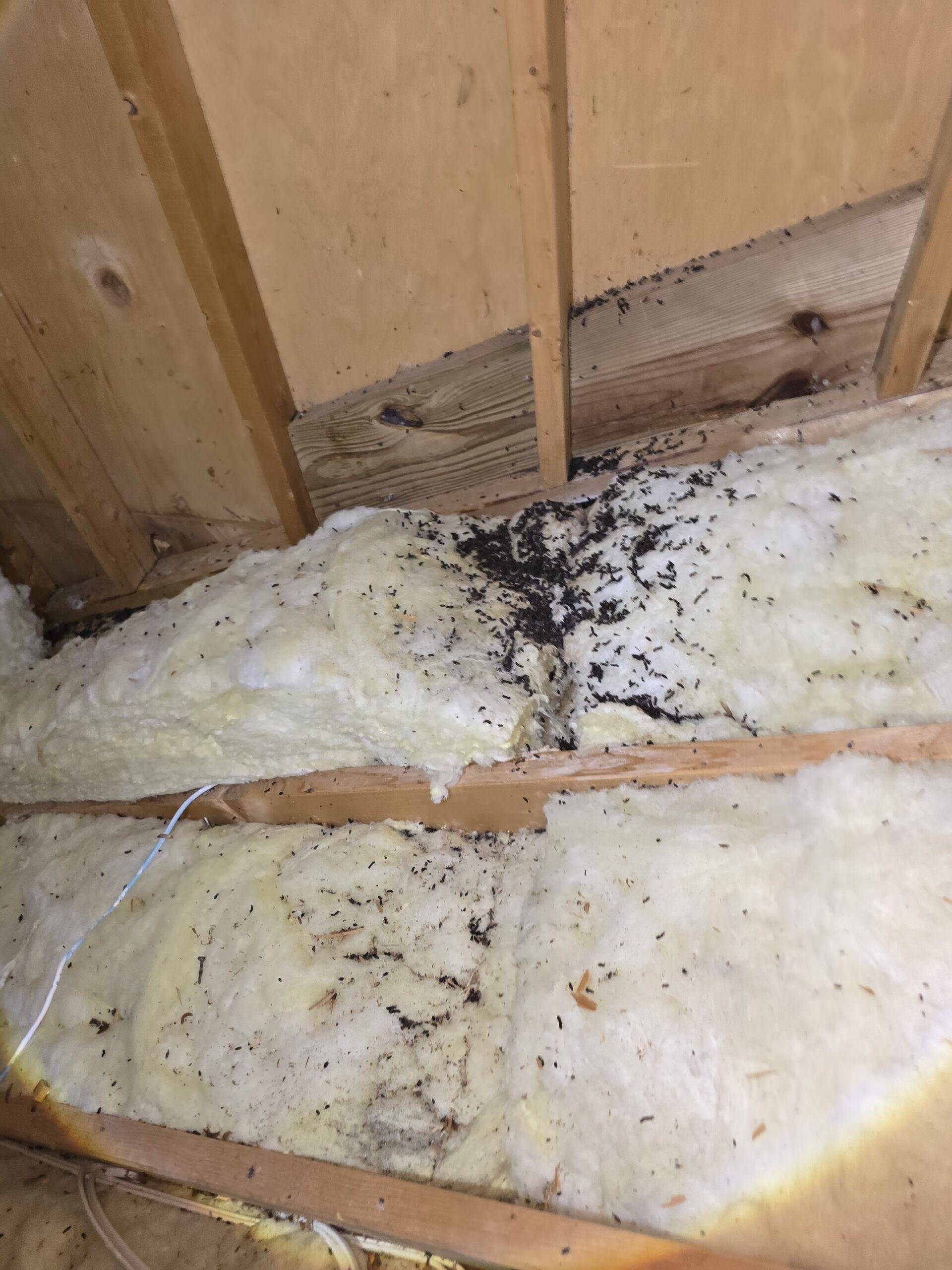
Bat guano that builds up in an attic supports the growth of Histoplasma capsulatum, the fungus responsible for histoplasmosis. Disturbing dried droppings sends spores into the air, and inhaling those spores can cause a respiratory infection. Enclosed spaces with large guano deposits carry the highest risk.
Bat bugs present a secondary problem. These blood-feeding parasites live alongside roosting bats and are close relatives of bed bugs. Once an exclusion removes the bats, bat bugs lose their preferred host and often move into living areas searching for a meal. Professional guano removal and treatment after exclusion eliminates both the contamination and the bat bug population.
Bats in Wake County, NC
Seventeen bat species live in North Carolina, and nine of them carry endangered, threatened, or special concern status at the state or federal level. The K-State Extension bat management guide covers bat biology, behavior, and the legal framework that governs how they are handled.
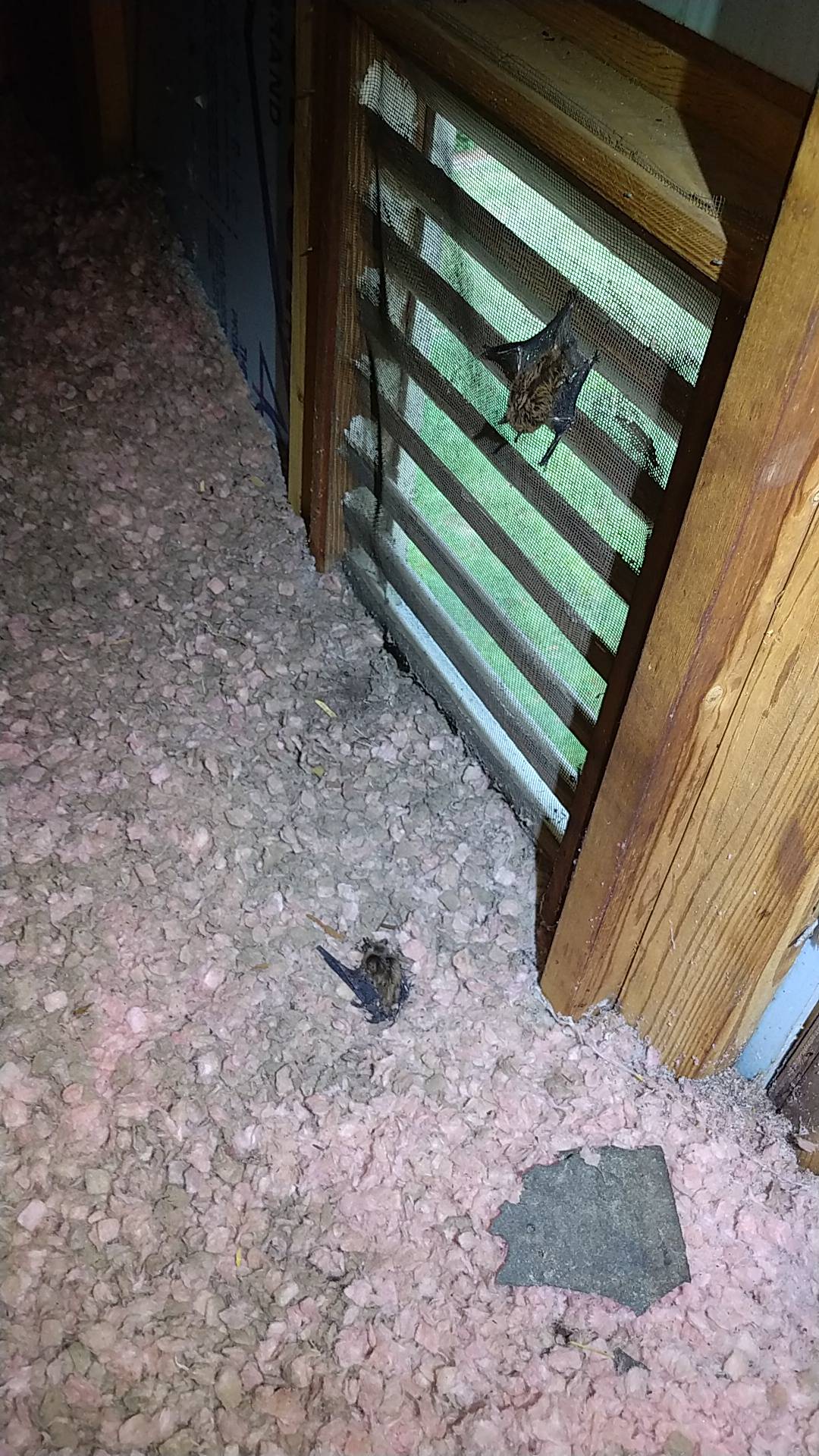
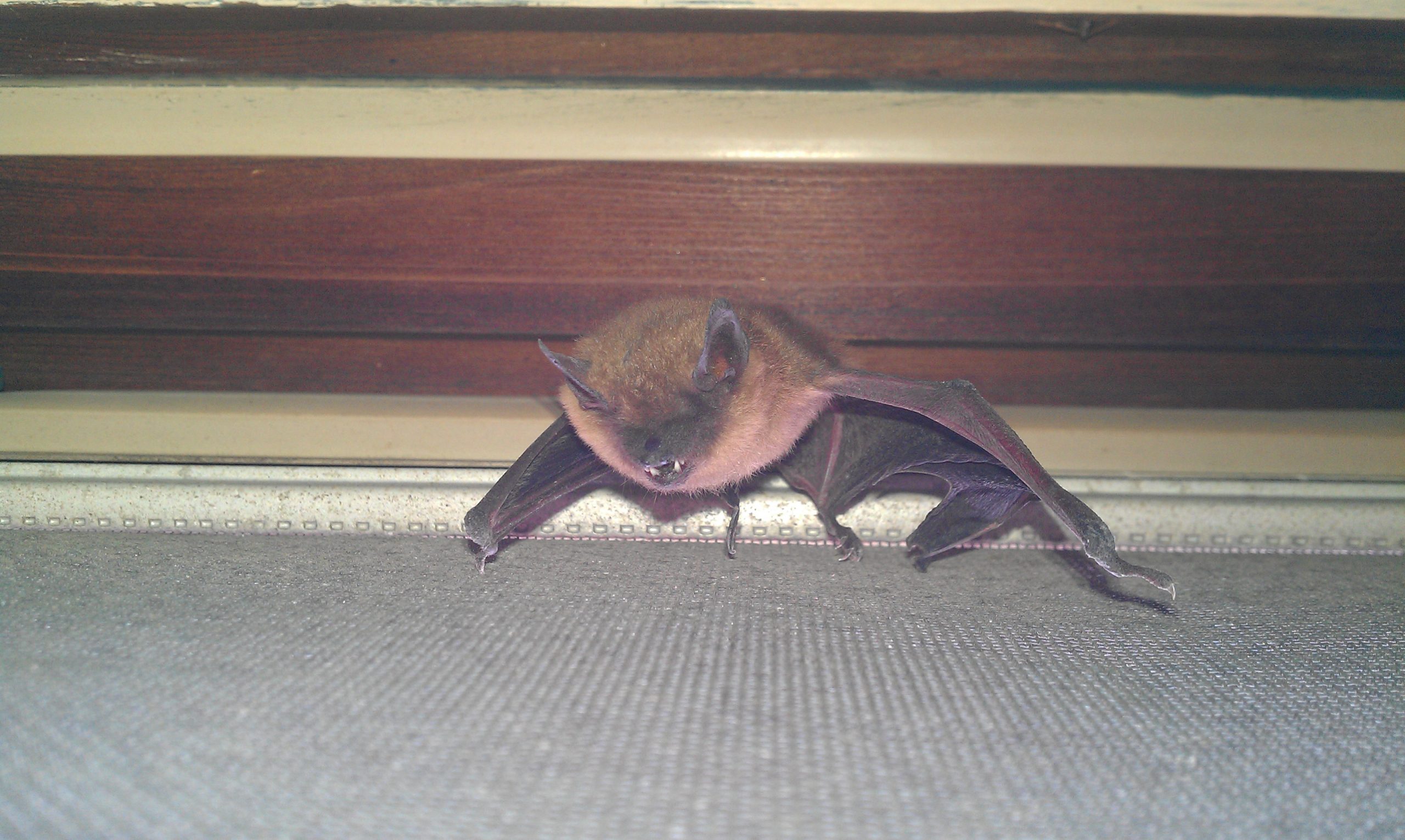
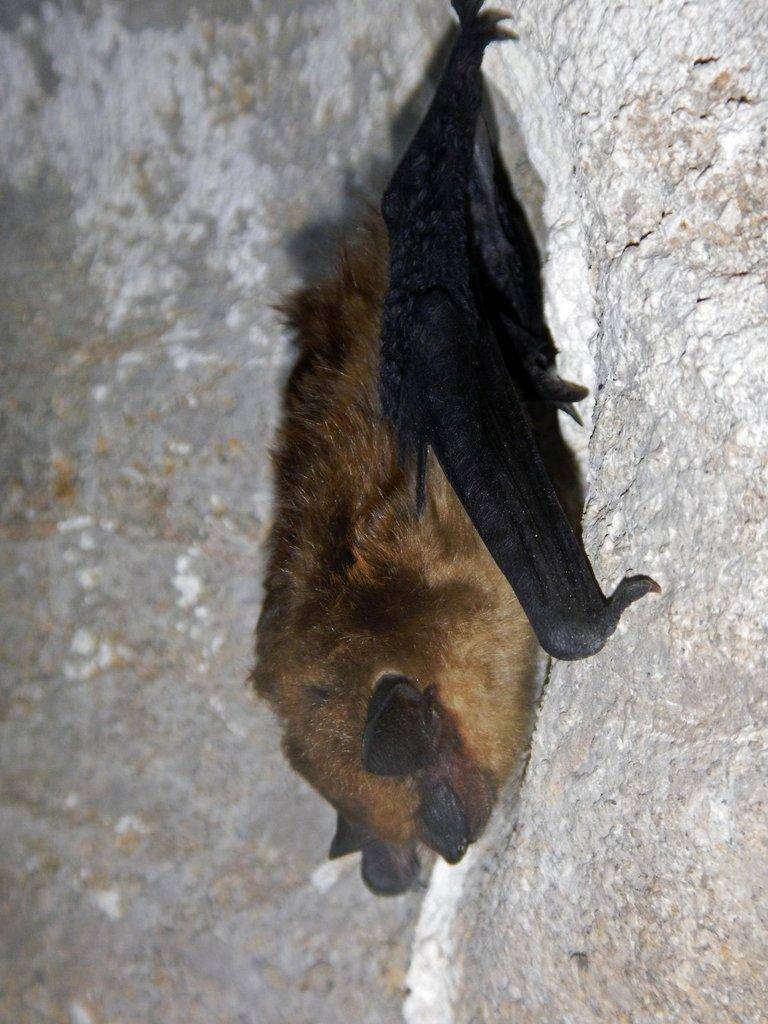
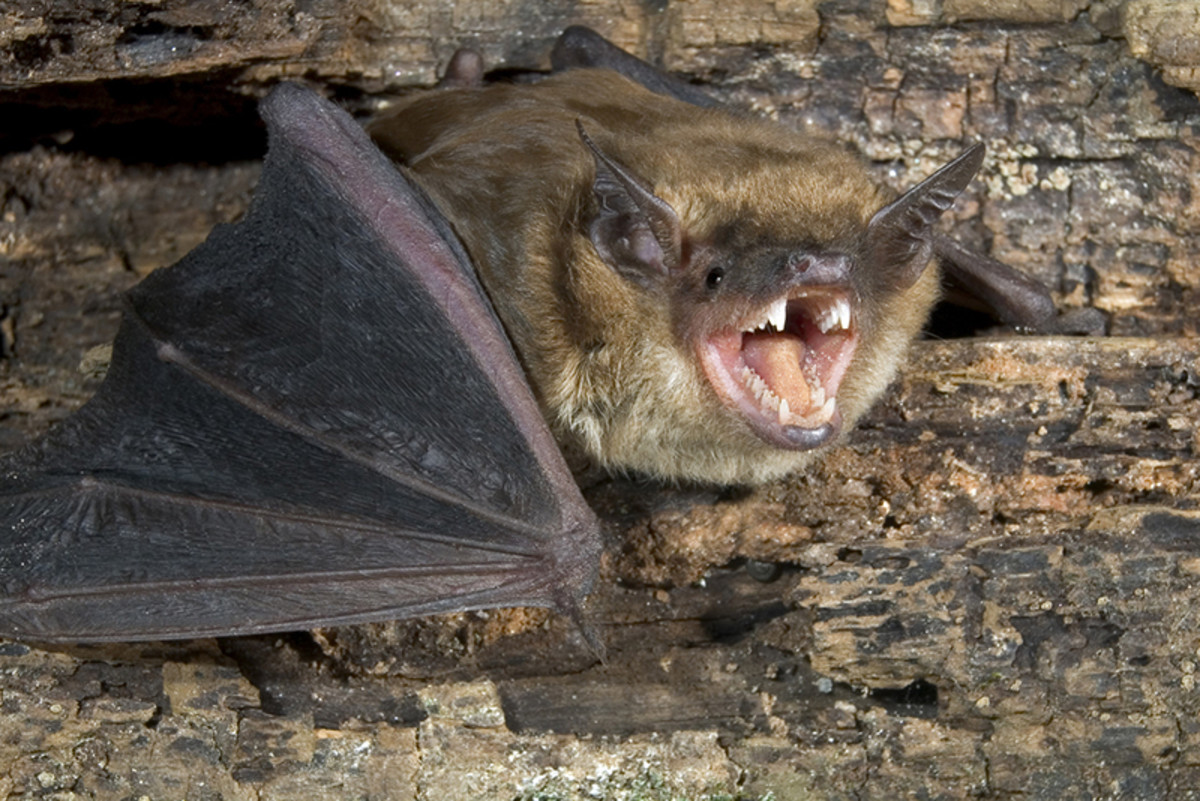
Big brown bats and little brown bats account for the vast majority of attic colonies we find in Wake County. Both species roost in groups, so a single attic may hold dozens or even hundreds of bats. Big brown bats often stay through the winter in a heated attic. Little brown bats gather in large maternity colonies during spring and summer, then disperse to hibernation sites when temperatures drop.
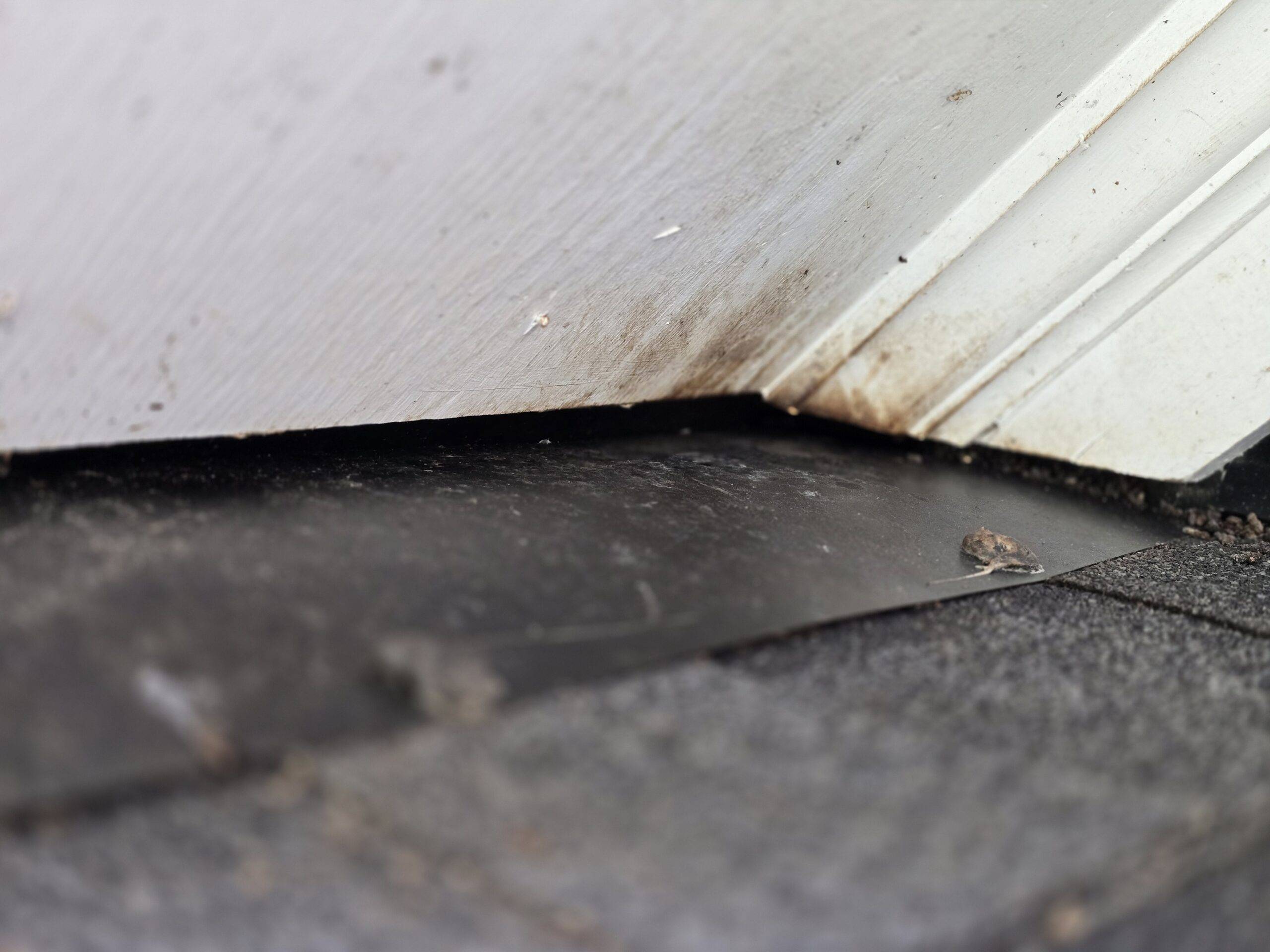
A gap of just three-eighths of an inch is wide enough for a bat to squeeze through. Ridge vents, soffit-to-fascia joints, chimney flashing, gable vents, and utility penetrations are the most common entry points. Wake County’s housing stock spans historic neighborhoods near downtown Raleigh, decades-old suburban developments, and rural homesteads, and each style develops its own weak spots over time. The Neuse River corridor, Crabtree Creek greenway, and the shores of Falls Lake put excellent insect habitat within easy flying distance of rooftops across the county.
Signs of Bats in Your Home
Most homeowners notice evidence of bats long before they see one in person.
- Guano accumulation. Bat droppings are small, dark pellets roughly the size of mouse droppings. Unlike mouse droppings that scatter along travel paths, bat guano piles up directly beneath roosting spots. Look for piles in the attic, on porches below soffit gaps, or on windowsills near entry points.
- Staining at entry points. Bats leave brown or black rub marks around the gaps they use every night. These stains come from oils in bat fur and darken over time on soffits, fascia boards, and brick. Visible staining is a strong sign of an active roost.
- Squeaking and scratching at dusk. Bats wake and prepare to leave the roost around sunset. You may hear faint squeaking, chittering, or light scratching sounds in the attic or walls during this time. The noise is higher-pitched and softer than what squirrels or rats produce.
- Bats flying from the roofline at dusk. Standing outside at sunset and watching your roofline is one of the simplest ways to confirm a colony. Even two or three bats leaving from the same gap each evening points to a roost inside the structure.
- Strong ammonia smell. Large guano deposits give off a sharp, ammonia-like odor. In homes with sizable colonies, the smell can reach the living space below the attic, particularly during warm weather.
Bat Exclusion and Guano Cleanup
Every Wake County, NC bat removal project begins with a free inspection of the full roofline, soffits, fascia, ridge vents, gable vents, chimney, and every other potential entry point. Our staff zoologist Derek Cline, with 15 years of field experience, leads these assessments. We map every active and potential access point before any work starts.
One-way exclusion devices go up at each active entry point. These devices let bats push out when they leave to feed at dusk but block them from reentering. The devices remain in place for several days until all bats have departed. North Carolina law bans bat exclusions between May 1 and July 31 because flightless pups would be sealed inside. If we inspect during maternity season, we record all entry points and schedule the exclusion to begin on the first legal date in August.
Once every bat has exited, we pull the exclusion devices and permanently seal each opening with steel, caulk, and hardware cloth. Bats fit through a gap as small as three-eighths of an inch, so every seal has to be precise. Our exclusion work carries a limited lifetime warranty.
Guano cleanup follows every bat exclusion. We remove all droppings and contaminated insulation, sanitize the affected areas, and install new insulation where needed. Our technicians wear full respiratory protection throughout the process because of the histoplasmosis risk. We also treat for bat bugs when they are found. For homeowners who want bats on their property but not in the attic, we offer bat house installation as part of our service.
Frequently Asked Questions
Can you remove bats from my attic during the summer?
Not between May 1 and July 31. North Carolina prohibits bat exclusions during this period because female bats have flightless pups that would be trapped inside. If you contact us during maternity season, we will inspect your home, document every entry point, and have everything prepared to start exclusion on August 1.
How do one-way exclusion devices work?
A one-way device is a tube or netting assembly placed over the bat’s entry point. Bats can push through the device when they leave to feed at night, but they cannot navigate back in through it. The devices stay installed for several days to confirm every bat has left before we seal the opening for good.
Is bat guano dangerous?
Yes. Bat guano can contain the fungus that causes histoplasmosis, a respiratory infection. The greatest risk comes when dried guano is disturbed and spores go airborne. Do not try to clean up bat guano on your own. Professional removal with proper respiratory protection and containment is the safe way to handle it.
Do you offer free bat inspections?
Yes. We provide free bat inspections for homeowners across Wake County. The inspection covers your full roofline and attic to locate active entry points, guano deposits, and colony size. There is no cost or obligation.
What other wildlife control services do you offer in Wake County, NC?
Triangle Wildlife Removal also provides Wake County flying squirrel removal, Wake County squirrel removal, Wake County raccoon removal, Wake County rodent control, Wake County snake removal, Wake County bird control, and Wake County wildlife exclusion across Wake County NC.
Why Homeowners Choose Triangle Wildlife Removal
Bat removal has been a core part of our work since Tad Bassett founded this company in 1990. He’s been running it full-time since January 1996 and still answers the phone himself. That kind of continuity is rare in this industry, and it’s a big part of why customers keep calling back. In a detailed expert interview published by the Regency Park Partnership, a community resource serving over 244,000 Nextdoor neighbors across the Triangle, Tad covered everything from seasonal bat behavior and NC exclusion regulations to disease risks like histoplasmosis and homeowner prevention tips.
All technicians on our team are Ridge-Guard Certified, Bird Barrier Certified, and certified in advanced metal fabrication for bat exclusion and damage repairs. Triangle Wildlife Removal is the largest installer of Ridge-Guard on the East Coast, a distinction the company has held for approximately five years. Ridge-Guard is one of the most effective tools for sealing ridge vents, one of the most common bat entry points on residential rooflines. Every bat exclusion job is backed by a limited lifetime warranty – if bats get back through a sealed entry point, we come back to address it at no charge.
Our Wake County Service Areas
We service the entire Triangle area of North Carolina
We offer bat removal services to homes across Wake County, NC and the communities of Raleigh, Cary, Apex, Holly Springs, Garner, Wake Forest, Knightdale, Wendell, Zebulon, Rolesville, Fuquay-Varina, and Morrisville. We work along the Neuse River and Crabtree Creek corridors near I-40, I-440, US-1, US-64, and Falls Lake.
Our Industry Credentials
Triangle Wildlife Removal operates under NC Wildlife Control Agent Permit #DCA25000312, verifiable through the NC Wildlife Resources Commission WCA directory, and NC Pest Control License #1778 PW, verifiable through the NC Department of Agriculture license search. The company is an active member of the National Wildlife Control Operators Association and holds NWCOA Bat Standards Certification, the wildlife control industry's professional standard for bat exclusion work. All technicians are Ridge-Guard Certified Installers and Bird Barrier Certified, with additional certification in advanced metal fabrication for wildlife exclusion and structural damage repairs.
Homeowners can read field-level reviews of our Raleigh wildlife removal work on Yelp. Every employee passes a background check before hiring, with annual criminal and sexual predator screenings standard across the company.

Customer Testimonials


John T.
Vickie B.
Stephanie B


Triangle Wildlife Removal received an average rating of 4.7 out of 5 stars

based on 199+ reviews.
Ready For FastSafeEfficent Bat Control?
You do not have to live with bats in your attic or home. Triangle Wildlife Removal offers same-day and 24/7 emergency service across the Triangle with a limited lifetime warranty on all exclusion work.
4.8 stars across 400+ reviews | NWCOA Bat Standards Certified | Guaranteed Wildlife Exclusion