
Serving The Triangle Area Since 1990!
Garner Flying Squirrel Removal
Are you in need of Garner flying squirrel removal? Triangle Wildlife Removal & Pest Control, Inc. has been removing flying squirrels from homes and businesses across Garner since 1990. Owned and operated by Tad Bassett, who holds a B.S. in Fisheries and Wildlife Management from NC State University and a NC Wildlife Control Agent Permit #DCA25000312. Our team includes licensed wildlife control operators, a staff zoologist, and field technicians with decades of hands-on flying squirrel trapping and exclusion experience in the Triangle area of North Carolina. We maintain a 4.7+ rating across 400+ Google reviews, a 4.9 star Angi rating, 150+ Nextdoor Favs and a BBB A+ rating with zero complaints.
Every flying squirrel exclusion job comes with a limited lifetime warranty on workmanship and materials. If flying squirrels return to a sealed entry point, we come back to fix it.
Triangle Wildlife Removal & Pest Control, Inc.
1913 Lost Cove Ln, Raleigh, NC 27603
Phone: (919) 661-0722
Hours: Monday - Sunday, 7:00 AM - 5:00 PM | 24/7 Emergency Service
NC WCA Permit #DCA25000312 | NC Pest Control License #1778 PW

Schedule An Inspection!
Click To Contact
FREE INSPECTIONS FOR FLYING SQUIRRELS AND BATS
Our Garner Flying Squirrel Trapping Services
Triangle Wildlife Removal & Pest Control, Inc. offers Garner flying squirrel removal and exclusion services for homeowners dealing with colonies in their attics. We inspect the entire roofline, trap and remove every animal, seal the entry points with steel and metal flashing, and complete the damage repair and insulation replacement.
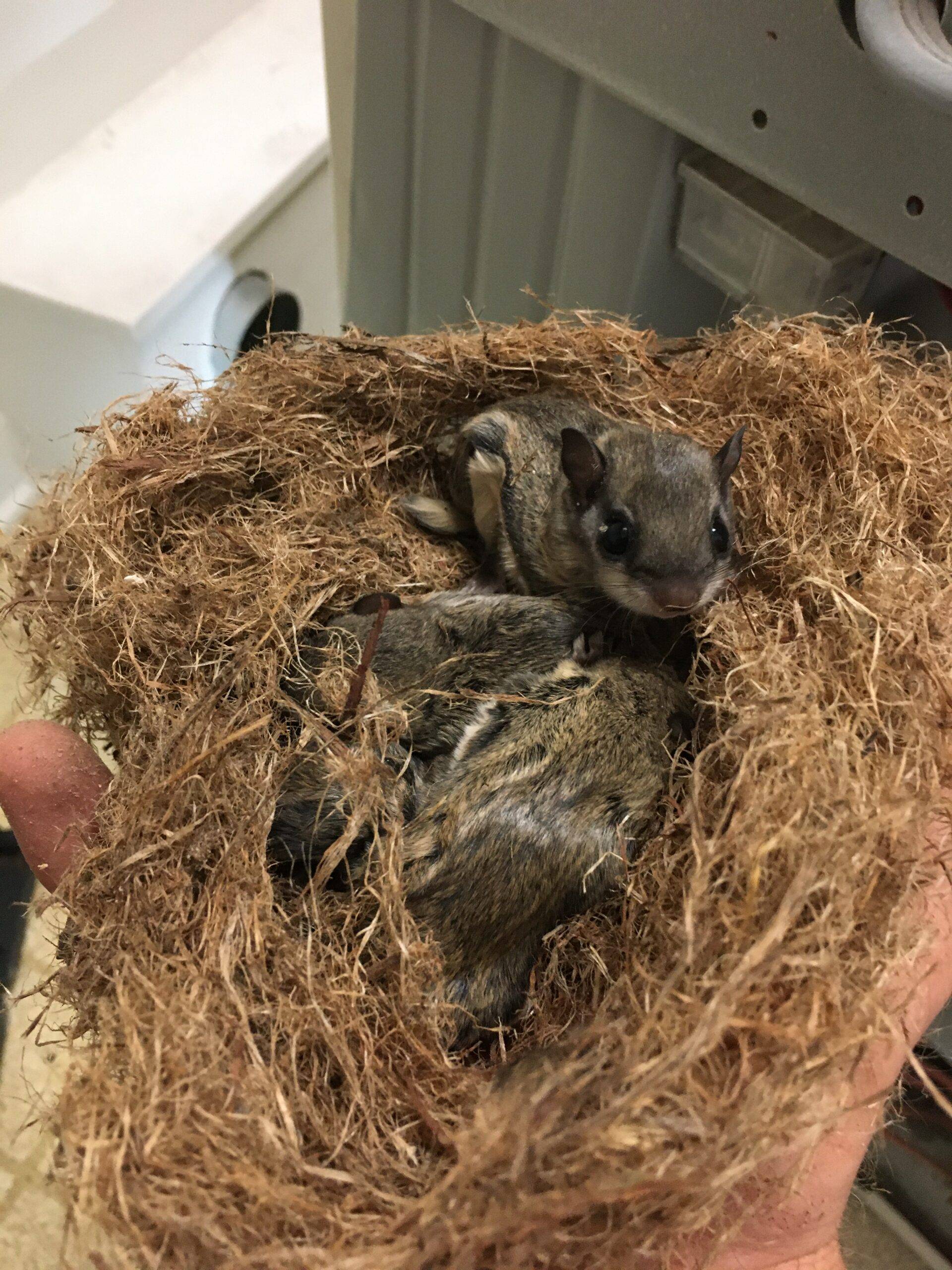
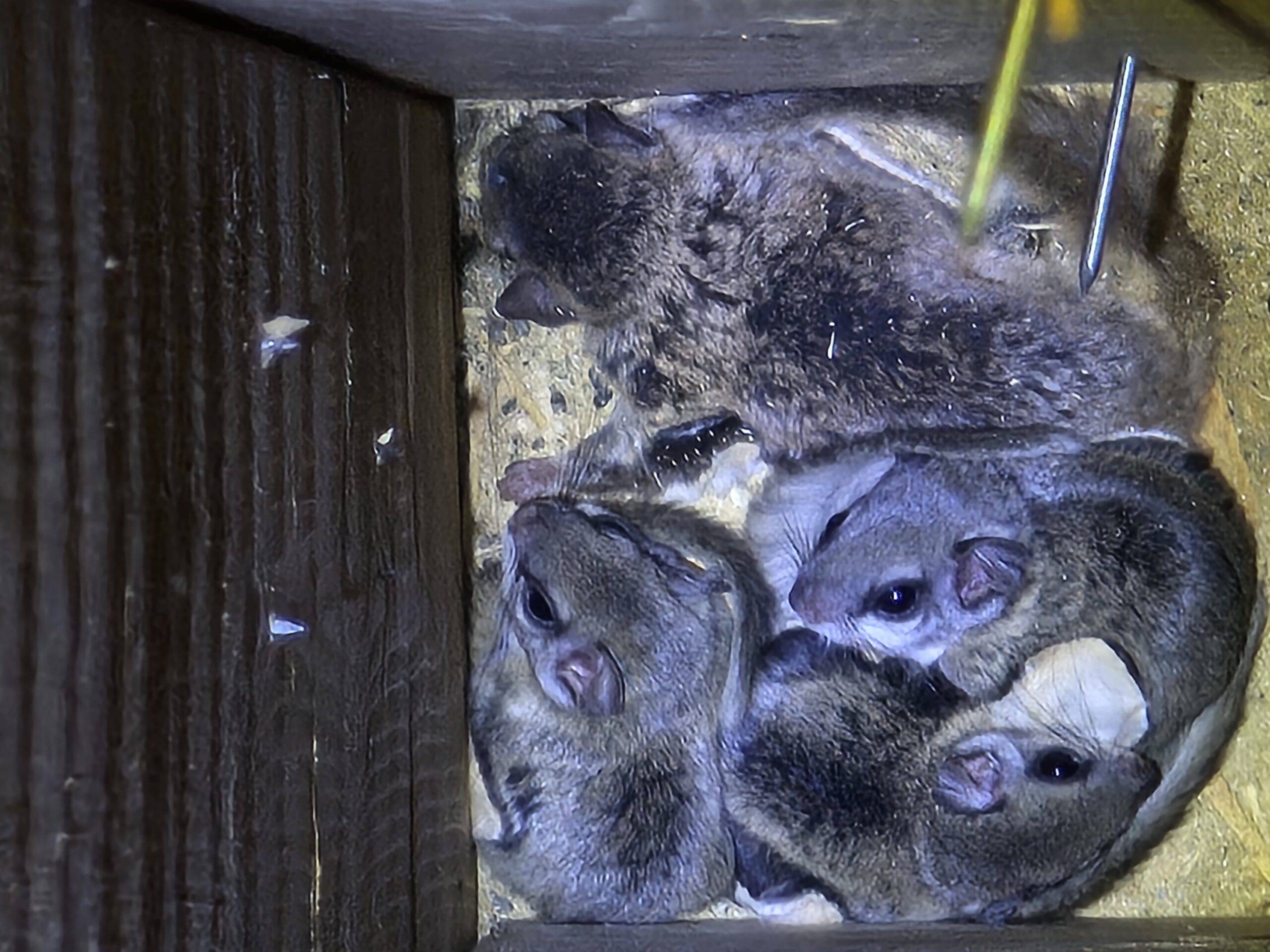
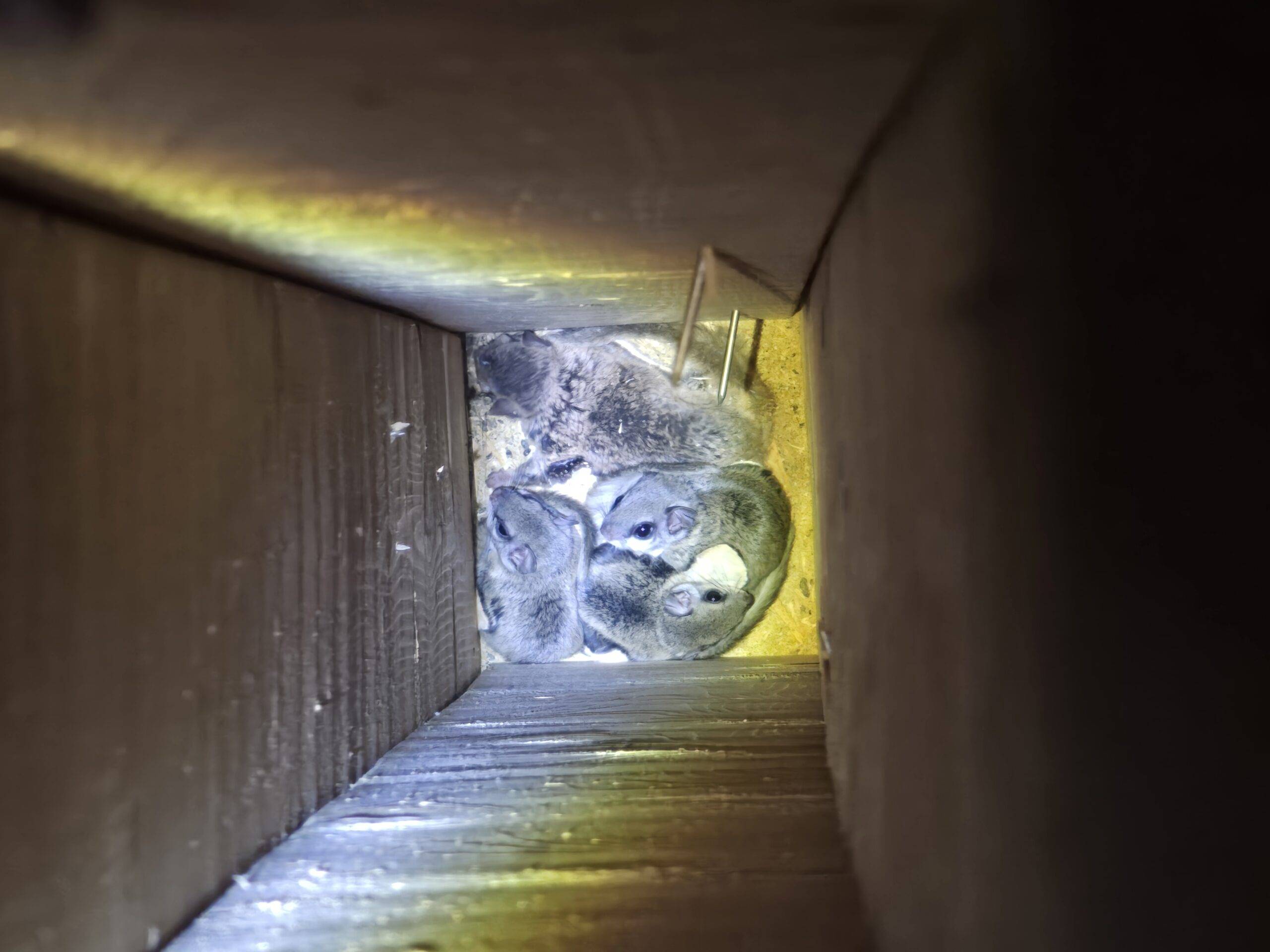
Flying squirrels never enter a home alone. They are colonial animals, and a single attic can hold a dozen or more at one time. The longer a colony stays, the worse the contamination and wiring damage becomes. We provide free flying squirrel inspections for Garner residents.
Our Garner wildlife removal services cover all of the Garner, North Carolina area and surrounding Wake County communities. Garner sits between Lake Benson, the 96 acres of mature forest at White Deer Park, and the 826-acre Clemmons Educational State Forest along the Johnston County line. That concentration of hardwood canopy gives flying squirrels plenty of tall oaks and hickories to glide from directly onto residential rooftops.
Triangle Wildlife Removal is a licensed and insured wildlife control company with $5 million in general liability coverage. We are NWCOA members and the exclusive animal removal provider endorsed by Wildlife Welfare Inc., a 501(c)(3) based in Apex, North Carolina.
Property Damage From Flying Squirrels in Garner
A flying squirrel colony saturates attic insulation with urine and droppings fast. Within a few weeks the insulation loses its thermal value, and the contamination spreads as animals shift nesting locations throughout the space.
Electrical wiring damage is the biggest concern. Flying squirrels chew through wire insulation the same way other rodents do, and bare copper sitting in dry fiberglass is a serious fire hazard. We document chewed wiring on a large share of our flying squirrel jobs and always recommend a licensed electrician when we find it.
Colonies also shred HVAC ductwork, pull apart vapor barriers, and widen their entry holes by gnawing at soffit and fascia material. The National Park Service flying squirrel species profile describes how these animals roost in large communal groups, which is why the damage inside an attic adds up so quickly.
Flying Squirrels in Garner, NC
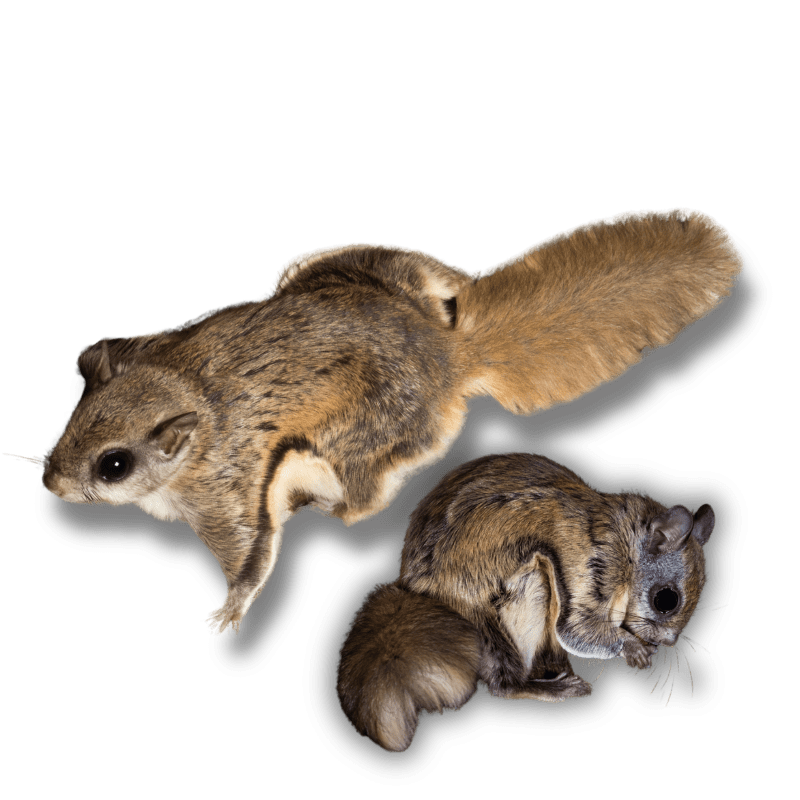
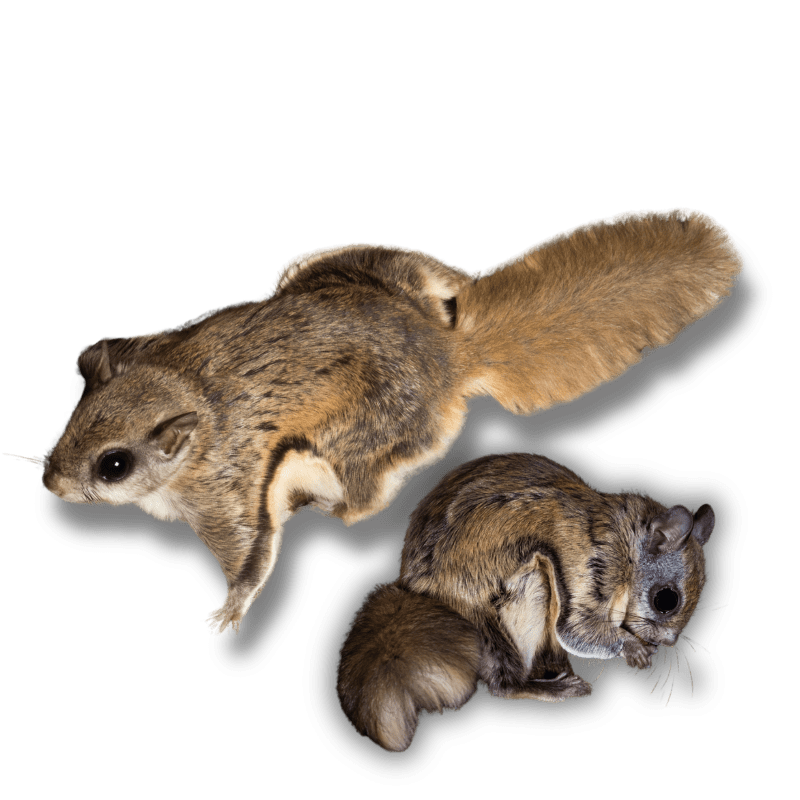
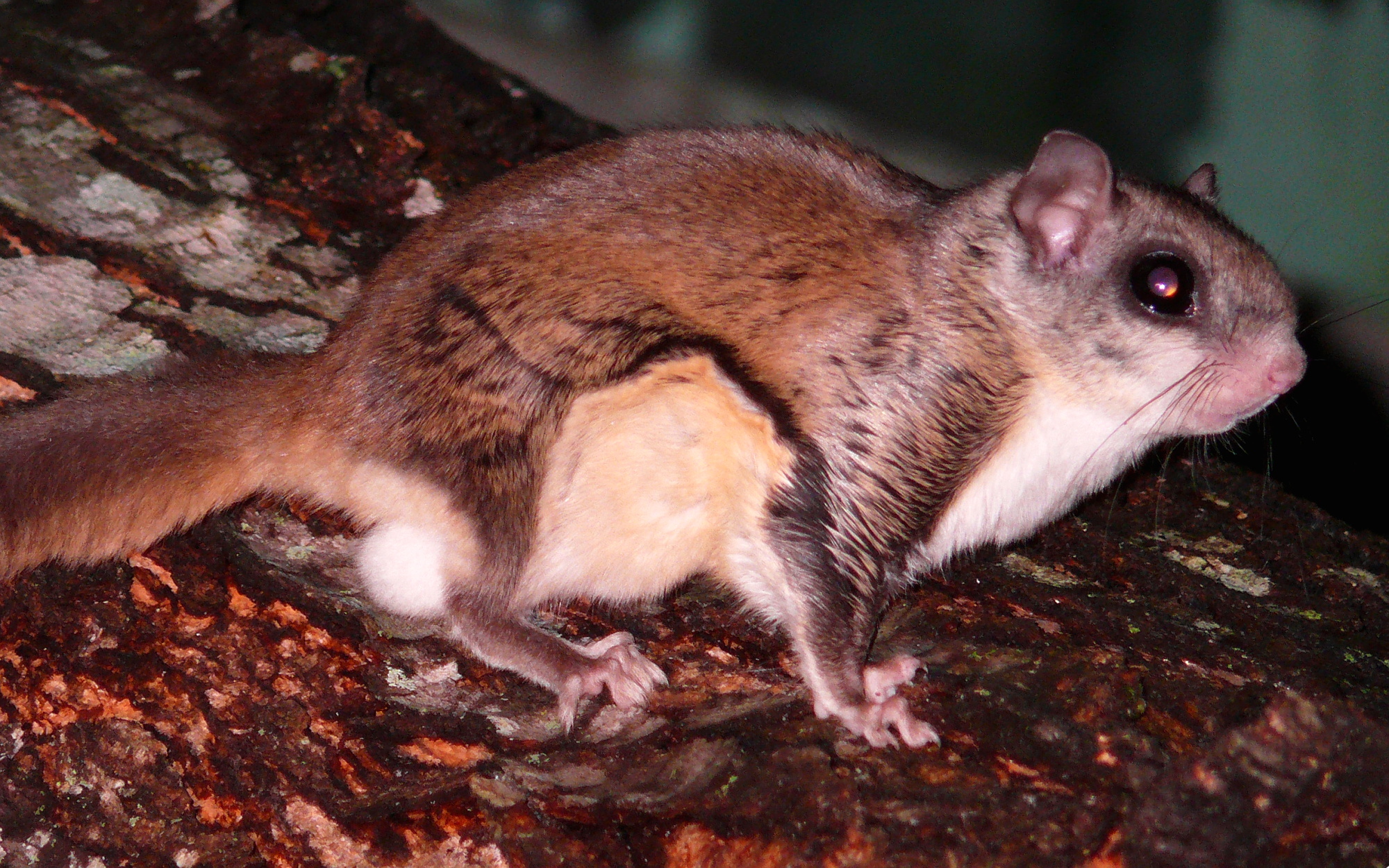
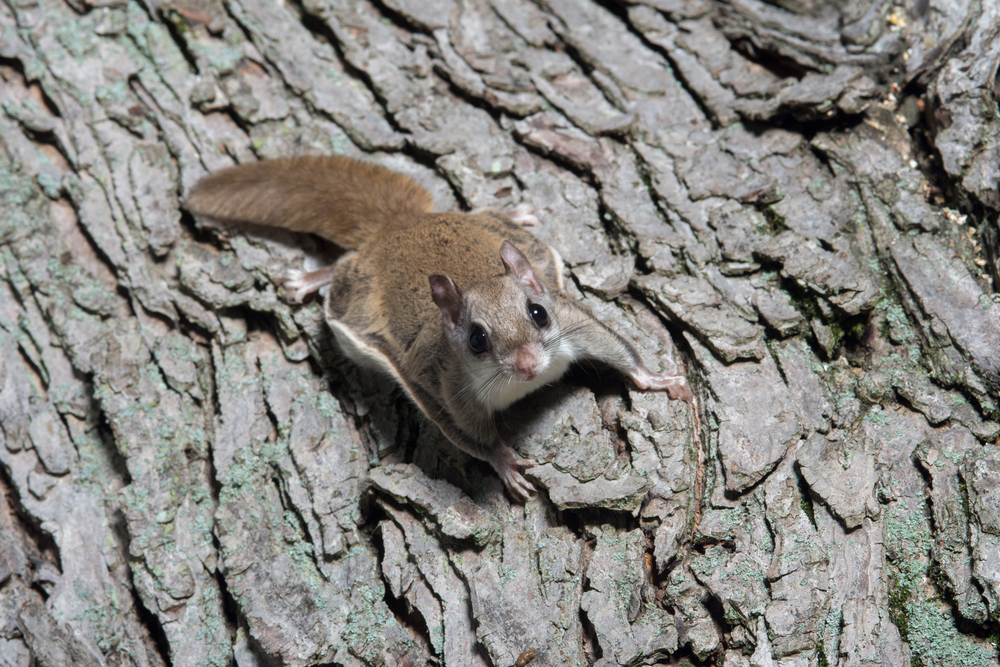
The southern flying squirrel is the species responsible for attic infestations in Garner NC. They are completely nocturnal, which is why most people hear scratching and running overhead at night but never actually see the animals. They are also small, roughly the size of a chipmunk, and can fit through a gap as narrow as 1.5 inches.
Flying squirrels glide rather than fly. A fold of skin between their front and back legs acts as a parachute, letting them cover 150 feet or more from a tall tree to a rooftop. The mature hardwoods surrounding Lake Benson and White Deer Park, along with the established tree canopy in Garner’s older neighborhoods, give these animals direct launch paths onto nearby homes.
Colonies move into attics primarily from late fall through winter as temperatures drop and they search for warm communal den sites. They breed in late winter and again in early summer, so a group that enters your attic in November can produce a litter by February. Without intervention, the population inside a home grows quickly.
Because flying squirrels are nocturnal and so much smaller than gray squirrels, a homeowner almost never catches sight of one. The noise after dark and the mess in the attic are usually the only clues, which is why a professional inspection is the best way to confirm the problem.
Signs of Flying Squirrels in Your Home
Flying squirrels leave distinct evidence that separates them from other nuisance wildlife in your attic.
- Rapid scratching and running after dark. The sounds typically begin between 9 PM and midnight and return just before sunrise. They are lighter and quicker than what gray squirrels or raccoons produce.
- Tiny, rice-sized droppings. Flying squirrel droppings are small and dark, and they pile up near nesting spots. Heavy accumulations mean the colony has been present for several weeks or more.
- Sharp, musty smell from the ceiling or attic. Concentrated urine from a large group soaks into insulation and creates a strong odor, especially on warm days when heat amplifies it.
- Tight gaps along the roofline. Check soffit-to-fascia seams, gable vents, and joints where different building materials meet. Flying squirrels exploit openings that look far too small to matter.
- Shredded or flattened insulation. Flying squirrels tear apart fiberglass batts to build nests. Insulation that appears matted down, pulled apart, or displaced in patches is a strong indicator of colonial nesting activity.
Flying Squirrel Removal and Exclusion
Every Garner, NC flying squirrel removal job begins with a thorough inspection of the roofline, soffits, fascia, gable vents, and every other potential entry point. Our staff zoologist Derek Cline, with 15 years of field experience, oversees these inspections because flying squirrel access points are small and easy to overlook without specialized training.
After we identify every active and potential opening, we place traps at the entries the colony is using. All flying squirrels are trapped humanely and removed from the property in full compliance with North Carolina pest control and wildlife regulations.
Exclusion is the most critical step. We seal every gap using steel, hardware cloth, and metal flashing so nothing a flying squirrel can chew through remains. Flying squirrels are persistent colonial nesters that will return to the same structure season after season if any entry stays open, a pattern confirmed by the Connecticut DEEP flying squirrel fact sheet.
Once the colony has been removed and the home is fully sealed, we take care of cleanup and restoration. That includes pulling out contaminated insulation, sanitizing the affected areas, and replacing insulation as needed. Our exclusion work is backed by a limited lifetime warranty.
Frequently Asked Questions
How can I tell if I have flying squirrels or gray squirrels?
Timing is the clearest difference. Gray squirrels are active during daylight hours, mostly in the early morning and late afternoon. Flying squirrels are nocturnal, so the scratching and scurrying begins after dark. Flying squirrel sounds are also lighter and faster. If the activity in your attic happens at night, flying squirrels are the most likely cause.
Why do flying squirrels show up in such large numbers?
Flying squirrels are communal animals that den together for warmth, especially during fall and winter. One small opening gives the entire colony access. It is common for us to find 15 or more flying squirrels sharing a single attic on jobs we handle in Wake County.
How long does the removal process take?
Most flying squirrel removal jobs run one to two weeks from the initial inspection through final sealing. The trapping timeline depends on the size and activity level of the colony, but we schedule exclusion and damage repair as soon as the attic is cleared.
Are flying squirrels a health risk?
Southern flying squirrels are a documented carrier of epidemic typhus in the southeastern United States. Their droppings and urine in an enclosed attic also promote bacterial growth. For most homeowners the primary concern is the contaminated insulation, which we remove and replace as part of our cleanup after the colony is gone.
What other wildlife control services do you offer in Garner, NC?
Triangle Wildlife Removal also provides Garner bat removal, Garner squirrel removal, Garner raccoon removal, Garner rodent control, Garner snake removal, Garner bird control, and Garner wildlife exclusion across Garner NC.
Our Wildlife Removal Services
Triangle Wildlife Removal handles every step from inspection through removal, exclusion, damage repair, and attic restoration. Below are the most common wildlife problems we solve in Raleigh homes.
Bat Removal
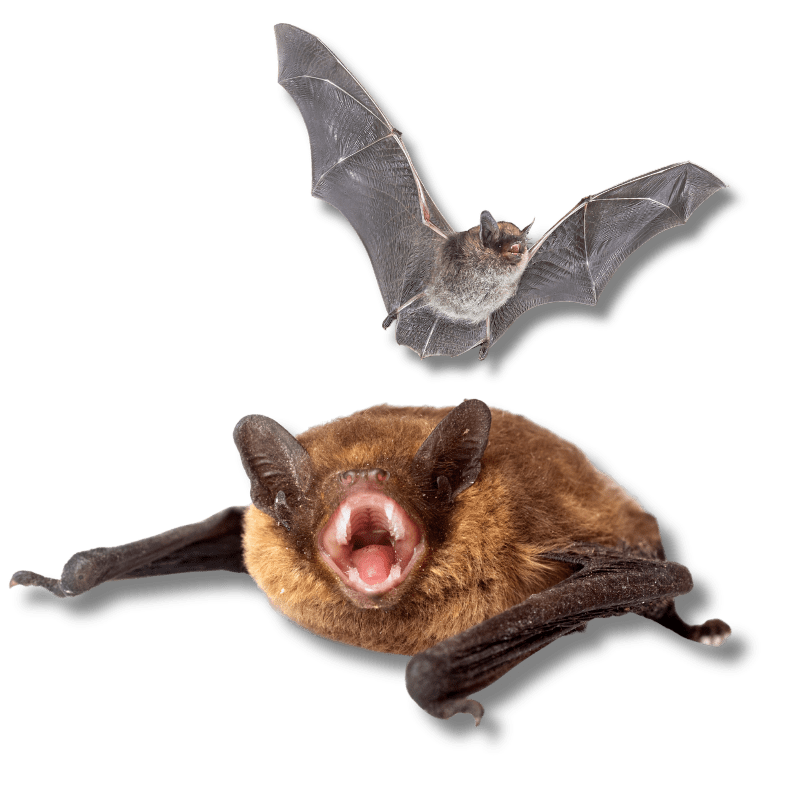
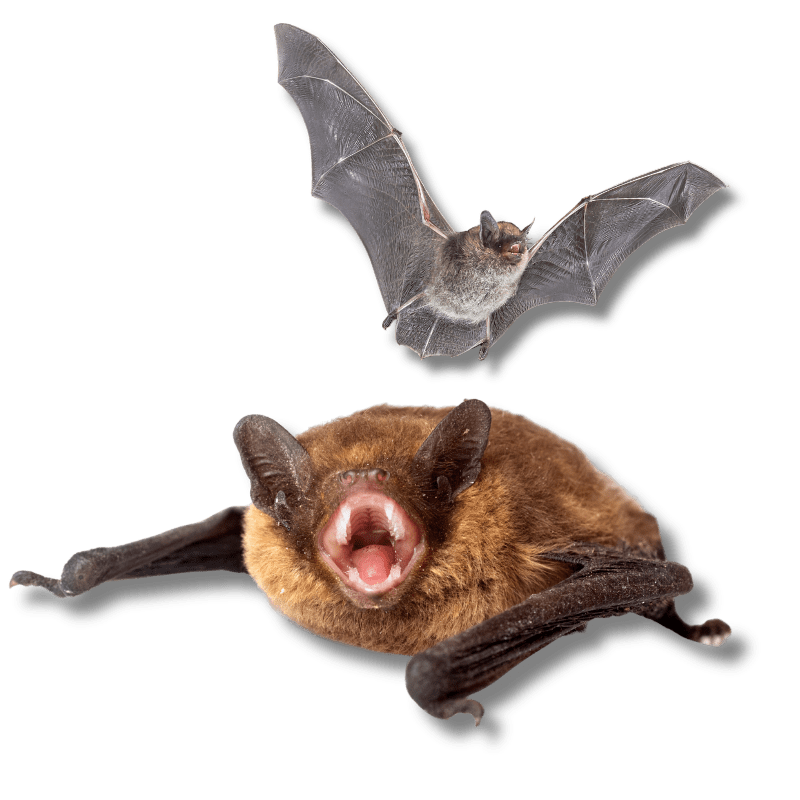
Bats in your attic create health hazards from guano buildup and carry rabies risk. We perform full exclusion using one-way doors during the legal window of August through April, then seal every entry point on the structure.
Flying Squirrel Removal
Flying squirrels enter attics through gaps as small as a quarter and are most active at night during cold months. We trap, remove, and seal every construction gap at the roofline to keep them out permanently.
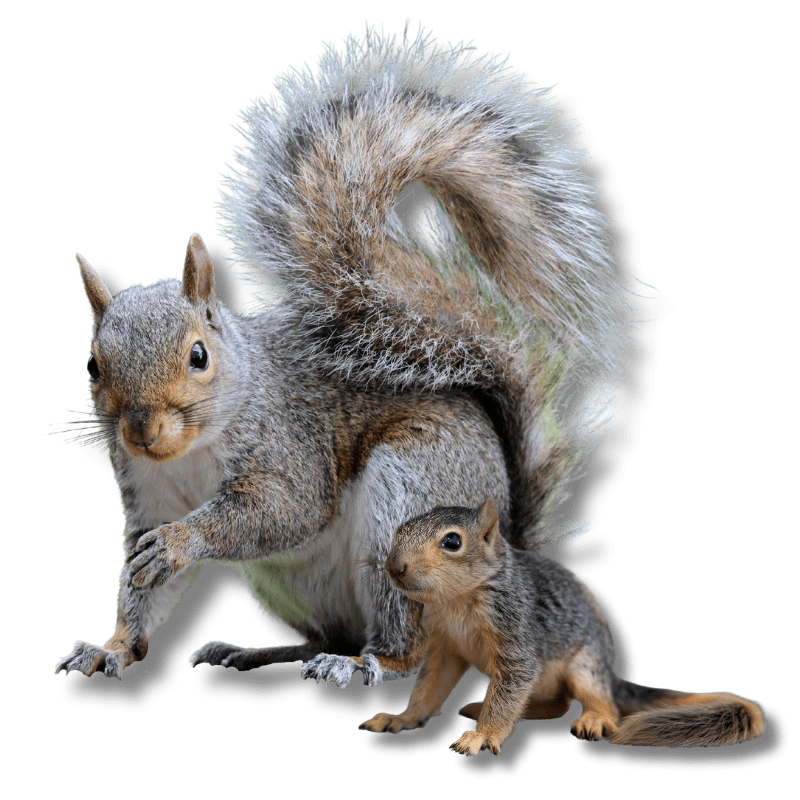
Squirrel Removal
Gray squirrels chew through fascia, soffits, and wiring to nest in attics, creating fire hazards and structural damage. We remove active squirrels with live traps and exclude them by sealing every entry point on the structure.
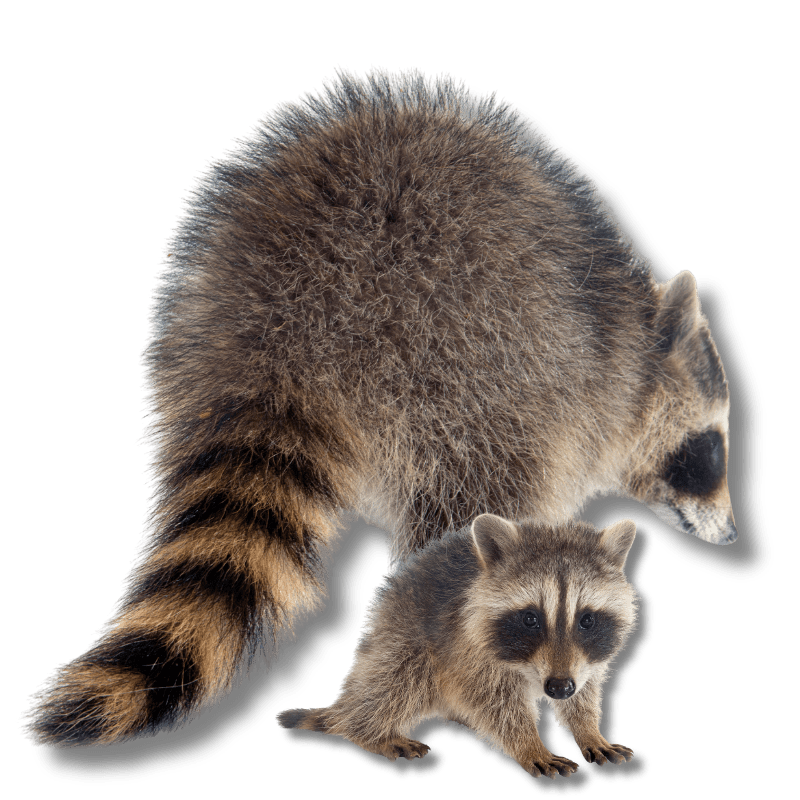
Raccoon Removal
Raccoons tear open soffits, rip through roof decking, and contaminate attic insulation with feces carrying raccoon roundworm. We trap and remove raccoons humanely, repair the damage they caused, and seal the structure to prevent re-entry.
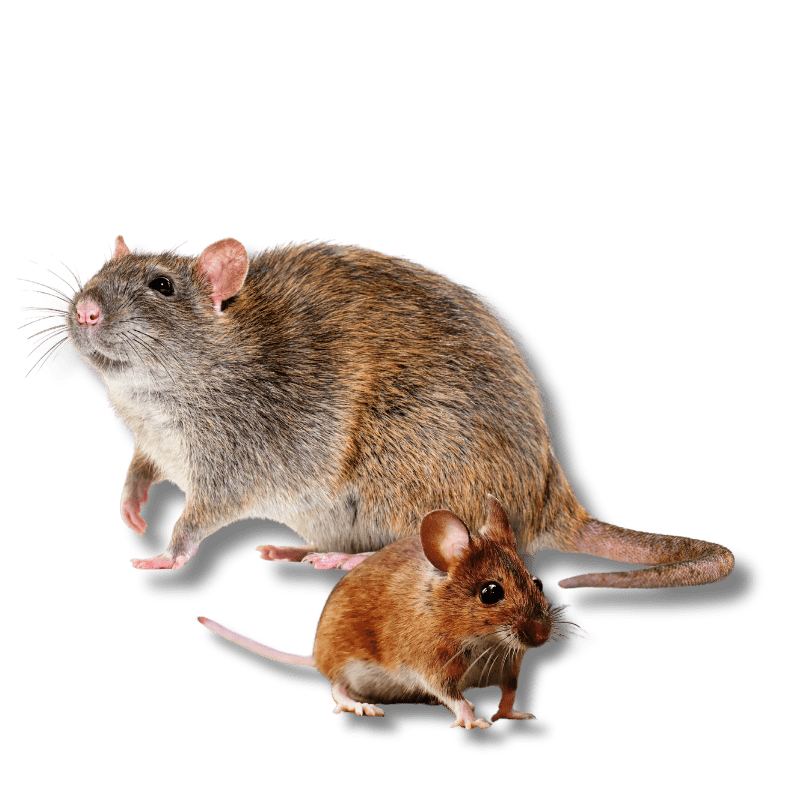
Rodent Control
Rats and mice enter through pipe chases, A/C line penetrations, and foundation vents, contaminating insulation and chewing wiring. We trap and remove active rodents inside the structure and seal every exterior entry point to stop the cycle.
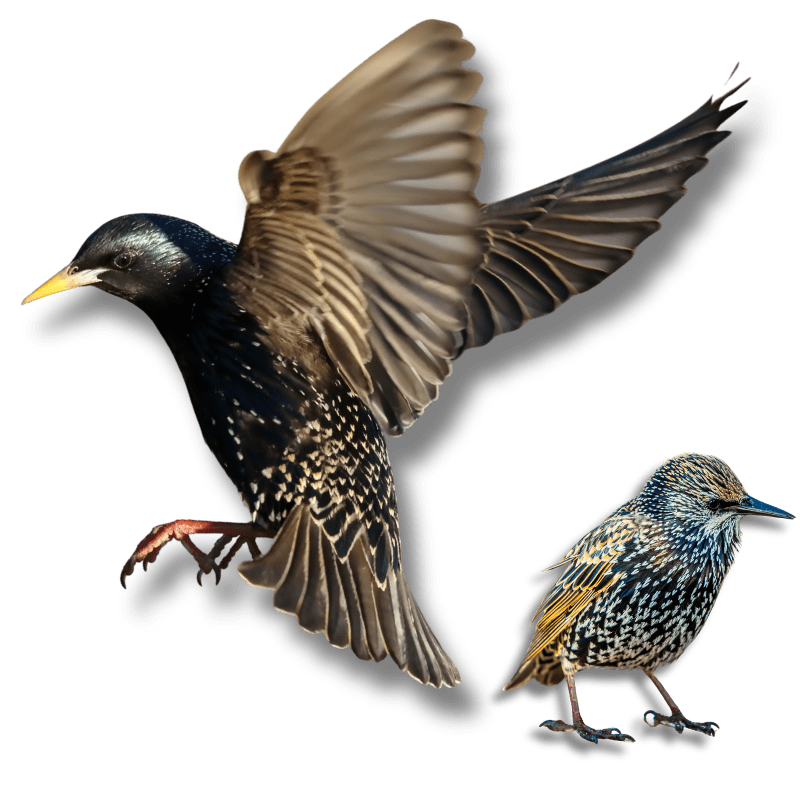
Bird Control
European starlings and house sparrows nest inside exhaust vents, dryer vents, and attic spaces, blocking airflow and creating fire hazards. We remove nesting material, install bird-proof vent covers, and clean contaminated ductwork.
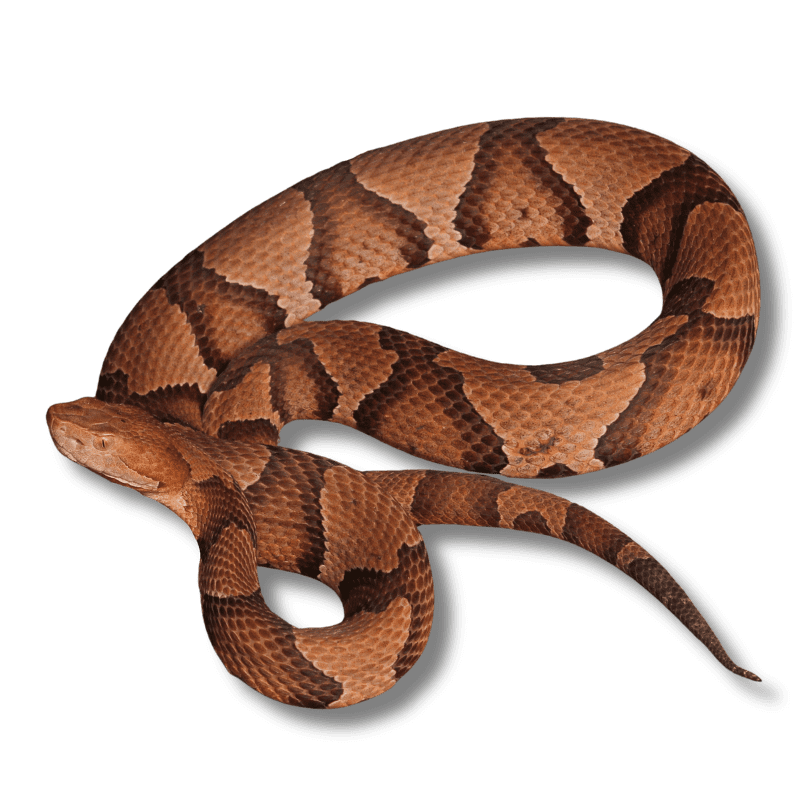
Snake Removal
Snakes enter crawlspaces, garages, and basements through foundation gaps and pipe penetrations. We safely remove the snake, identify the species, and seal entry points to keep them from coming back.
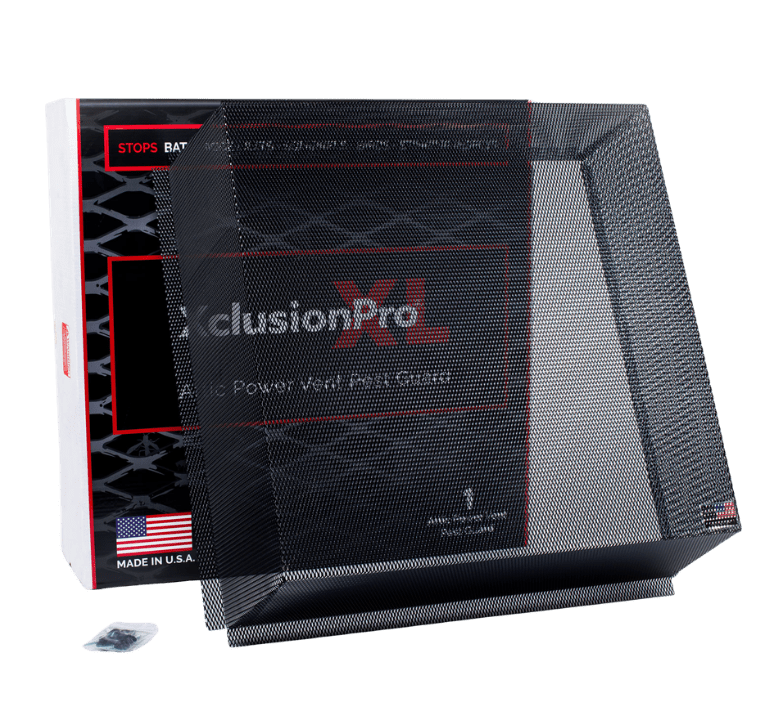
Wildlife Exclusion
Wildlife exclusion seals every vulnerable opening on your home to prevent animals from getting in. We inspect the full structure, identify active entries and potential weak points, and install commercial-grade barriers backed by a limited lifetime warranty.
Why Homeowners Choose Triangle Wildlife Removal
Flying squirrel removal has been a core part of our work since Tad Bassett founded this company in 1990. He's been running it full-time since January 1996 and still answers the phone himself. That kind of continuity is rare in this industry, and it's a big part of why customers keep calling back. In a detailed expert interview published by the Regency Park Partnership, a community resource serving over 244,000 Nextdoor neighbors across the Triangle, Tad covered everything from seasonal wildlife behavior and NC regulatory requirements to attic damage risks and homeowner prevention tips.
All technicians on our team are Ridge-Guard Certified, Bird Barrier Certified, and certified in advanced metal fabrication for flying squirrel exclusion and damage repairs. Triangle Wildlife Removal is the largest installer of Ridge-Guard on the East Coast, a distinction the company has held for approximately five years. Ridge-Guard is one of the most effective tools for sealing ridge vents, one of the most common entry points flying squirrels exploit to access attic spaces. Every flying squirrel exclusion job is backed by a limited lifetime warranty - if flying squirrels get back through a sealed entry point, we come back to address it at no charge.
Our Garner Service Areas
We service the entire Triangle area of North Carolina
We offer flying squirrel removal services to homes in Garner, NC and the neighborhoods and communities of Meadowbrook, Southern Trace, Staunton Meadows, Summers Walk, Avery Park, Brownstone Village, Penwyck Estates, Scarborough Ridge, Turner Farms, Heather Hills, Heather Woods, and Heather Ridge. Our service stretches from the White Oak Crossing area along US-70 across to the Cleveland and Bethel communities near NC-42.
Our Industry Credentials
Triangle Wildlife Removal operates under NC Wildlife Control Agent Permit #DCA25000312, verifiable through the NC Wildlife Resources Commission WCA directory, and NC Pest Control License #1778 PW, verifiable through the NC Department of Agriculture license search. The company is an active member of the National Wildlife Control Operators Association and holds NWCOA Bat Standards Certification, the wildlife control industry's professional standard for bat exclusion work. All technicians are Ridge-Guard Certified Installers and Bird Barrier Certified, with additional certification in advanced metal fabrication for wildlife exclusion and structural damage repairs.
Homeowners can read field-level reviews of our Raleigh wildlife removal work on Yelp. Every employee passes a background check before hiring, with annual criminal and sexual predator screenings standard across the company.


Customer Testimonials


John T.
Vickie B.
Stephanie B


Triangle Wildlife Removal received an average rating of 4.7 out of 5 stars

based on 199+ reviews.
Ready For FastSafeReliable Flying Squirrel Control?
You do not have to live with flying squirrels in your home. Triangle Wildlife Removal offers same-day and 24/7 emergency service across the Triangle with a limited lifetime warranty on all exclusion work.
4.8 stars across 400+ reviews | NWCOA Bat Standards Certified | Guaranteed Wildlife Exclusion