
Chapel Hill, North Carolina – General Information
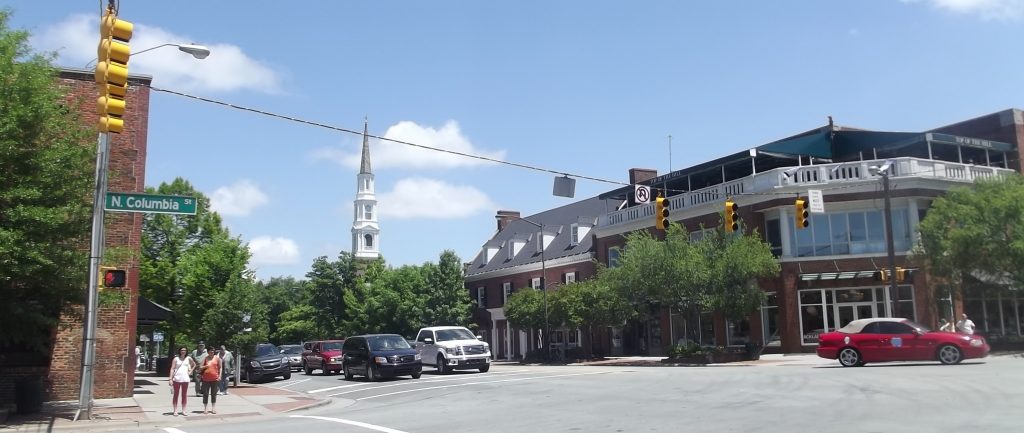
 Chapel Hill is a vibrant town in Orange County with a population of approximately 65,000 residents as of 2025. Located in the Piedmont area of North Carolina, Chapel Hill forms part of “The Triangle” or “Research Triangle,” along with the nearby city of Raleigh and Durham. The area is centered around three major universities: the University of North Carolina at Chapel Hill (UNC), North Carolina State University, and Duke University.
Chapel Hill is easily accessible via major highways including Interstate 40, US Highway 15-501, and NC Highway 54. These corridors connect residents to Durham, Raleigh, and Research Triangle Park, making Chapel Hill a central hub in the Triangle area. The town sits just minutes from I-40 exits 270 and 273, providing convenient access for commuters and travelers.
About Chapel Hill, North Carolina
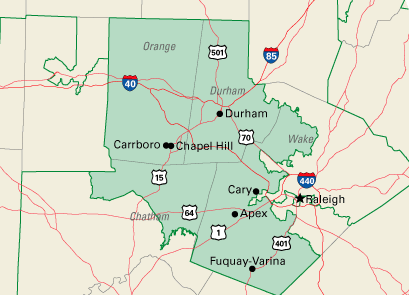
Location and Environment
The natural environment in Chapel Hill is vibrant and beautiful, with clean air and mild weather throughout most of the year. Chapel Hill, NC makes the most of these conditions with numerous bike tracks, walking trails, and an extensive greenway system spanning over 82 miles. The town takes excellent care of the local environment and ensures it remains well preserved. This commitment to environmental awareness is even represented by the green on the town flag. Nearby communities include Garner, North Carolina and Carrboro.
The History of Chapel Hill
English and Scottish migrants settled the area in the early 1700s. The town itself was founded around the UNC campus in 1819, which remains a cultural centerpiece today. Chapel Hill was officially chartered in 1851 and has grown steadily around the university ever since.
The famous Chapel Hill Transit system was established in 1974 with help from the town’s first African-American mayor, Howard Lee. In 2002, the transit system became free for all intra-city travel, making it one of the few completely fare-free public transportation systems in the United States. If you need professional Chapel Hill wildlife removal, our experienced team is ready to help.
Demographics and Community Profile
The median household income in Chapel Hill is $85,825, with an average household income of $142,473. The poverty rate stands at 19.6%, largely due to the large student population. The median age is just 25.8 years, reflecting the town’s status as a college community.
The racial composition includes 66.7% White, 13.2% Asian, 10.9% Black or African American, and smaller percentages of other ethnicities. Chapel Hill is recognized as the most educated municipality in North Carolina, with 76.9% of adults holding bachelor’s degrees and 48.2% holding graduate or professional degrees. The population density is approximately 2,710 people per square mile across the town’s 21.1 square miles.
Comprehensive Wildlife Control Services
Our team provides professional wildlife management solutions throughout Chapel Hill neighborhoods, from established communities like Meadowmont and Southern Village to areas near downtown along Franklin Street and developments in Winmore and Glen Lennox. We serve properties near major corridors including Fordham Boulevard (US 15-501), Columbia Street, and Martin Luther King Jr. Boulevard.
Services Available in Chapel Hill, North Carolina:
- Chapel Hill NC Squirrel Removal Company
- Chapel Hill NC Raccoon Trapping Services
- Chapel Hill NC Bat Extraction Service
- Chapel Hill NC Rat Control Services
- Chapel Hill NC Snake Removal Company
- Chapel Hill NC Wildlife Exclusion Service
- Chapel Hill NC Opossum Removal Company
Wildlife activity is common throughout Chapel Hill due to the town’s mature tree canopy, proximity to natural areas, and extensive greenway system. Animals including raccoons, squirrels, bats, and snakes frequently seek shelter in homes and businesses, particularly in older neighborhoods with mature landscaping near UNC and in communities like Timberlyne, The Oaks, and Greenwood.
Whether you live in North Chapel Hill near The Northside, South Chapel Hill in neighborhoods like Chancellors Ridge and Hundred Oaks, or West Chapel Hill near Carrboro, we provide prompt, professional wildlife solutions. Our technicians understand local wildlife behavior and deliver humane, effective removal services throughout Orange County.
Local Culture and Community
College Town Atmosphere
The UNC campus features beautiful grounds and architecture along with successful college sports teams, making it a point of pride for residents. Chapel Hill North Carolina embodies the definition of a college town. University colors are commonly worn on clothing and displayed in stores, and college sports are followed with great enthusiasm throughout the community.
As expected from a town centered around a major university, Chapel Hill is the most educated municipality in North Carolina and is recognized for having some of the best schools in the state. The Chapel Hill-Carrboro City School District consistently ranks among the top school systems in North Carolina, with three excellent high schools serving the community. The town’s politics tend to have a liberal perspective, which is common with college towns, despite most of North Carolina leaning conservative.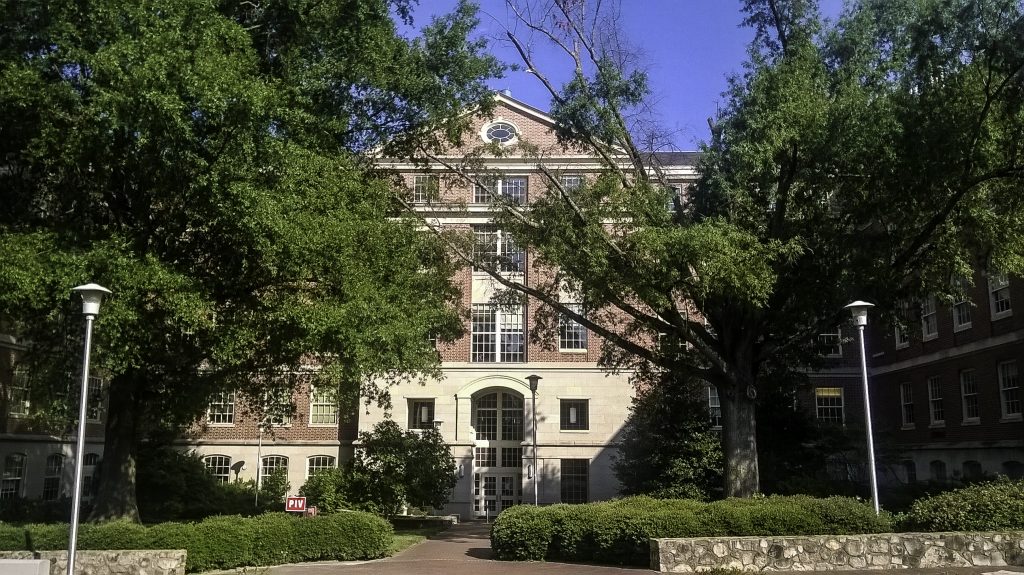
Despite a population of approximately 65,000 people, Chapel Hill maintains a small-town atmosphere while serving as a cultural hub. The community is known for its casual, welcoming environment where people of all backgrounds feel comfortable being themselves.
Major Attractions and Points of Interest
Public transportation is free and readily accessible in Chapel Hill, making it easy to travel throughout town and visit local attractions.
University of North Carolina Campus
The centerpiece of Chapel Hill is the historic University of North Carolina campus, the nation’s first public university. The campus contains famous historical buildings, art galleries, and sporting venues. It serves as the heart of the town’s culture and represents a must-see destination for any visitor. The campus grounds blend seamlessly with surrounding neighborhoods, particularly near Meadowmont and areas along South Columbia Street.
Memorial Hall
At the center of the UNC campus sits Memorial Hall, which offers world-class performances of dance, theatre, opera, and symphonies. The venue often hosts performances from famous and well-respected actors and musicians. Memorial Hall also hosts regular lectures from influential speakers on a wide range of topics, contributing to the intellectual atmosphere of the community.
Dean E. Smith Center
The Dean E. Smith Center, often called “The Dean Dome” by locals, is a basketball arena named after a legendary former player and coach. Located on the UNC campus, it serves as home to the extremely successful men’s college basketball team, The Tar Heels. The arena is open to the public and provides an excellent way to experience the enthusiasm surrounding the town’s signature sporting events.
Carolina Basketball Museum
The Carolina Basketball Museum is located near the Dean Dome and houses over a century of basketball history from the Tar Heels team and players, including NBA legend Michael Jordan. Admission is free, and the museum provides an excellent window into the town’s history and sporting culture.
Morehead Planetarium and Science Center
The Morehead Planetarium and Science Center was the first planetarium built on an American college campus. The center features shows, exhibits, science programs, and special activities throughout the year. The facility holds significant historical importance, as it served as a training location for astronauts including those on the famous Apollo 11 mission.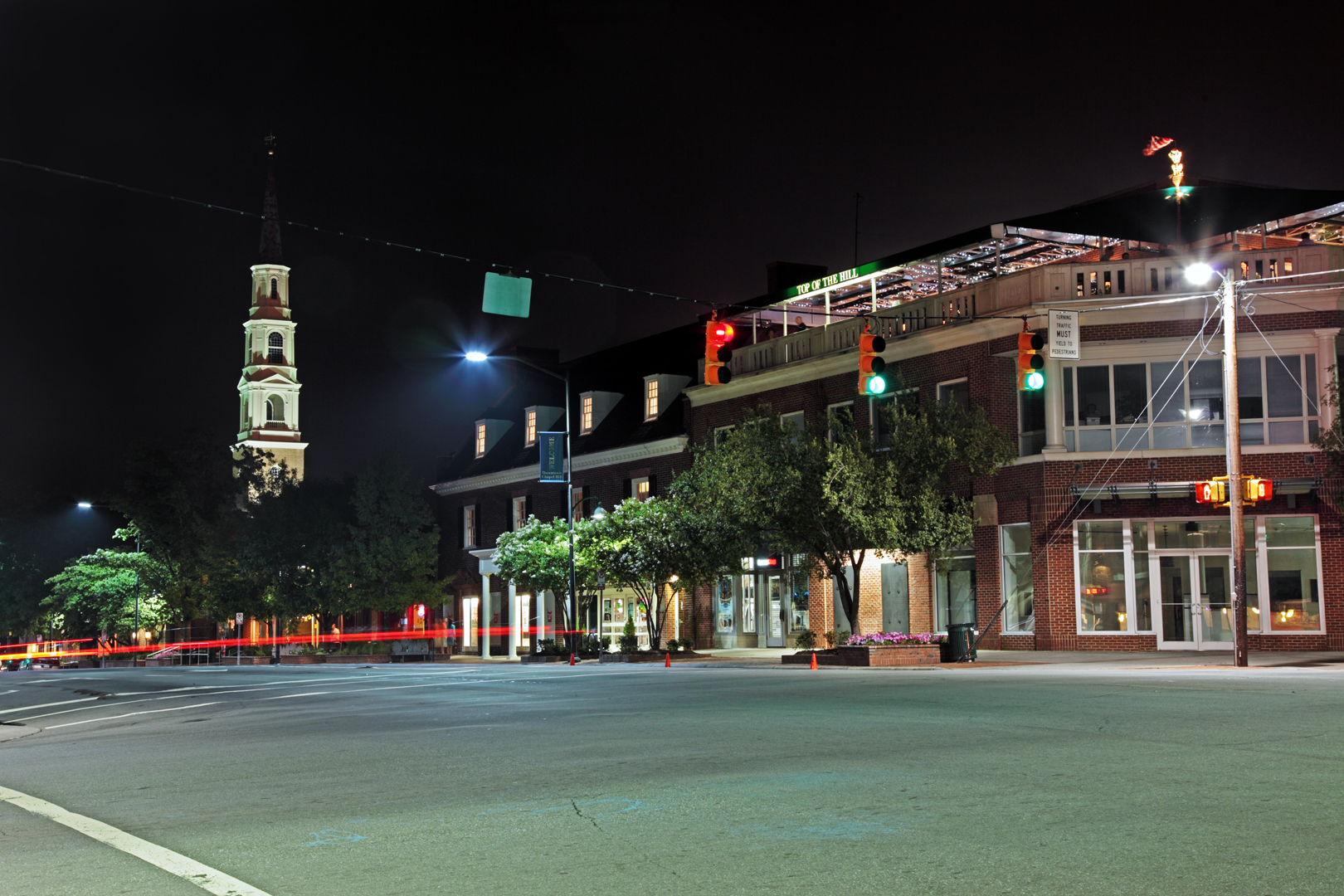
Franklin Street
Franklin Street serves as Chapel Hill’s main street and downtown corridor. Just outside the campus, Franklin Street features numerous bars, galleries, restaurants, cafes, and venues offering live music. This vibrant area represents the heart of the town’s arts and culture scene, attracting students, residents, and visitors year-round. Franklin Street intersects with Columbia Street, which runs south through the UNC campus toward Chatham County and north as Martin Luther King Jr. Boulevard toward I-40 and Hillsborough.
North Carolina Botanical Garden
Located approximately two miles from Franklin Street, the North Carolina Botanical Garden showcases the natural beauty of Chapel Hill and the surrounding Piedmont area. The garden features hiking trails winding through picturesque landscapes and displays much of the botanical diversity found throughout the area. The park provides a quiet place to relax and enjoy the outdoors while learning about native plants and ecosystems.
Nearby Attractions
Chapel Hill’s proximity to Raleigh and Durham means residents and visitors enjoy easy access to additional activities and attractions throughout the Triangle area. The town sits approximately 30 minutes from both downtown Durham and downtown Raleigh via US 15-501 and I-40.
Neighborhoods and Communities
Chapel Hill features diverse neighborhoods, each with its own character and appeal:
Southern Village is a planned community developed in the 1990s that emphasizes walkable, sustainable living. The neighborhood features a horseshoe-shaped commercial district at its center, including shops, restaurants, a movie theater, and a grocery store. Residences include single-family homes, townhouses, and condominiums. The community is served by the highly rated Chapel Hill-Carrboro school system.
Meadowmont sits adjacent to UNC Chapel Hill, with the neighborhood and university grounds flowing together seamlessly. This master-planned community offers a village-like center with shops, restaurants, and the UNC Wellness Center. Meadowmont features extensive greenway trails, playgrounds, and walkable access to Rashkis Elementary School.
Downtown Chapel Hill offers unparalleled walkability to the UNC campus, restaurants, shops, and cultural venues along Franklin Street. This area attracts students, young professionals, and anyone who values urban amenities and easy access to university events.
Timberlyne covers much of North Chapel Hill and is home to both UNC and Duke University professors. The neighborhood features tree-lined streets and a mix of housing styles.
Greenwood was developed in the 1930s by playwright Paul Green as a special place for artists and intellectuals. The neighborhood features beautiful wooded lots of at least one acre and has been designated as a Neighborhood Conservation District.
The Northside represents one of Chapel Hill’s historic African-American neighborhoods with a strong sense of community and cultural heritage.
Glen Lennox features tree-lined streets and brick apartments, offering convenient access to campus and downtown amenities.
Wildlife Management Needs in Chapel Hill
The mature tree canopy, extensive greenway system, and proximity to natural areas throughout Chapel Hill create frequent interactions between wildlife and residents. Common wildlife concerns include:
Raccoons frequently nest in attics and crawl spaces throughout Chapel Hill neighborhoods, particularly in older homes with mature landscaping. These animals can carry rabies and raccoon roundworm (Baylisascaris), creating serious health risks for families and pets. Professional removal and exclusion protect homes from these threats.
Bats often roost in attic spaces and wall voids, especially in historic buildings near the UNC campus and in established neighborhoods like Greenwood and Lake Forest. Accumulated bat droppings can harbor Histoplasma capsulatum, the fungus that causes histoplasmosis. Professional bat exclusion ensures safe removal while preventing future entry.
Squirrels cause significant damage when they nest in attic spaces, chewing through wiring, insulation, and structural components. These animals are especially active in neighborhoods with mature trees like those found throughout Meadowmont, Southern Village, and areas near Eastwood Lake.
Snakes, while generally beneficial for controlling rodent populations, can alarm property owners when discovered near homes or in garages. Most snake species in the Chapel Hill area are non-venomous, but professional identification and removal provide peace of mind.
Rodents including rats and mice enter homes seeking food and shelter, particularly during colder months. These animals can contaminate food, damage property, and spread diseases through their droppings and urine.