
Serving The Triangle Area Since 1990!
Local Service Page Prompt Wildlife Removal
Are you in need of Local Service Page Prompt wildlife removal? Triangle Wildlife Removal & Pest Control, Inc. has handled Local Service Page Prompt’s nuisance animal removal needs since 1990. Owned and operated by Tad Bassett, who holds a B.S. in Fisheries and Wildlife Management from NC State University and a NC Wildlife Control Agent Permit #DCA25000312. Our team includes licensed wildlife control operators, a staff zoologist, and field operators with decades of experience in the Triangle area of North Carolina. We maintain a 4.7+ rating across 400+ Google reviews, a 4.9 star Angi rating, 150+ Nextdoor Favs and a BBB A+ rating with zero complaints.
Every animal proofing and wildlife exclusion job comes with a limited lifetime warranty on workmanship and materials. If animals return to a sealed entry point, we come back to fix it.
Triangle Wildlife Removal & Pest Control, Inc.
1913 Lost Cove Ln, Raleigh, NC 27603
Phone: (919) 661-0722
Hours: Monday - Sunday, 7:00 AM - 5:00 PM | 24/7 Emergency Service
NC WCA Permit #DCA25000312 | NC Pest Control License #1778 PW

Schedule An Inspection!
Click To Contact
FREE INSPECTIONS FOR FLYING SQUIRRELS AND BATS
Our Local Service Page Prompt Wildlife Control Services
Per-section length targets:
Overview section (Our [LOCATION] Animal Removal Services): 10-12 sentences, 170-200 words
Service sections – Bat, Flying Squirrel, Squirrel, Raccoon, Rodent, Snake: 10-12 sentences each, 170-200 words each
Wildlife Exclusion and Damage Repair: 10-12 sentences, 170-200 words
Stay within each section’s budget. Do not borrow words from one section to pad another.
Sentence count is the primary constraint. Count your sentences as you write. Each bullet item counts as one sentence. If you hit 12 sentences, stop – do not add a 13th even if the word count feels low. If you are at 10 sentences and the word count is in range, stop.
Section structure template (follow this rhythm for each species H2):
Opening paragraph: 2-3 sentences establishing the problem (how the animal gets in, why it targets homes)
Bullet list: 4-5 items covering entry points, damage, health risk, removal method, exclusion
Closing paragraph: 1-2 sentences with the authority link placed at a factual claim
That structure naturally produces 10-12 sentences in the 170-200 word range.
Content formatting – scannable content:
Keep paragraphs short. One to two sentences per paragraph. One idea per sentence. Do not chain multiple facts into a single long sentence.
A new
tag is not just for visual spacing – it signals a new thought. If you have moved to a new idea, start a new paragraph.
Use a
- list when content is naturally enumerable: entry points, warning signs, damage types, or removal steps. Lists should have bold lead terms when each item needs a label. Do not convert flowing prose into bullets. Do not write a bullet that could have been a sentence. Each bullet item is one concise line – not a full paragraph stuffed into a list item.
- Entry points: ridge vents, soffits, fascia boards, chimney caps, gable vents
- Damage: contaminated insulation, torn ductwork, structural gaps widened over time
- Health risk: raccoon feces carry Baylisascaris roundworm eggs that survive in insulation for years
- Removal: live traps checked every 24 hours, nursing females handled carefully
- Exclusion: all structural entry points sealed after removal, guaranteed workmanship and materials
No emdashes. Use hyphens only.
No AI filler phrases. No marketing fluff.
Contractions, active voice, conversational tone.
Refer to field staff as technicians, wildlife control operators, or wildlife removal technicians – all interchangeable.
Do NOT mention free inspections. Triangle Wildlife Removal does not offer free inspections.
—
NO USELESS CONTENT
This is a local business website. The only visitors are local residents. Every sentence must provide value that a local homeowner does not already know.
Hard rules:
– Do not state geographic facts that every local resident already knows. “Raleigh is the state capital.” “Durham is located in Durham County.” “Cary is in Wake County.” These are worthless to local readers and look spammy. Google penalizes content that adds no new value.
– Do not describe landmarks, parks, or geographic features as tourism context. A Raleigh homeowner does not need to be told that Crabtree Creek exists.
– Geographic details are only useful when they explain WHY wildlife pressure exists – e.g., “Homes backing up to hardwood canopy along the greenway give raccoons a direct path to your roofline.” The geographic feature earns its place because it explains an animal behavior pattern, not because it fills space.
– Do not pad sections with neighborhood name lists. A neighborhood is mentioned only when it is tied to a specific wildlife pattern, housing characteristic, or construction detail that matters to the section topic. If you cannot explain why mentioning a neighborhood helps the reader, leave it out. Maximum two neighborhood mentions per section, and only when directly relevant.
– Every sentence must pass this test: would a 20-year wildlife removal professional say this to a homeowner standing in their driveway? If the answer is no, cut it.
—
SECTION CONTENT DISCIPLINE
Each section must immediately and directly address its heading topic.
Overview section (“Our [LOCATION] Animal Removal Services”):
This section is organized under three H3 subheadings. Each H3 gets 3-4 sentences. Total section: 10-12 sentences, 170-200 words.
3-4 sentences. Credentials NOT already in the hero: NWCOA membership, Wildlife Welfare endorsement, institutional clients, insurance, staff zoologist. Do not repeat anything from the hero (Tad’s name, degree, permit, founding year, team size, review counts, warranty, address, phone).
Include ONE geo-keyed Google Reviews link in this section. These are location-specific URLs that differ from the template’s Google Reviews link, so they are not duplicates. Use the geo-keyed URL from the link library that matches the target city. Anchor text: “[Location] wildlife removal reviews on Google” or similar descriptive text. target=”_blank” rel=”noopener”
What We Do
3-4 sentences. The core services: bat removal, flying squirrel removal, squirrel removal, raccoon removal, rodent control, snake removal, wildlife exclusion, and animal damage repair. This is the main focus of the section.
Where We Do It
3-4 sentences. The service area for this location. One or two geographic details that explain wildlife pressure are fine, but only if they explain an animal behavior pattern. No neighborhood lists, no tourism context, no facts locals already know.
The hero section IMMEDIATELY above this content already contains all of the following. Do NOT repeat any of it in the overview:
– Company name and founding year (1990)
– Tad Bassett’s name, degree, and WCA Permit #DCA25000312
– Team size (14-person)
– Review ratings and counts (400+ Google reviews, 4.9 Angi, A+ BBB)
– Warranty language
– Physical address, phone number, hours
– NC Pest Control License #1778 PW
Species H2 sections (Bat, Flying Squirrel, Squirrel, Raccoon, Rodent, Snake):
Each section is about that species: how it gets in, what damage it causes, what the removal process looks like, and what the health risks are. Nothing else.
Do NOT put any of the following in species sections:
– Company credentials (WCA permit, NWCOA, insurance, reviews, BBB rating)
– Employee names or spotlights
– Insurance figures
– Review counts or star ratings
– Institutional client lists
– Wildlife Welfare endorsement
– Regency Park Partnership mention
– Neighborhood name lists
The page template already contains all credential, review, and trust signals. Species sections are about the animals and the work.
Closing section (“Wildlife Exclusion and Damage Repair”):
This section covers exclusion work and structural damage repair only. H2 links to https://trianglewildliferemoval.com/wildlife-exclusion/. It does not introduce additional species or services beyond what exclusion and repair entail.
—
AUTHORITY LINK PLACEMENT RULES
Each H2 content section gets exactly ONE authority link (.gov, .edu, or established institutional source). The link supports a claim the sentence is already making. Every section discusses damage, disease, health risks, or animal behavior – place the link at whichever claim it naturally supports.
Correct pattern:
The sentence makes a factual claim about the animal, the disease risk, or the damage. The link lets the reader verify or learn more about that exact claim.
Example: “Raccoon feces carry Baylisascaris roundworm eggs that survive in insulation for years – the CDC overview of Baylisascaris raccoon roundworm details the exposure risks during attic cleanup.”
Wrong patterns:
– Standalone description of a website: “The NC State Extension guide to snakes in North Carolina covers identification of the six venomous species found statewide.” This is a sentence about a website, not about snakes.
– Topic pivot to place a link: “Triangle Wildlife Removal carries $5 million in general liability insurance. The CDC overview of Baylisascaris raccoon roundworm explains why contaminated insulation is a health risk.” Insurance has nothing to do with raccoon roundworm. Two unrelated ideas stitched together to force a link placement.
– Employee spotlight + link: “Nick Sullivan, a five-year wildlife control operator on our team, handles many calls for flying squirrels. The National Park Service flying squirrel species profile covers the communal denning behavior…” The employee name adds nothing, and the link sentence describes the source instead of making a claim.
– Trailing link dump: A closing paragraph or sentence added solely to accommodate a link that was not placed organically in the body.
If a link cannot be placed at a sentence that is already making the relevant claim, revise the body text so that claim appears naturally in the flow of the section. Do not add unrelated content to justify a link.
All authority links: target=”_blank” rel=”noopener”
Each URL used once per page maximum. Do not search for alternative URLs – use only what is in the authority link library below.
—
H2 HEADER AND ALT TEXT VARIATION
To avoid keyword stuffing, H2 visible text and image alt text must use different patterns from each other within the same section, and the patterns must be varied across sections so they are not all identical.
Available patterns (use a different one for each section, mixing the order):
Pattern A: [Location] [Species] Removal Services
Pattern B: [Location], NC [Species] Removal
Pattern C: [Species] Removal in [Location], NC
Pattern D: [Species] Removal in [Location]
Rules:
– The H2 visible text and the alt text within the same section must use DIFFERENT patterns.
– No two consecutive H2 headings should use the same pattern.
– No two consecutive alt texts should use the same pattern.
– Randomize which pattern is assigned to which section. Do not default to Pattern A for everything.
– The H2 anchor href still points to the service page URL constructed from the slug table. Only the visible text varies.
– All H2 visible text must be title case.
Example for one section:
H2 visible text: “Raccoon Removal in Garner, NC” (Pattern C)
Alt text: “Garner Raccoon Removal Services” (Pattern A)
Example for next section:
H2 visible text: “Garner, NC Rodent Removal” (Pattern B)
Alt text: “Rodent Removal in Garner” (Pattern D)
—
CALIBRATED SECTION MODEL
This is the exact structure, rhythm, and length to target for each species H2 section. It contains 11 sentences and 183 words. Use it as your length reference.
Raccoon Removal in Garner, NC
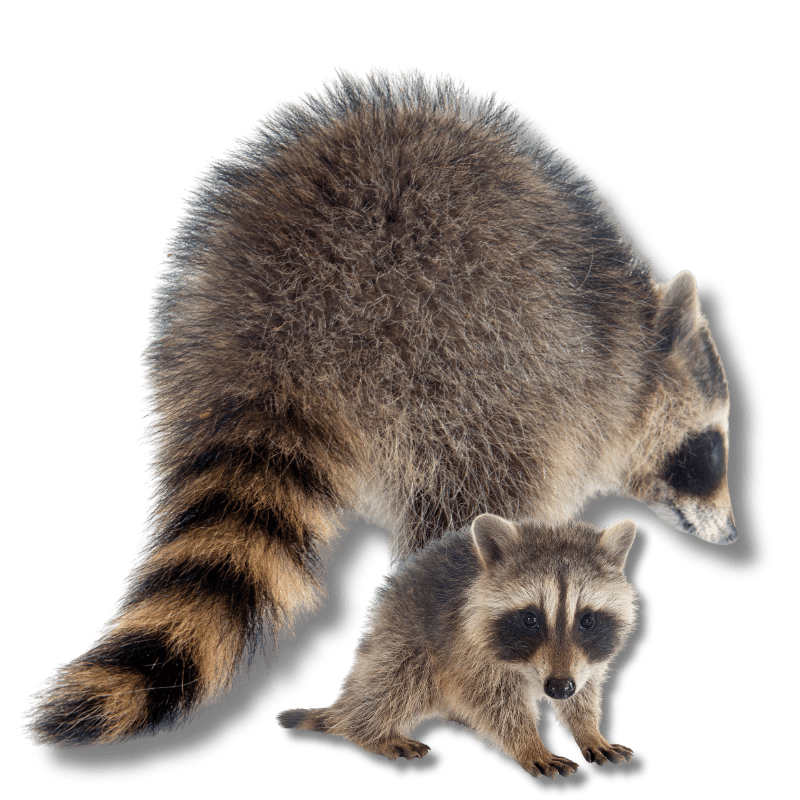
Raccoons are the most common attic intruder in Garner. A female in late winter looks for a denning site – warm, dry, and safe from predators.
She’ll tear open a ridge vent or push through a weakened soffit to get inside. Once she has a litter, you’re not dealing with one animal.
Raccoons are a primary rabies vector in North Carolina – the CDC classifies raccoons among the top rabies vector species in the eastern United States.
First H2 (required): “Our [LOCATION] Animal Removal Services”
10-12 sentences, 170-200 words. Contains three H3 subheadings:
Who We Are
– 3-4 sentences, non-hero credentials only
What We Do
– 3-4 sentences, the services (main focus)
Where We Do It
– 3-4 sentences, service area with wildlife pressure context
Then one section per service (10-12 sentences each, 170-200 words each):
[H2 using varied pattern] – Bat Removal
[H2 using varied pattern] – Flying Squirrel Removal
[H2 using varied pattern] – Squirrel Removal
[H2 using varied pattern] – Raccoon Removal
[H2 using varied pattern] – Rodent Removal (Rats & Mice)
[H2 using varied pattern] – Snake Removal
Each species section follows the section structure template:
Opening: 2-3 sentences (the problem)
Bullets: 4-5 items (entry points, damage, health risk, removal, exclusion)
Closing: 1-2 sentences with authority link at a factual claim
Final section:
H2: “Wildlife Exclusion and Damage Repair”
H2 links to: https://trianglewildliferemoval.com/wildlife-exclusion/
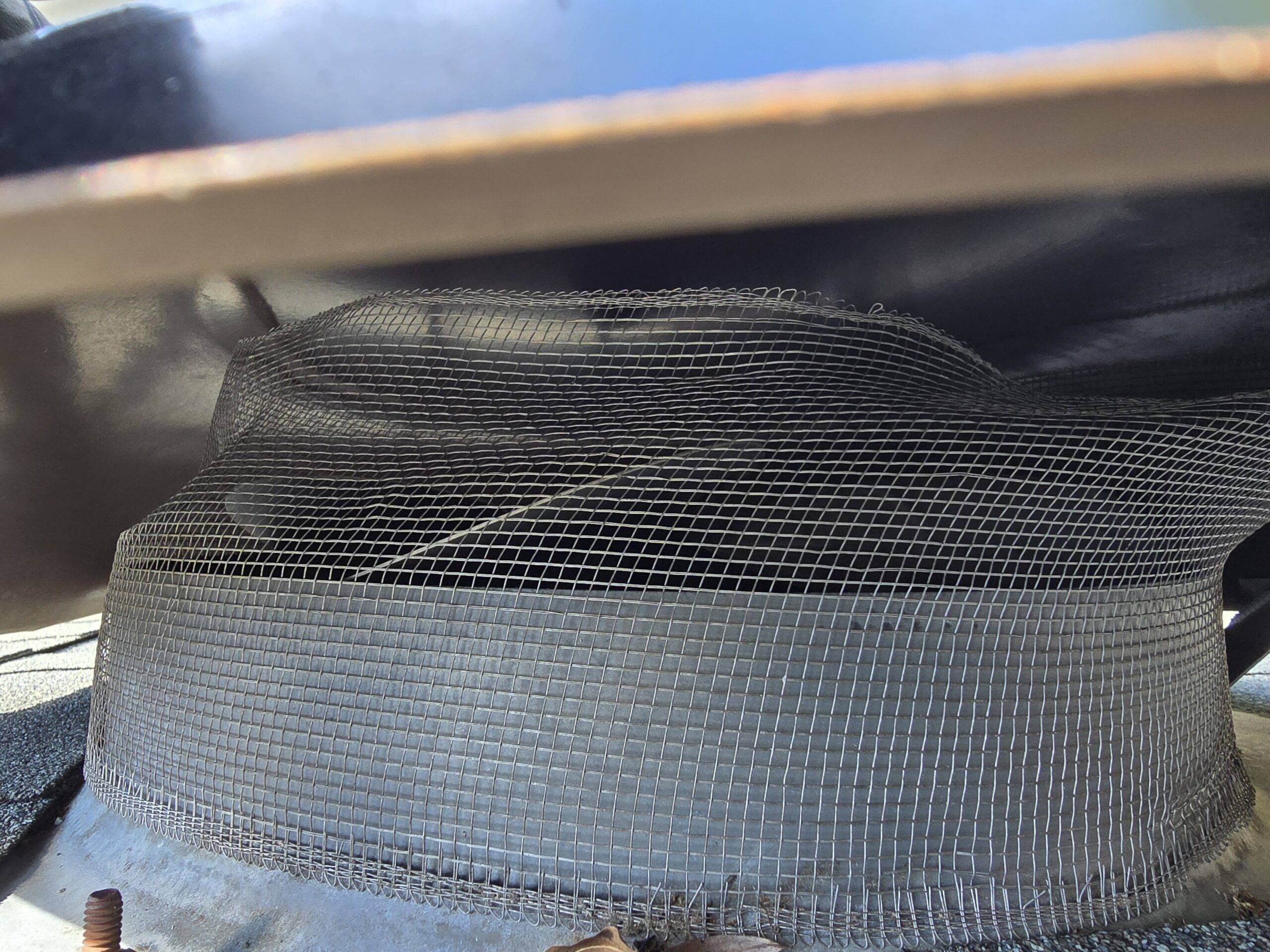
10-12 sentences, 170-200 words. Covers exclusion work (sealing entry points, barrier installation, ridge guard, chimney caps, vent screening) and structural repair (fascia, soffits, roofing, insulation, guano cleanup). Does not introduce additional species. Does not serve as a CTA or closing summary.
Format:
Wildlife Exclusion and Damage Repair
—
IMAGES
Place one image per service section, immediately below the H2 and before the body text. Use the exact src, dimensions, and style shown. Alt text uses a different pattern from the H2 visible text (see H2 HEADER AND ALT TEXT VARIATION rules).
Bat Removal section:
Flying Squirrel Removal section:
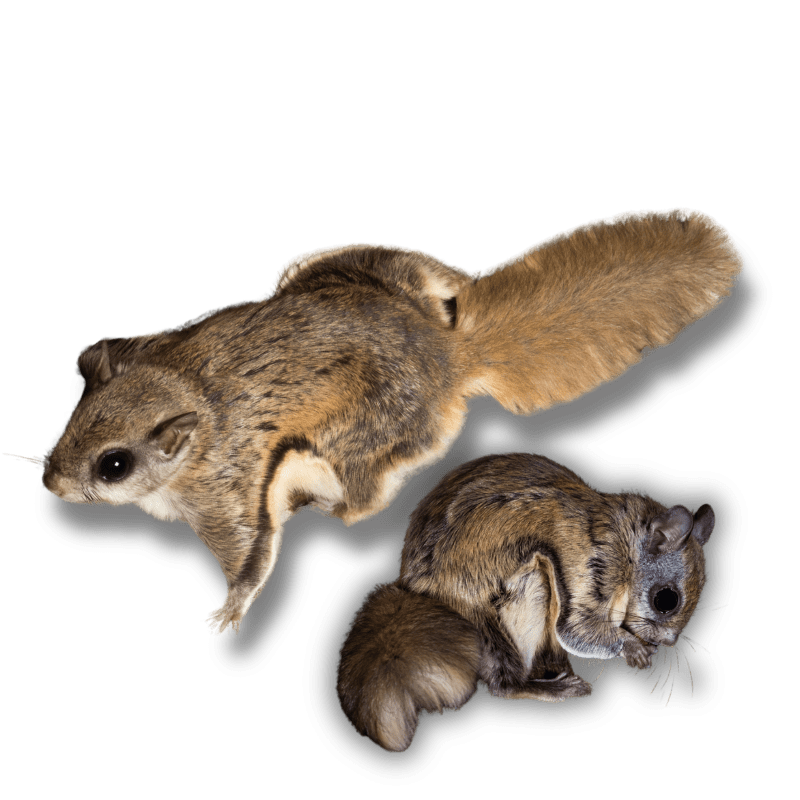
![[Alt text - different pattern from H2]](https://trianglewildliferemoval.com/wp-content/uploads/2026/03/Triangle-Wildlife-Removal-Flying-Squirrel-Removal-and-Exclusion.png)
Squirrel Removal section:
![[Alt text - different pattern from H2]](https://trianglewildliferemoval.com/wp-content/uploads/2026/03/Triangle-Wildlife-Removal-Squirrel-Removal-and-Exclusion.png)
Raccoon Removal section:
Rodent Removal section:
![[Alt text - different pattern from H2]](https://trianglewildliferemoval.com/wp-content/uploads/2026/03/Triangle-Wildlife-Removal-Rodent-Control-Rat-Trapping-and-Mouse-Removal.png)
Snake Removal section:
![[Alt text - different pattern from H2]](https://trianglewildliferemoval.com/wp-content/uploads/2026/03/Triangle-Wildlife-Removal-Snake-Trapping-and-Removal.png)
Wildlife Exclusion and Damage Repair section:
![[Location], North Carolina Wildlife Exclusion](https://trianglewildliferemoval.com/wp-content/uploads/2026/03/XclusionPro-XL-Animal-Proof-Cap.jpg)
—
REQUIRED TERMS
Each must appear at least once:
wildlife removal, animal removal, pest control, wildlife control, wildlife problem, pest, squirrel, removal services, bat, raccoon, wild animal, [LOCATION] wildlife removal, wildlife removal services, [LOCATION] NC, attic, humane, remove wildlife, bat removal, critter, rat, exclusion, nuisance, carolina wildlife, rodent, [LOCATION] raccoon removal, [LOCATION] bat removal, [LOCATION] squirrel removal, [LOCATION] flying squirrel removal, animal damage repair, bat exclusion, nest, vent, north carolina wildlife, snake removal, humane wildlife, [COUNTY], control company, opossum, humanely, licensed and insured, inspect, homeowner, remove the animals
—
PAGE STRUCTURE
Our [LOCATION] Animal Removal Services > [Varied H2] Bat Removal > [Varied H2] Flying Squirrel Removal > [Varied H2] Squirrel Removal > [Varied H2] Raccoon Removal > [Varied H2] Rodent Removal (Rats & Mice) > [Varied H2] Snake Removal > Wildlife Exclusion and Damage Repair
—
FORMATTING
Clean HTML with embedded CSS. No Tailwind, no unnecessary classes.
No H1 on this page – the H1 lives in the hero block handled by the page template.
All H2 headings must be title case.
No fabricated statistics, quotes, neighborhood names, or distances.
Every business claim sourced from the credentials block in this prompt only.
Do not write any closing contact block, address, phone number, hours, CTA paragraph, or schedule link at the end of the page. The page template already contains this. The content ends after the Wildlife Exclusion and Damage Repair section. Do not write any variation of a CTA block. Do not add any paragraph, list, or block of any kind after the closing
Brand is “Triangle Wildlife Removal & Pest Control, Inc.” in overview; “Triangle Wildlife Removal” acceptable elsewhere
BBB described as “A+ rating” only – never “BBB Accredited”
No content of any kind appears after the closing
Our Wildlife Removal Services
Triangle Wildlife Removal handles every step from inspection through removal, exclusion, damage repair, and attic restoration. Below are the most common wildlife problems we solve in Raleigh homes.
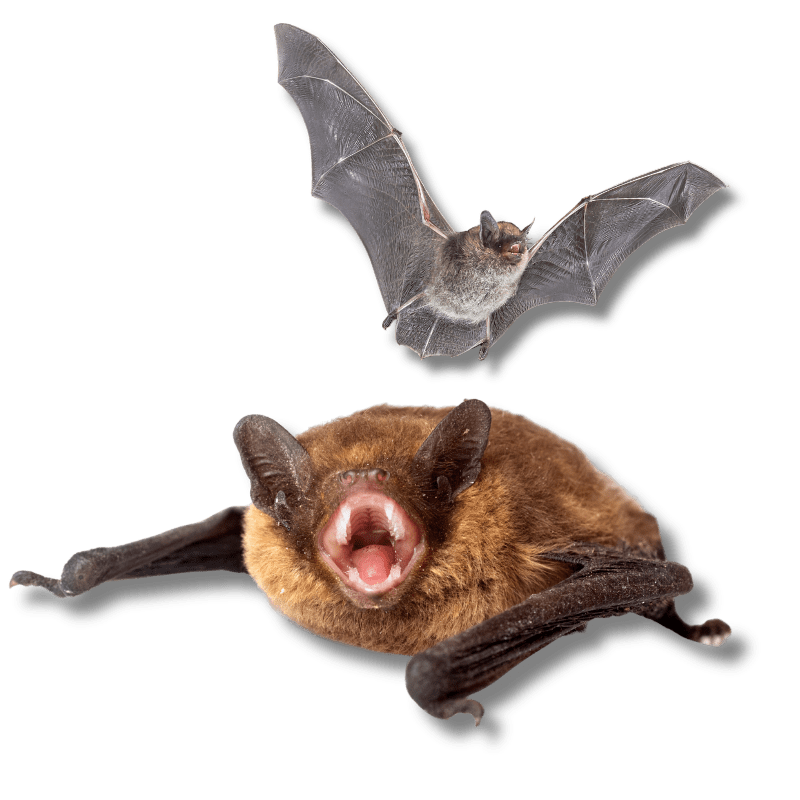
Bat Removal
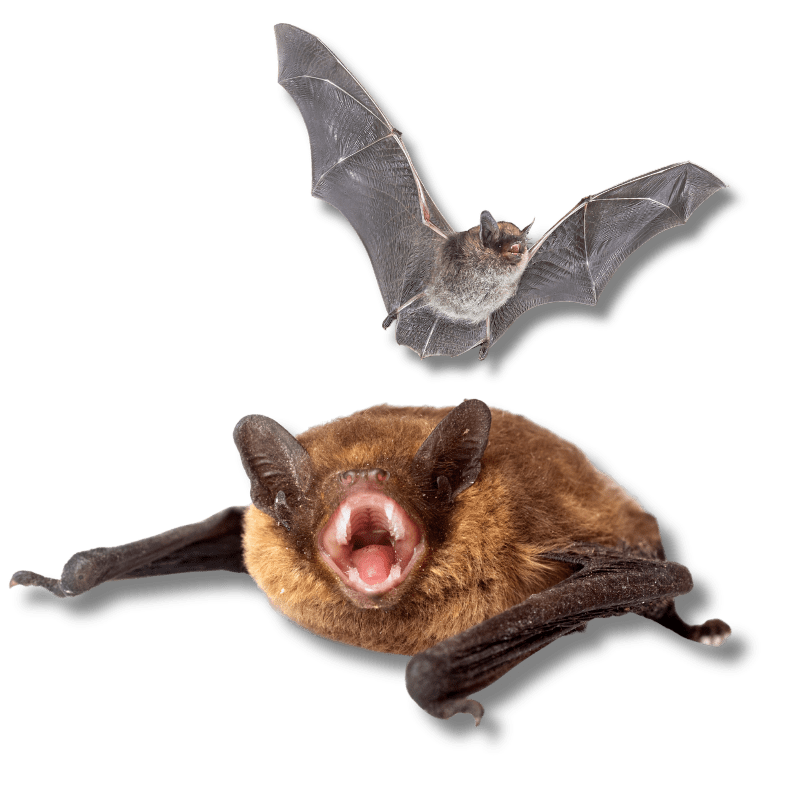
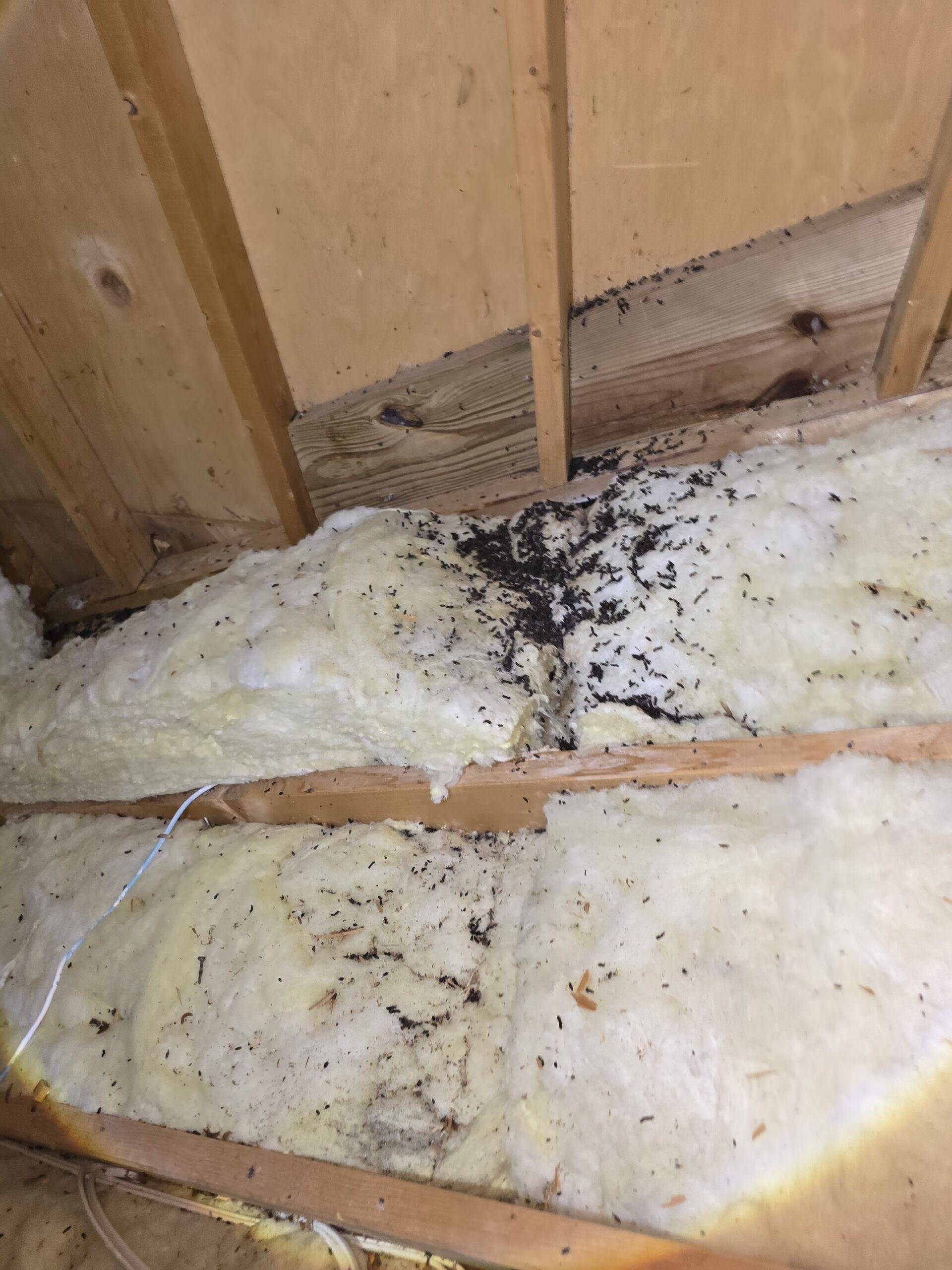
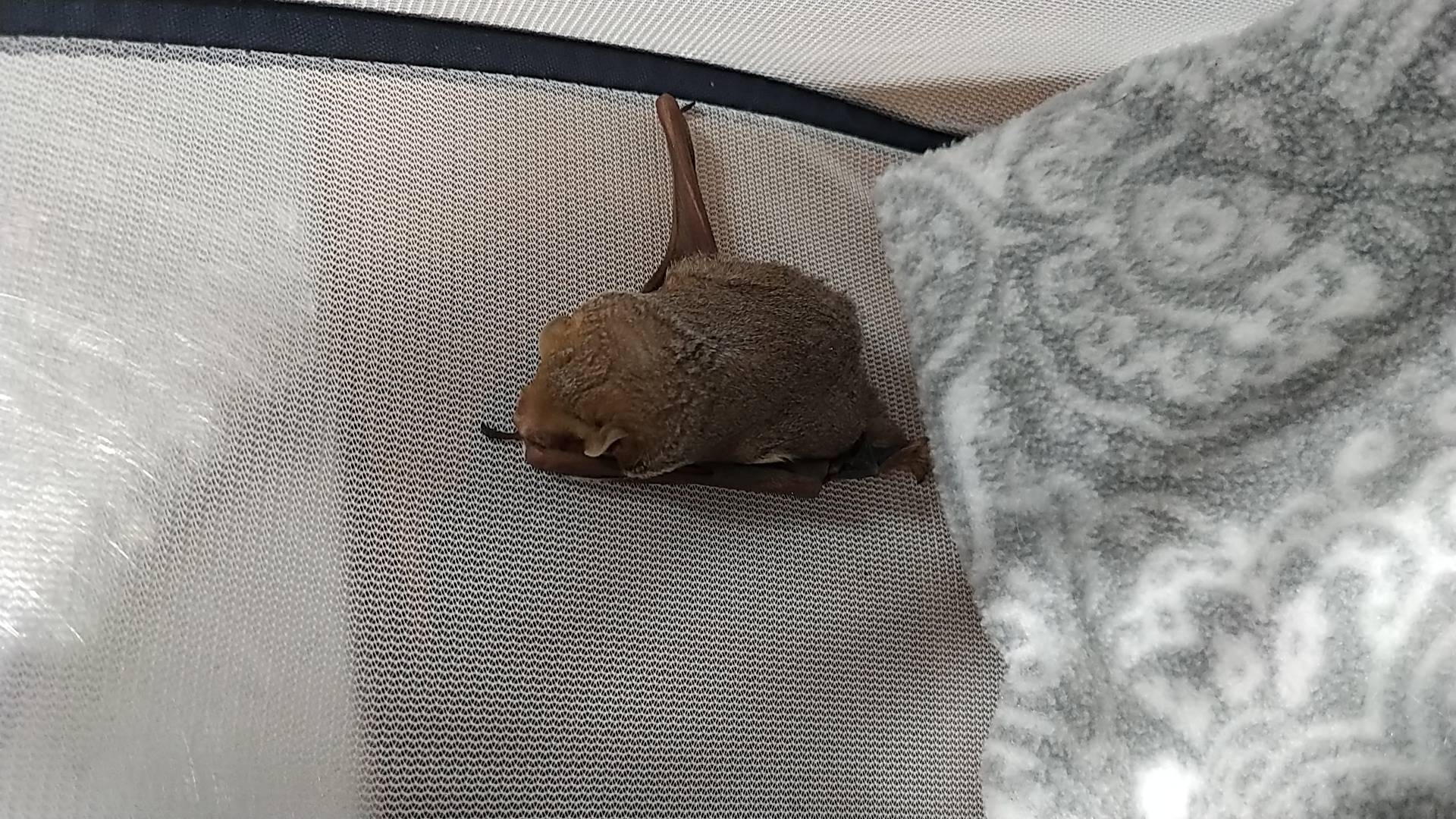
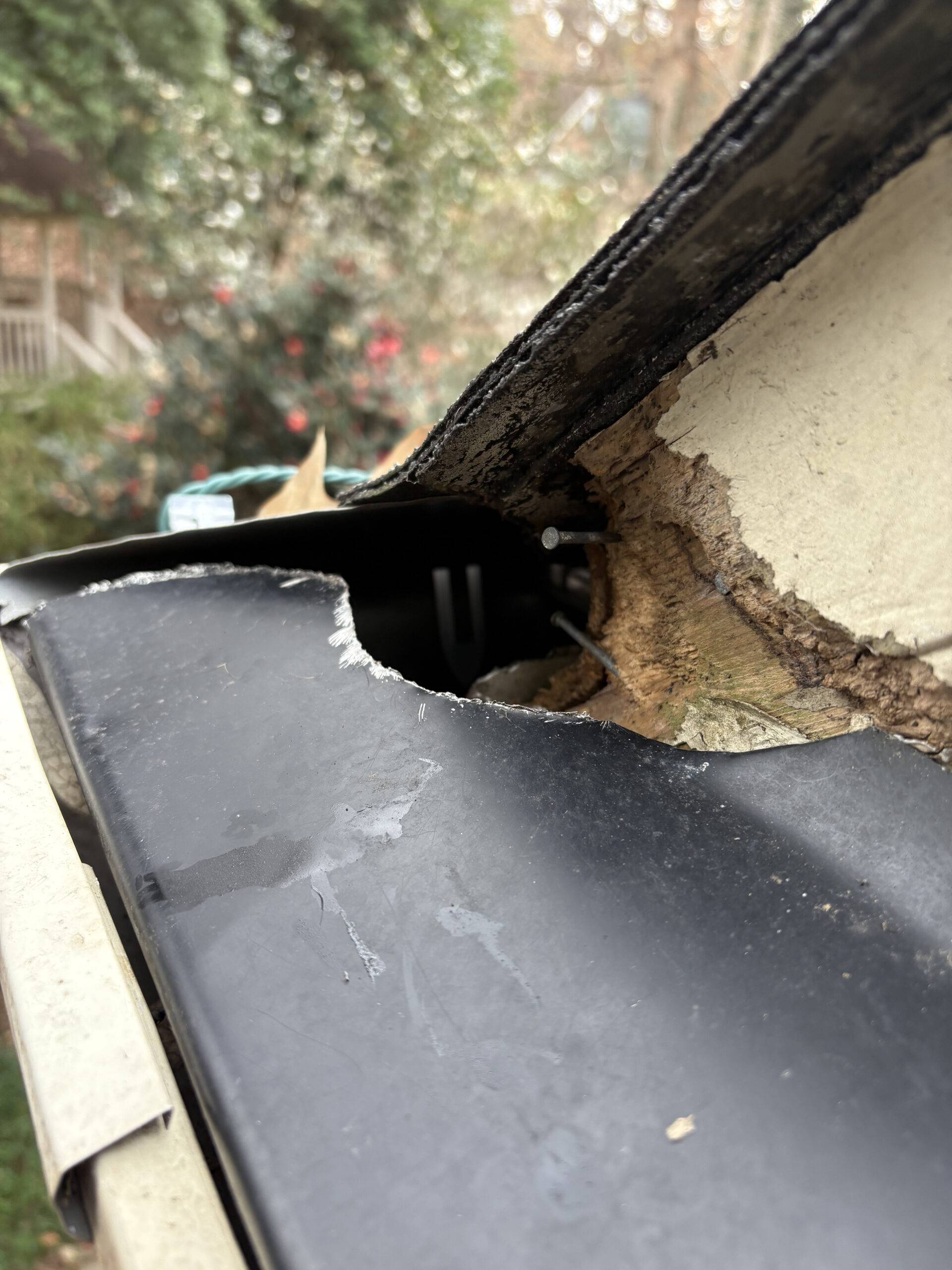
Bats in your attic create health hazards from guano buildup and carry rabies risk. We perform full exclusion using one-way doors during the legal window of August through April, then seal every entry point on the structure.
Flying Squirrel Removal
Flying squirrels enter attics through gaps as small as a quarter and are most active at night during cold months. We trap, remove, and seal every construction gap at the roofline to keep them out permanently.
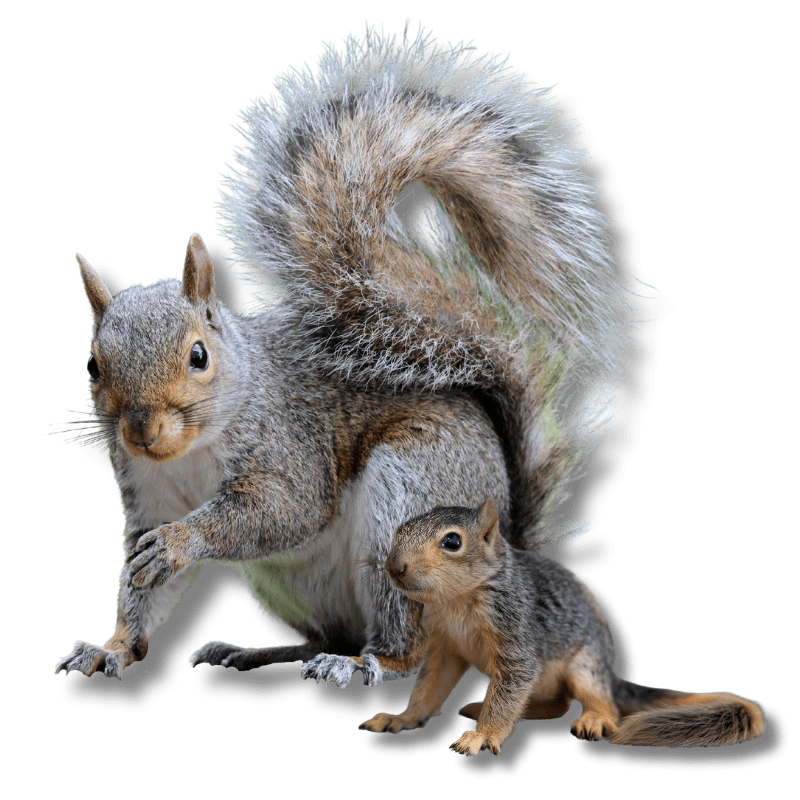
Squirrel Removal
Gray squirrels chew through fascia, soffits, and wiring to nest in attics, creating fire hazards and structural damage. We remove active squirrels with live traps and exclude them by sealing every entry point on the structure.
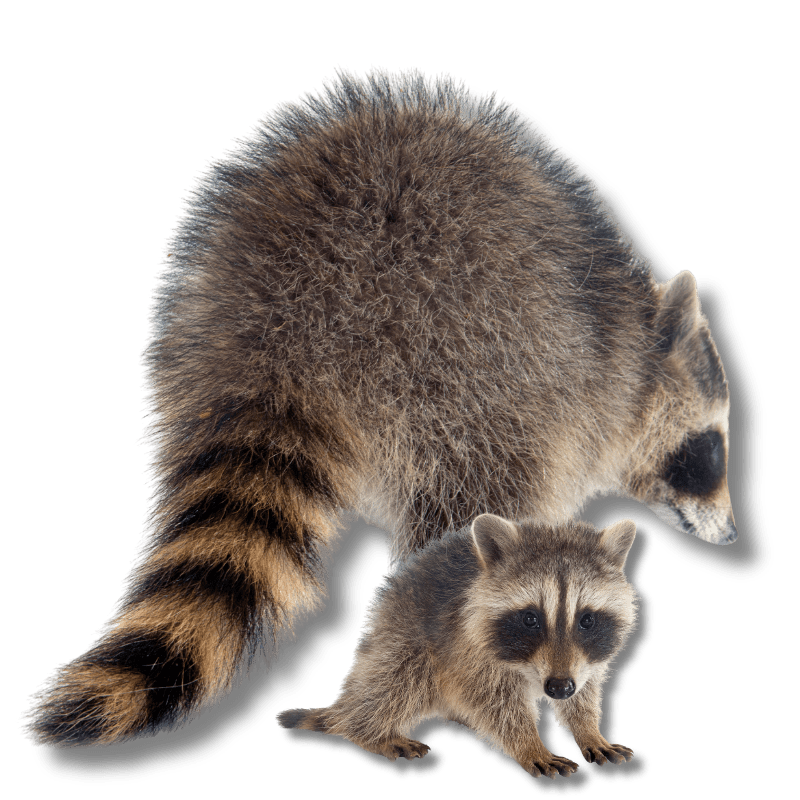
Raccoon Removal
Raccoons tear open soffits, rip through roof decking, and contaminate attic insulation with feces carrying raccoon roundworm. We trap and remove raccoons humanely, repair the damage they caused, and seal the structure to prevent re-entry.
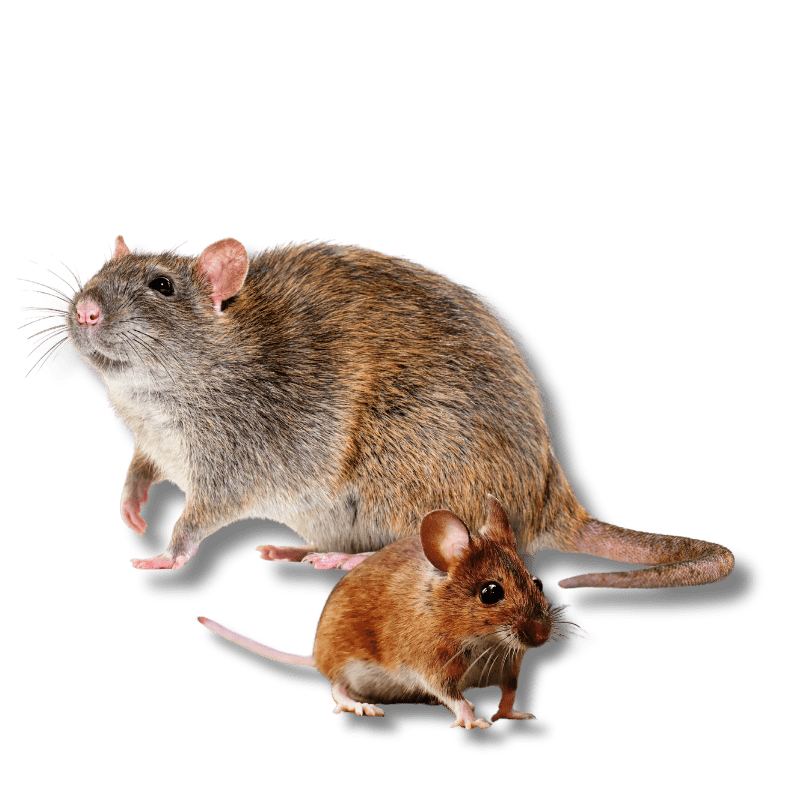
Rodent Control
Rats and mice enter through pipe chases, A/C line penetrations, and foundation vents, contaminating insulation and chewing wiring. We trap and remove active rodents inside the structure and seal every exterior entry point to stop the cycle.
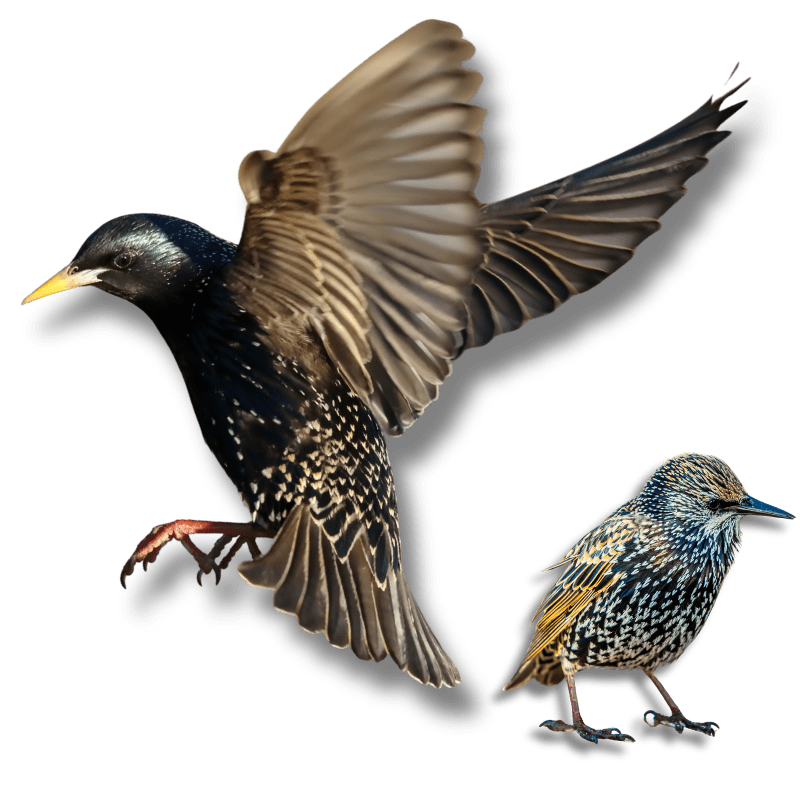
Bird Control
European starlings and house sparrows nest inside exhaust vents, dryer vents, and attic spaces, blocking airflow and creating fire hazards. We remove nesting material, install bird-proof vent covers, and clean contaminated ductwork.
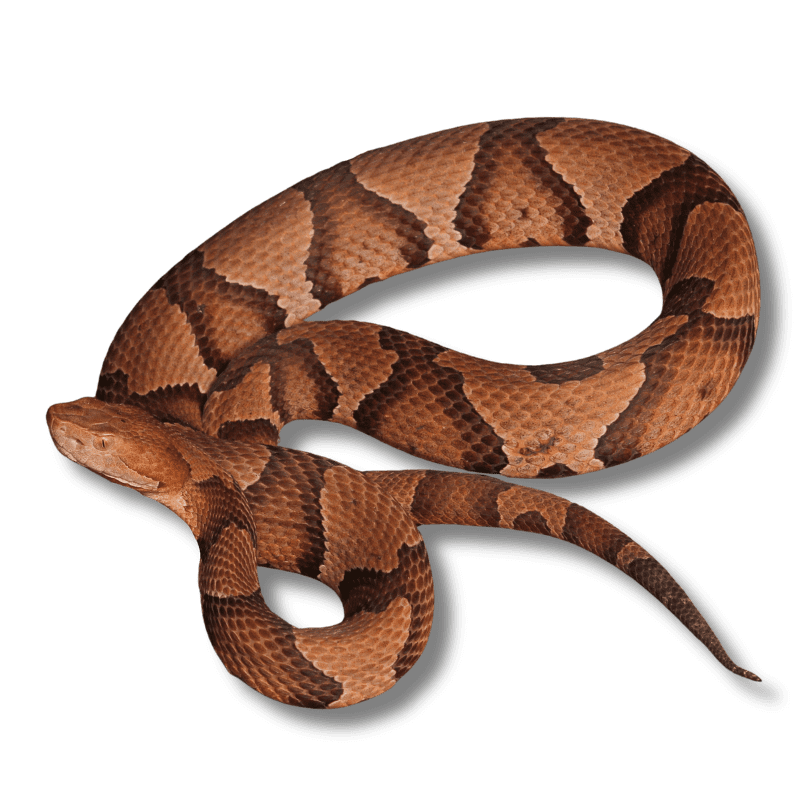
Snake Removal
Snakes enter crawlspaces, garages, and basements through foundation gaps and pipe penetrations. We safely remove the snake, identify the species, and seal entry points to keep them from coming back.
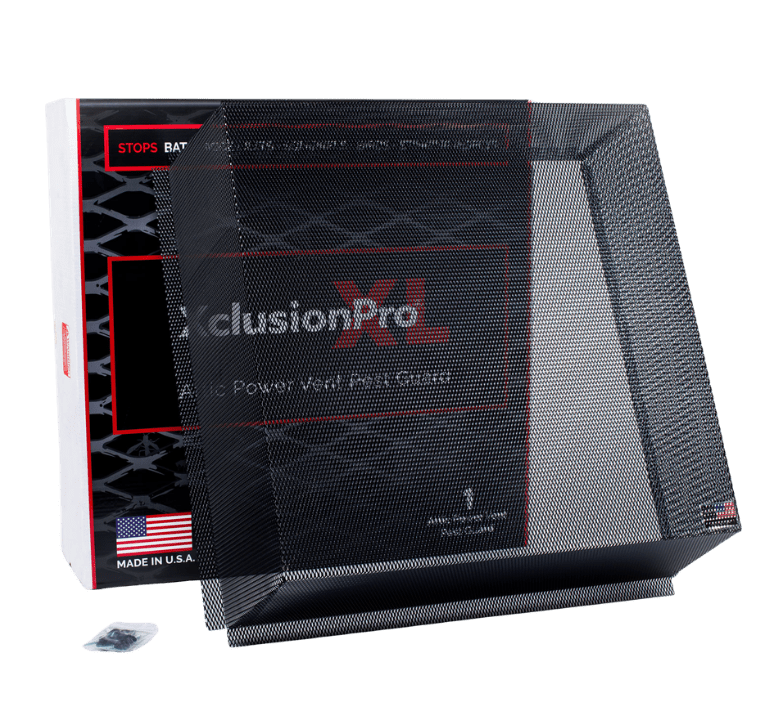
Wildlife Exclusion
Wildlife exclusion seals every vulnerable opening on your home to prevent animals from getting in. We inspect the full structure, identify active entries and potential weak points, and install commercial-grade barriers backed by a limited lifetime warranty.
Why Homeowners Choose Triangle Wildlife Removal
Wildlife removal is what we've done every day for over three decades. Tad Bassett founded this company in 1990 and has been running it full-time since January 1996. He still answers the phone himself. That kind of continuity is rare in this industry, and it's a big part of why customers keep calling back. In a detailed expert interview published by the Regency Park Partnership, a community resource serving over 244,000 Nextdoor neighbors across the Triangle, Tad covered everything from seasonal wildlife behavior and NC regulatory requirements to disease risks and homeowner prevention tips.
All technicians on our team are Ridge-Guard Certified, Bird Barrier Certified, and certified in advanced metal fabrication for wildlife exclusion and damage repairs. Triangle Wildlife Removal is the largest installer of Ridge-Guard on the East Coast, a distinction the company has held for approximately five years. Every exclusion job is backed by a limited lifetime warranty - if animals get back through a sealed entry point, we come back to address it at no charge.
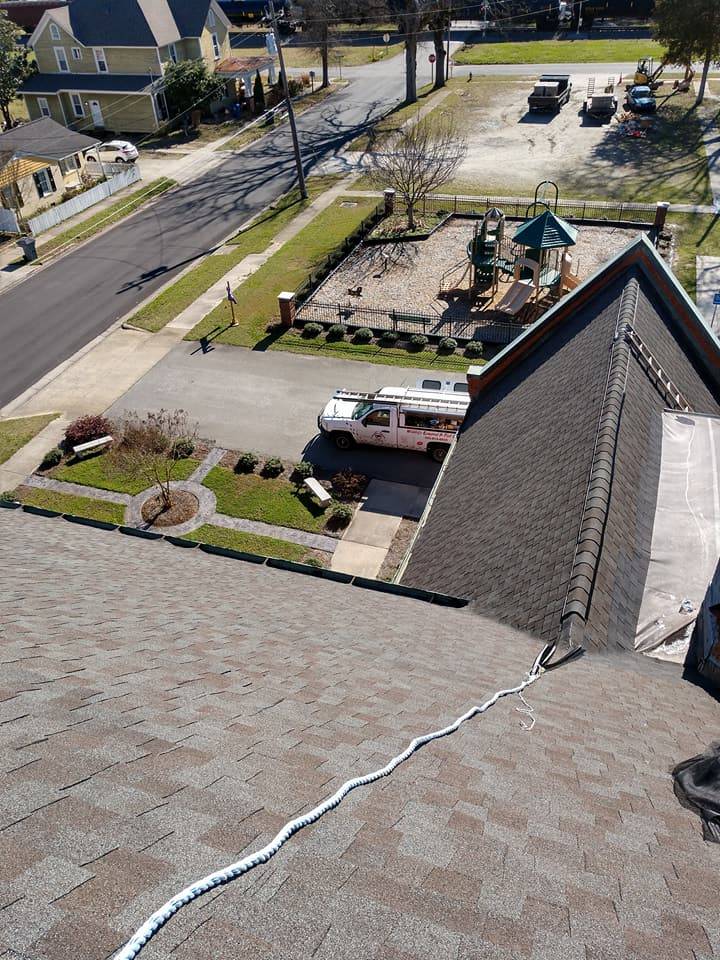
Our Local Service Page Prompt Service Areas
We service the entire Triangle area of North Carolina
Our Industry Credentials
Triangle Wildlife Removal operates under NC Wildlife Control Agent Permit #DCA25000312, verifiable through the NC Wildlife Resources Commission WCA directory, and NC Pest Control License #1778 PW, verifiable through the NC Department of Agriculture license search. The company is an active member of the National Wildlife Control Operators Association and holds NWCOA Bat Standards Certification, the wildlife control industry's professional standard for bat exclusion work. All technicians are Ridge-Guard Certified Installers and Bird Barrier Certified, with additional certification in advanced metal fabrication for wildlife exclusion and structural damage repairs.
Homeowners can read field-level reviews of our Raleigh wildlife removal work on Yelp. Every employee passes a background check before hiring, with annual criminal and sexual predator screenings standard across the company.


Customer Testimonials


John T.
Vickie B.
Stephanie B


Triangle Wildlife Removal received an average rating of 4.7 out of 5 stars

based on 199+ reviews.
Ready For FastSafeEfficent Bat Control?
You do not have to live with bats in your attic or home. Triangle Wildlife Removal offers same-day and 24/7 emergency service across the Triangle with a limited lifetime warranty on all exclusion work.
4.8 stars across 400+ reviews | NWCOA Bat Standards Certified | Guaranteed Wildlife Exclusion